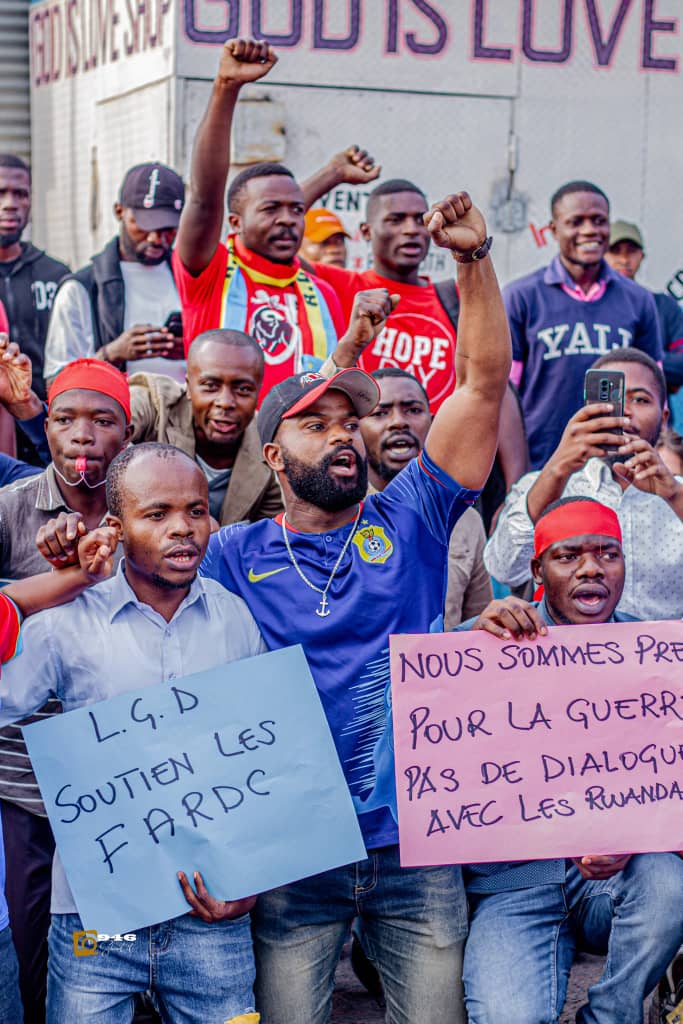
Bukavu, DRC – Details have emerged about David Radjabu Djuma, the man who issued a video threat warning of bloodshed ahead of Thursday’s terror attack in Bukavu, which left 11 dead and 65 injured. Djuma, a staunch supporter of President Félix Tshisekedi, has long been known for his hate-filled rhetoric against Rwandophones in Kivu and now finds himself at the center of accusations linking the Kinshasa regime to the attack.
Djuma’s video, which circulated widely before the bombing, explicitly threatened those attending Corneille Nangaa’s AFC/M23 meeting in Bukavu, vowing to “worsen” their fate. His warning materialized just hours later when bombs struck Place du 24, targeting civilians.
Government Ties Exposed
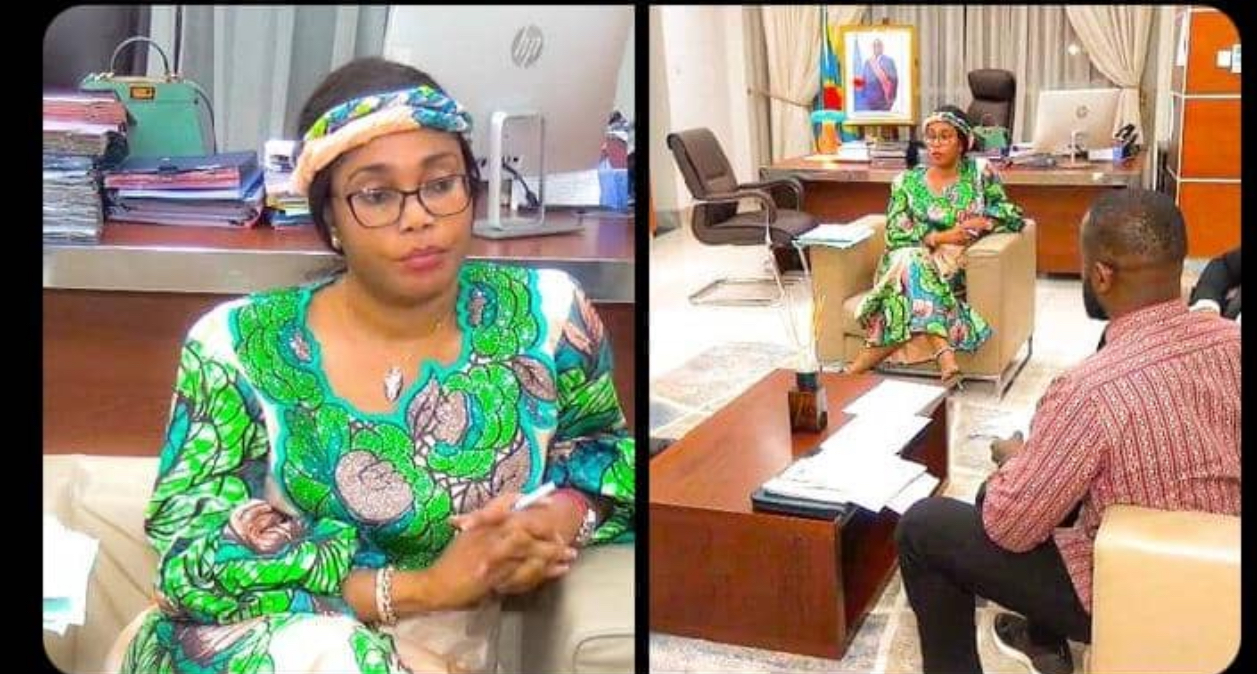
Beyond his inflammatory speeches, Djuma has direct links to Kinshasa’s ruling establishment. On August 22, 2024, he was officially received by the Minister of Land Affairs in Kinshasa, a meeting that was even publicly acknowledged in a government tweet. His close association with Tshisekedi’s inner circle raises serious questions about the Congolese government’s role in orchestrating the attack.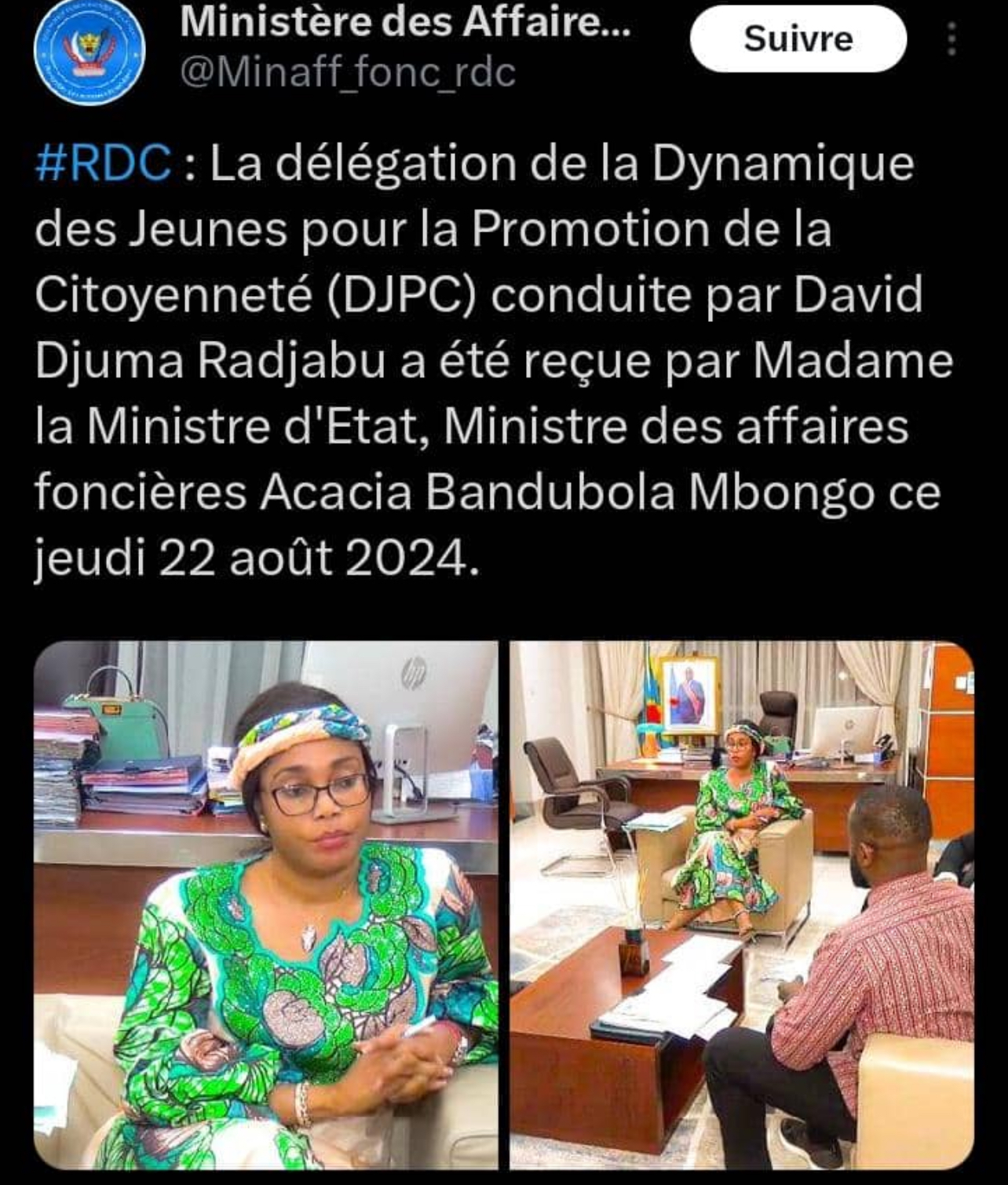
Djuma is infamous for his violent rhetoric against Rwandophones in Kivu, repeatedly referring to them as “Rwandan Tutsis who must be killed.” His open incitement of ethnic violence, coupled with his direct involvement with government officials, makes his role in the Bukavu bombing a damning indictment of Tshisekedi’s administration.
Kinshasa’s Bloody Track Record
The Bukavu attack is just the latest in a series of brutal assaults targeting civilians in eastern DRC, with Kinshasa’s forces and allied militias systematically executing mass killings, drone strikes, and ethnic purges. The AFC/M23 has labeled the Bukavu bombing a state-sponsored terror attack, calling for international accountability.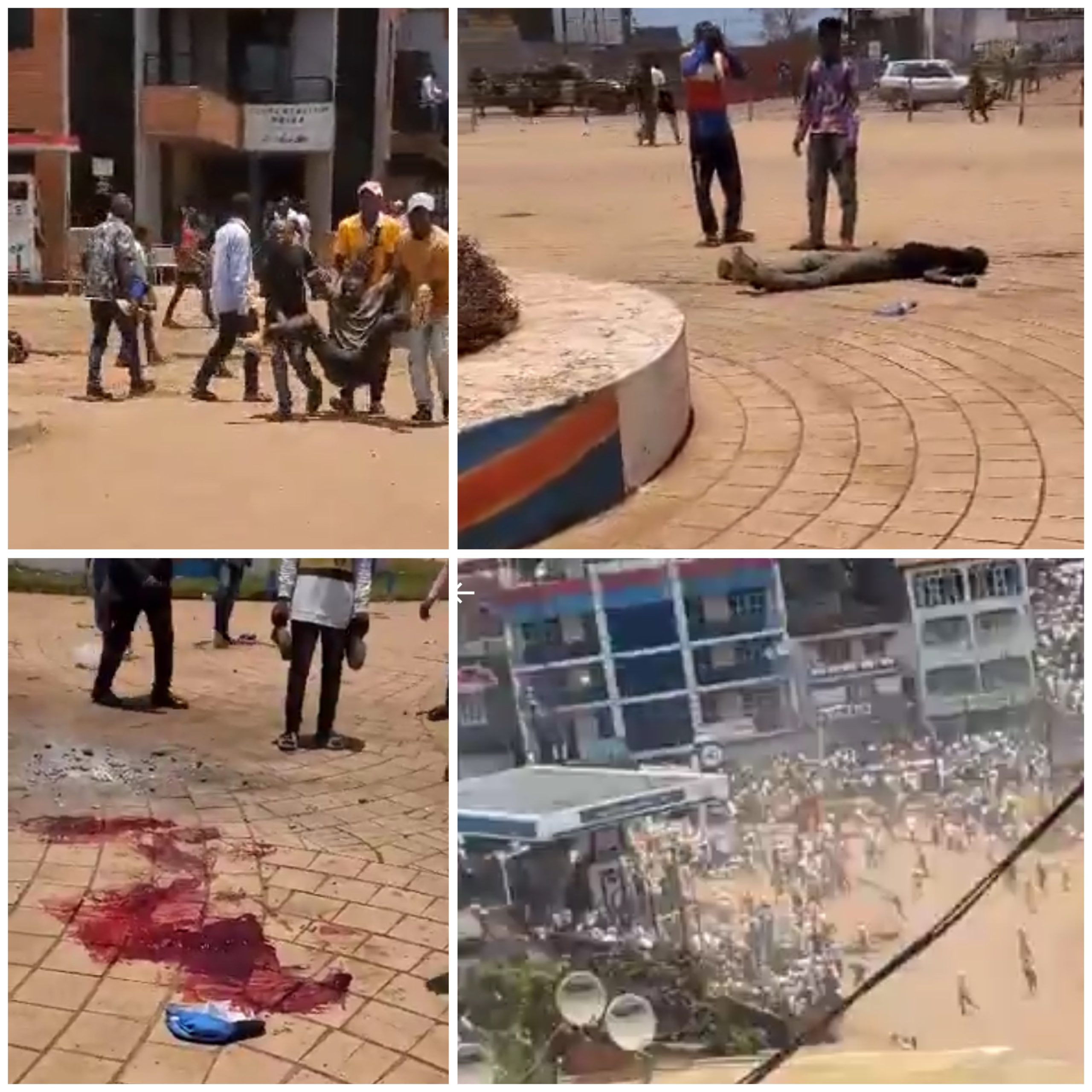
With Djuma’s involvement now exposed, pressure is mounting on the International Criminal Court (ICC) to investigate not only those who carried out the attack but also the officials in Kinshasa who enabled it. Given that the ICC Prosecutor General recently visited Tshisekedi in Kinshasa, observers are now asking: Will the court hold the Congolese leadership accountable, or will it continue to turn a blind eye to their crimes?