

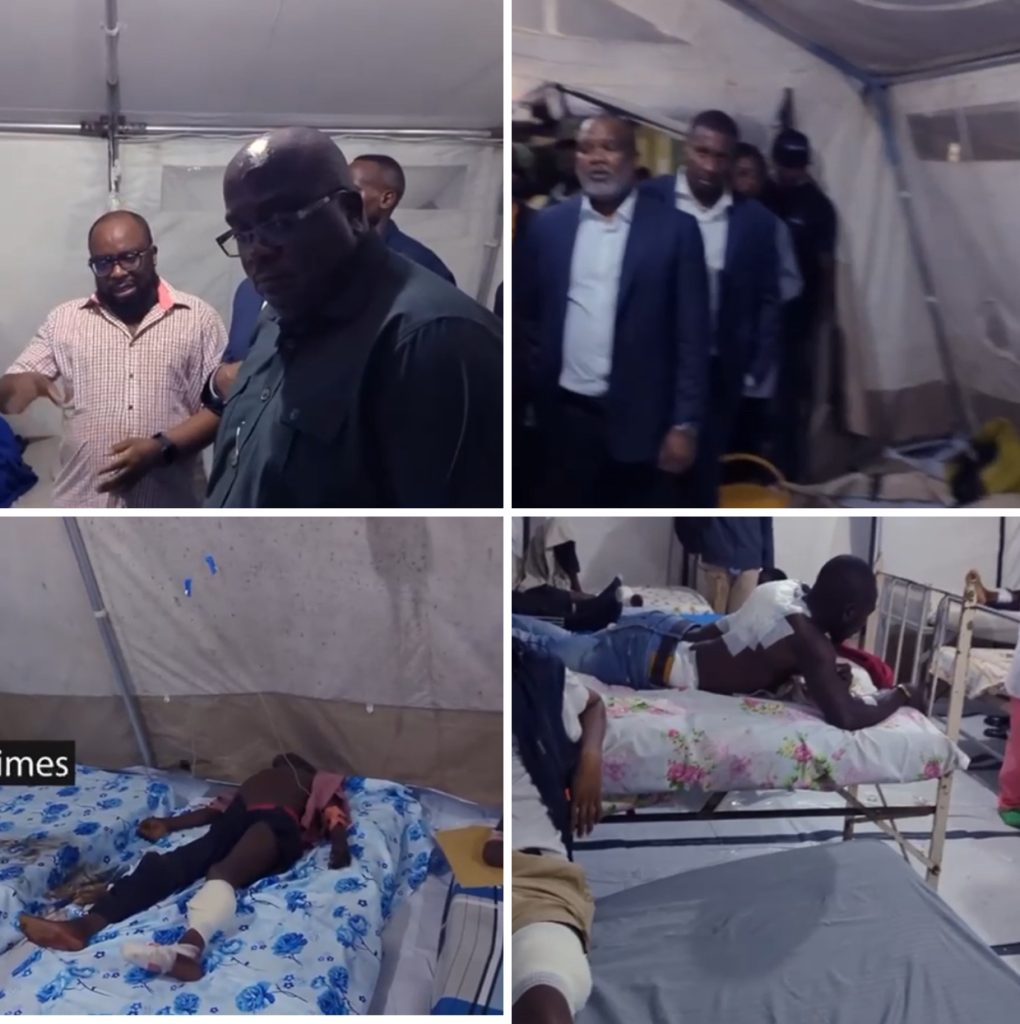
The leadership of the Congo River Alliance (AFC/M23), led by Coordinator Corneille Nangaa and his deputies Bertrand Bisimwa and Freddy Kaniki, visited victims of the deadly terrorist attacks that struck Bukavu on Thursday. The coordinated explosive attacks claimed 13 lives and left 72 others injured, marking a new wave of violence in the conflict-ridden South Kivu province.
According to AFC/M23 officials, the attacks were carried out by operatives loyal to President Félix Tshisekedi, targeting civilians as retaliation for their support of the AFC/M23 movement. The assailants allegedly deployed grenade-type explosives in public areas, indiscriminately harming defenseless residents.
During their visit to Bukavu General Hospital, the AFC/M23 leaders met with the wounded and their families, offering words of comfort and solidarity. Victims, many visibly shaken, shared harrowing accounts of the unprovoked attacks.
Corneille Nangaa strongly condemned the violence, calling it a cruel and calculated assault on civilians.
“This barbaric act by Tshisekedi’s regime against defenseless populations is unacceptable,” Nangaa stated. “We stand with our people, and we will ensure justice is served.”
As a gesture of support, Nangaa announced that AFC/M23 will cover the medical expenses of all those injured in the attacks.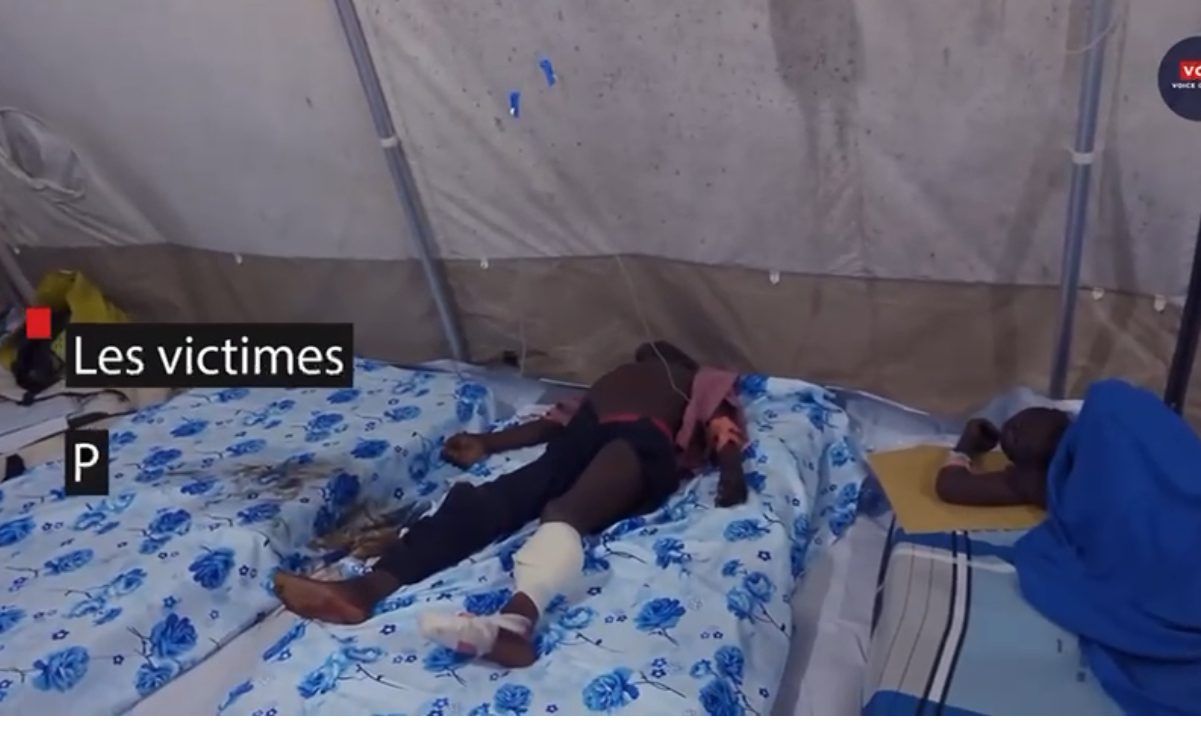
Following their hospital visit, Nangaa, Bisimwa, and Kaniki held consultations with local leaders and community members to discuss the deteriorating security situation in South Kivu.
The escalating violence comes amid heightened tensions in eastern DRC, where the AFC/M23 coalition continues to challenge Kinshasa’s authority. Thursday’s attack underscores the growing humanitarian crisis, with civilians bearing the brunt of the power struggle between Tshisekedi’s government and armed opposition forces.
With Bukavu still reeling from the deadly explosions, AFC/M23 has vowed to respond decisively to what they describe as a campaign of terror by Tshisekedi’s forces. Meanwhile, fears are mounting that the situation could further escalate, drawing greater regional and international attention to the unfolding crisis in eastern Congo.