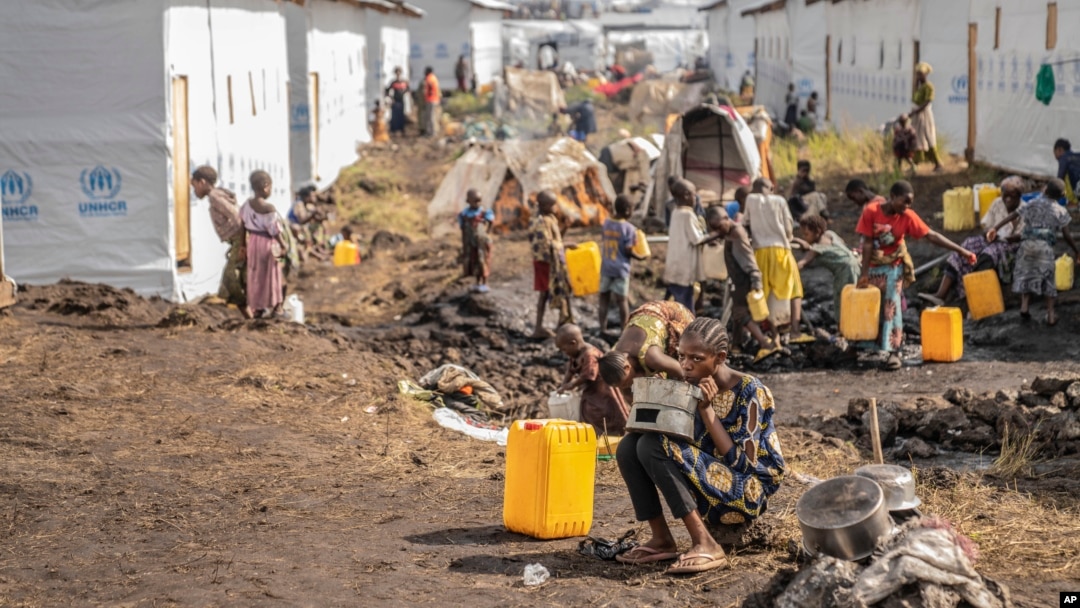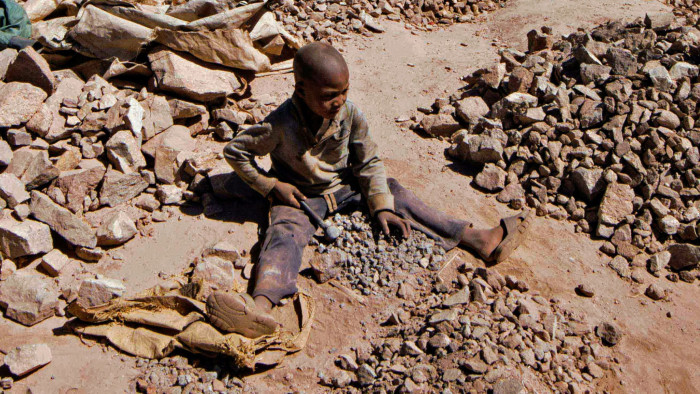
In Canada, retirees enjoy financial security, never questioning where their pension money comes from. They live in cities with well-paved roads, clean water, modern hospitals, and world-class schools. Meanwhile, in the Democratic Republic of Congo (DRC)—a country whose resources fuel Canada’s wealth—millions live without these basic necessities. There are no proper schools for children, no hospitals for the sick, and no clean water to drink. Roads are mere dirt paths, and electricity remains a luxury. Yet, Canada—after making billions from DRC’s minerals—has the loudest voice on the global stage, hypocritically pointing fingers at Rwanda while ignoring its own dirty hands.
Behind this wealth gap lies a harsh reality: Canada is the biggest modern-day exploiter of the DRC. Over a dozen Canadian mining companies, collectively valued at more than US$200 billion, dominate the Congolese mining sector, surpassing even Belgium’s infamous reign under King Leopold II, where millions were killed for rubber and ivory. Canada’s resource grab today is just as ruthless—only now, it hides behind polished investment reports and stock market listings.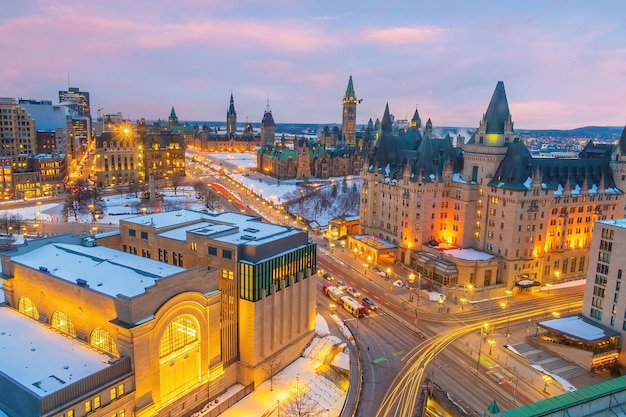
The Billion-Dollar Pipeline: From Congo to Canada
Few Canadians realize their pensions are linked to this exploitation. Major Canadian pension funds—including the Canada Pension Plan Investment Board (CPPIB), Ontario Teachers’ Pension Plan (OTPP), Caisse de dépôt et placement du Québec (CDPQ), and Public Sector Pension Investment Board (PSPIB)—have poured over US$1 billion into mining operations in the DRC. The money trail is clear:
• CPPIB holds US$500 million in Congolese mining investments.
• OTPP has US$300 million tied to mining assets.
• CDPQ manages US$250 million in DRC-linked mining and infrastructure.
• PSPIB has US$150 million invested in smaller mining firms.
• Global players like BlackRock and Vanguard control US$1-2 billion in mining firms operating in the DRC, indirectly benefiting Canadian pensioners.
Meanwhile, Canada’s mining giants—Barrick Gold, Ivanhoe Mines, Lundin Mining, Alphamin Resources, and others—continue to extract billions from Congo. Most of these companies are publicly traded, their stocks listed on major stock exchanges, where investors profit from the misery of Congolese communities.
 How Pension Contributions Fuel Exploitation
The system works like a well-oiled machine:
1. Canadian workers pay into pension funds, expecting comfortable retirements.
2. Pension fund managers invest heavily in mining companies operating in the DRC.
3. These companies secure mining concessions through deals with corrupt Congolese officials.
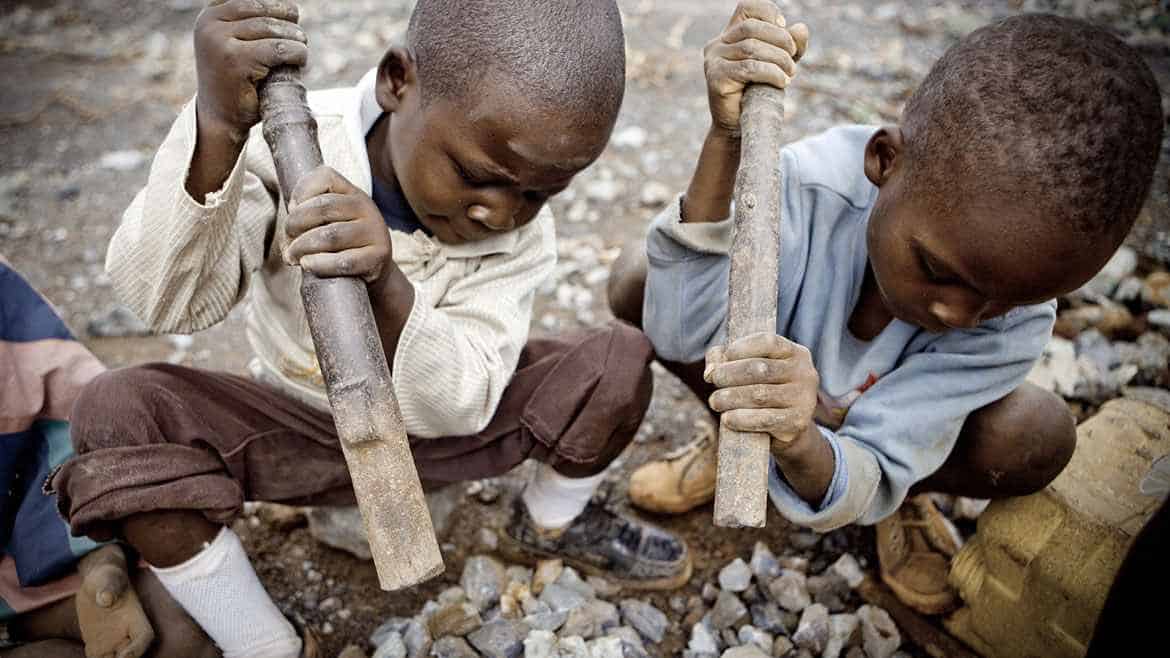
4. Minerals—cobalt, copper, gold, lithium—are extracted under brutal conditions, often involving child labor, land grabs, and environmental destruction.
5. Profits flow back to Canada, strengthening pension funds and increasing payouts.
This cycle of exploitation creates wealth for Canadians while leaving Congolese communities in perpetual suffering.
The True Cost of Canada’s Greed
Canadian pension funds and mining companies are directly linked to:
- Displacement of entire communities—villagers are forced from their ancestral lands with little or no compensation.
- Child labor in hazardous mining pits, where children as young as six work under dangerous conditions.
Severe environmental damage—rivers poisoned by toxic mining waste, forests destroyed, and farmlands rendered useless. - Tax avoidance schemes, where Canadian firms extract billions but pay almost nothing to the Congolese government.
- Corrupt partnerships with political elites, fueling instability and keeping the region in chaos.
The result? Congo remains poor while Canada thrives on its wealth.
Canada’s Political Agenda: Protecting Profits, Not People
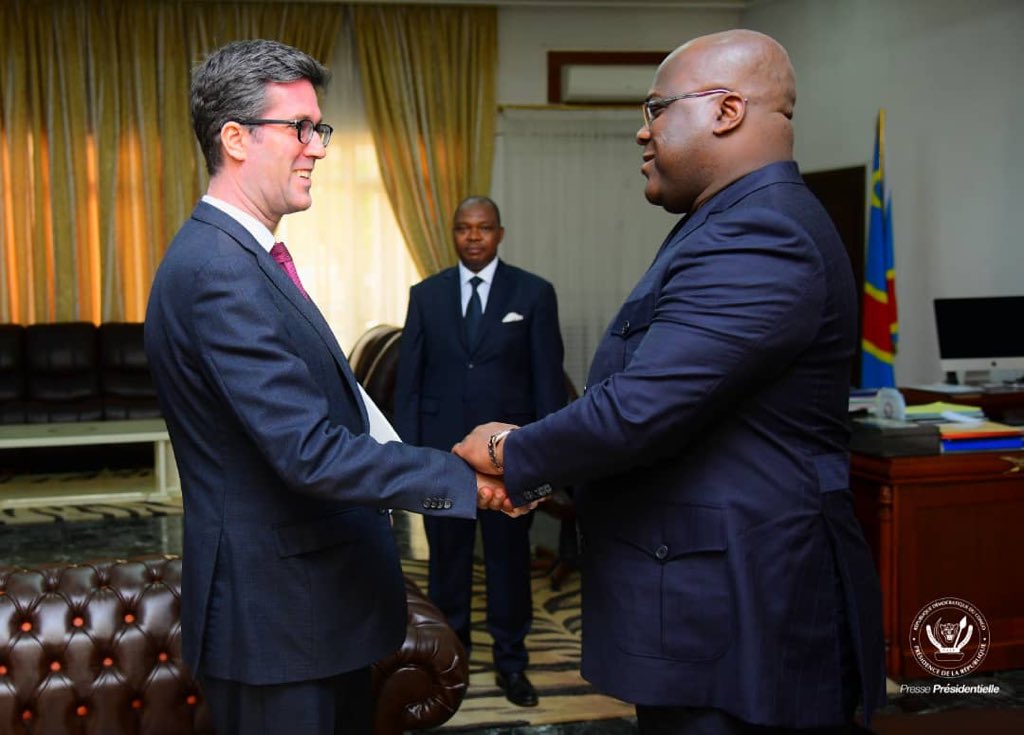 With so much money at stake, Canada will do anything to protect its economic interests in the DRC. Rather than acknowledging its role in destabilizing the region, Canada has found an easy scapegoat: Rwanda. Instead of addressing how its mining firms exploit Congo’s resources, Canada aggressively blames Rwanda for supporting M23, distracting the world from its own crimes.
At the same time, Canada continues to support the Tshisekedi regime, despite its massacres of Congolese Tutsis and Rwandophones. The Congolese government, backed by Western economic interests, has systematically persecuted these communities while diverting attention toward fabricated foreign threats. Canada remains silent on these atrocities, prioritizing its mining investments over human lives.
But this is not a new playbook. Canada has done the same to its own Aboriginal communities, to South Sudan, to West Africa, and to Latin America. Canadian politicians are like wolves in sheep’s clothing—exploitative, cunning, and willing to use any means necessary to protect their profits.
Canada’s hypocrisy is staggering: It extracts billions from Congo, leaving behind misery and suffering, while lecturing a small country like Rwanda about morality.
Canada Is Shameless
“Canada is shameless and will continue to be so,” says a Congolese refugee in Canada, who knows firsthand that his exile was caused by the same global powers that fuel conflict, loot resources, and leave destruction behind. He left his homeland not because of Rwanda, but because of the very countries now shouting the loudest about peace and stability while profiting from war and suffering.
As long as Canadian pensioners enjoy the wealth stolen from Congo, and as long as Canada continues to exploit Africa while pointing fingers elsewhere, the suffering of Congolese people will never end.