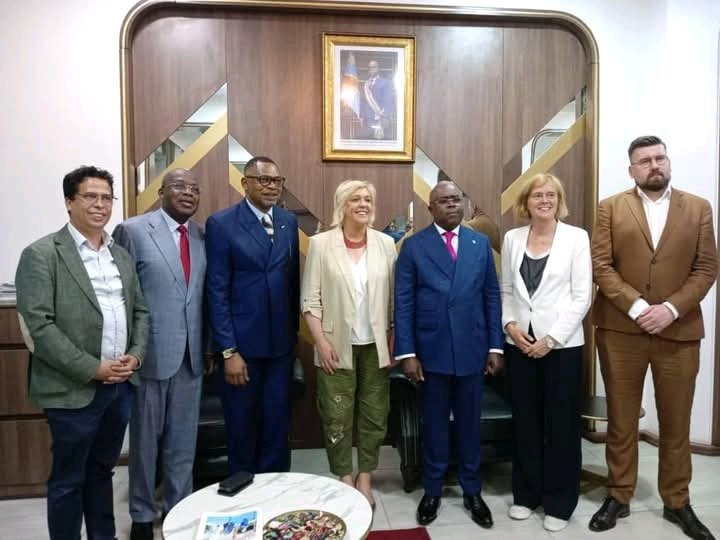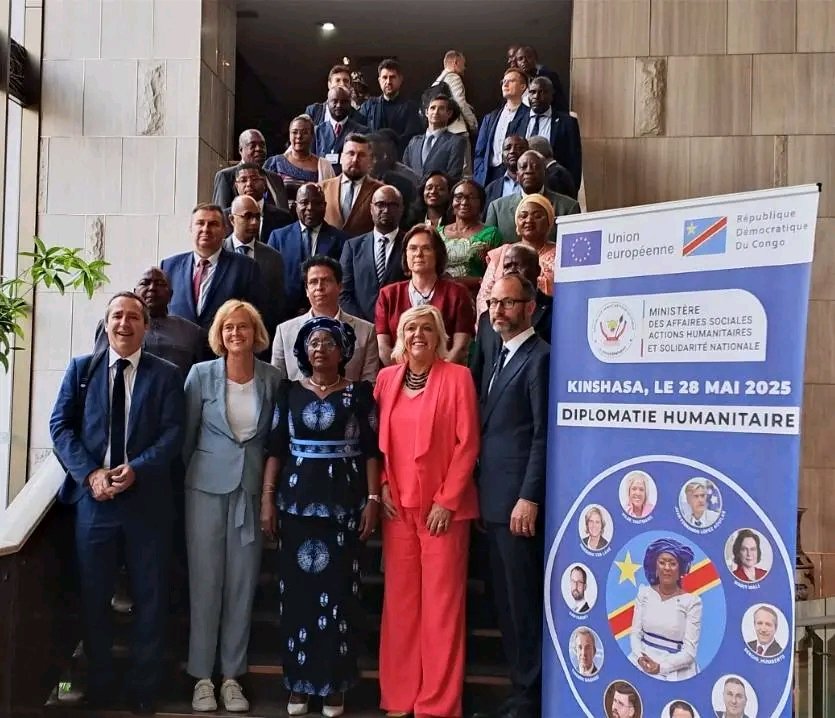
A ten-member delegation from the European Parliament, led by Belgian MEP Hilde Vautmans (Renew Europe), concluded a four-day mission to the Democratic Republic of Congo (DRC), issuing strong statements on human rights and humanitarian needs amid persistent conflict in the country’s eastern regions.
Between May 27 and 30, the delegation met with President Félix Tshisekedi, the leadership of Parliament, senior ministers, representatives of MONUSCO, civil society, and the private sector in Kinshasa.
They expressed alarm over the use of sexual violence as a weapon of war, calling for the creation of humanitarian corridors to deliver emergency aid, food, and medical supplies to affected civilians.
But observers have noted a sharp contradiction: while the EU lawmakers condemned ongoing instability, they stopped short of acknowledging the effective strides made by the M23/AFC movement in regions where government forces have struggled to maintain control for years.
In parts of North Kivu and surrounding areas, the M23 has made tangible progress in restoring peace and public order, according to local communities and independent observers.
The group has been credited with eliminating rampant criminality, curbing sexual violence, and bringing a sense of stability previously absent under FARDC control.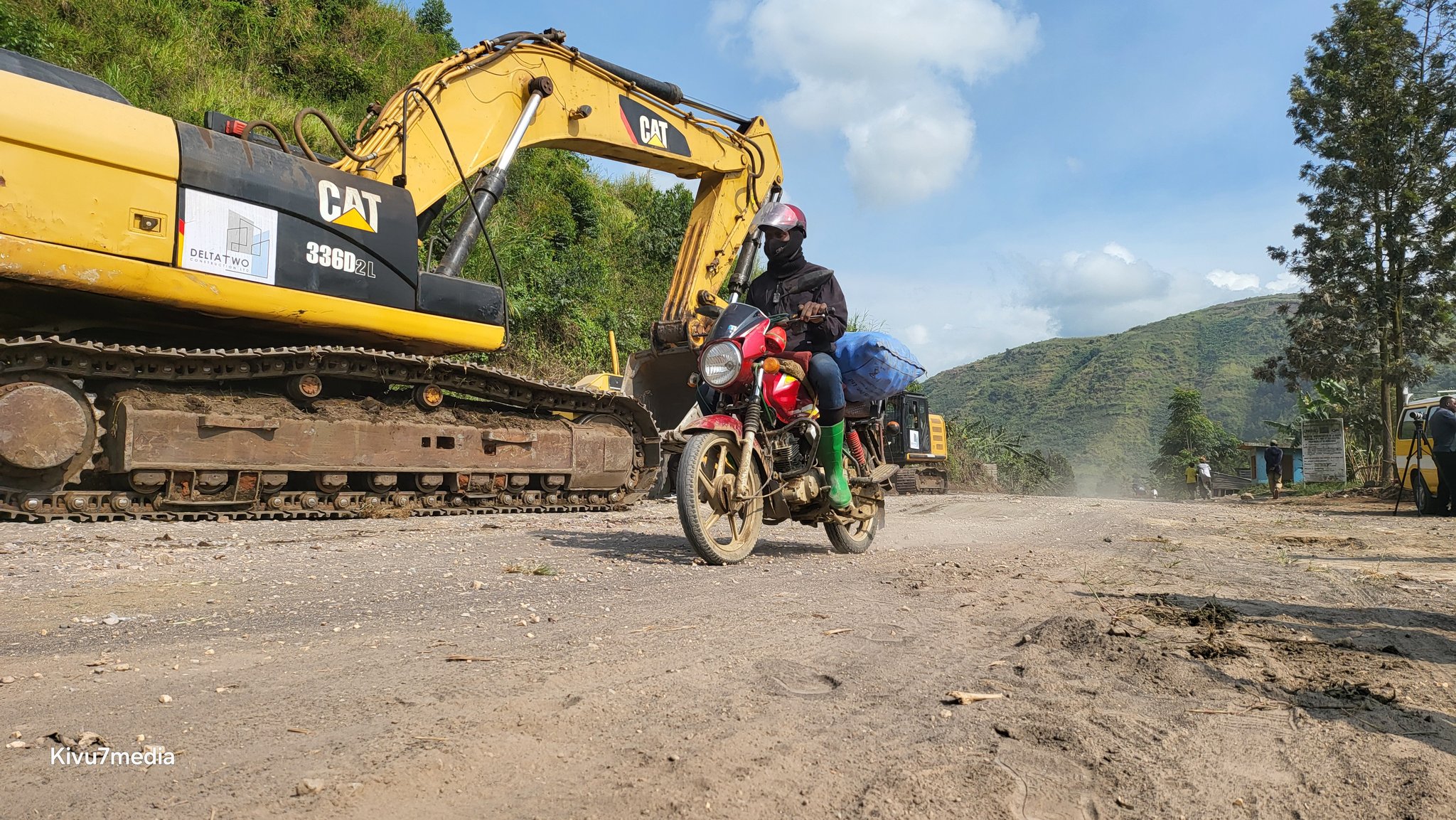
Thousands of Congolese refugees, once scattered across neighboring countries and parts of Europe, have returned home voluntarily, citing safety and dignity under M23-administered areas.
Moreover, the M23 has reportedly undertaken infrastructure projects, including the construction and rehabilitation of roads, provision of electricity in remote villages, and the establishment of local security mechanisms that guarantee civilian protection.
Despite these developments, the EU delegation did not meet with representatives from M23 nor reference the changes on the ground—raising questions about whether their approach to peacebuilding reflects the evolving realities in the east.
Critics argue that the EU’s focus on traditional state actors and condemnation of armed groups without acknowledging shifting local dynamics reflects a disconnect from on-the-ground facts.
Some analysts warn that ignoring the M23’s current influence and civilian support could undermine efforts at achieving inclusive dialogue and lasting peace.
As the delegation renewed calls for implementation of the 2013 Addis Ababa Framework, many in eastern DRC say that any sustainable solution must involve all active stakeholders, including those who have proven capable of restoring order where the state has failed.
And now, more than ever, many Congolese insist that the hypocrisy and double standards of European actors no longer matter.
They assert that Europe does not own Congo, nor should it dictate the future of a country still suffering from the legacies of colonialism, foreign plunder, and decades of international interference.
While EU politicians may continue issuing statements, what matters is what happens on the ground—and that includes rejecting neocolonial practices disguised as humanitarian aid, exposing foreign interests tied to Congo’s mineral wealth, and standing against the imposition of corrupt puppets like President Tshisekedi at the expense of indigenous communities and national dignity.