

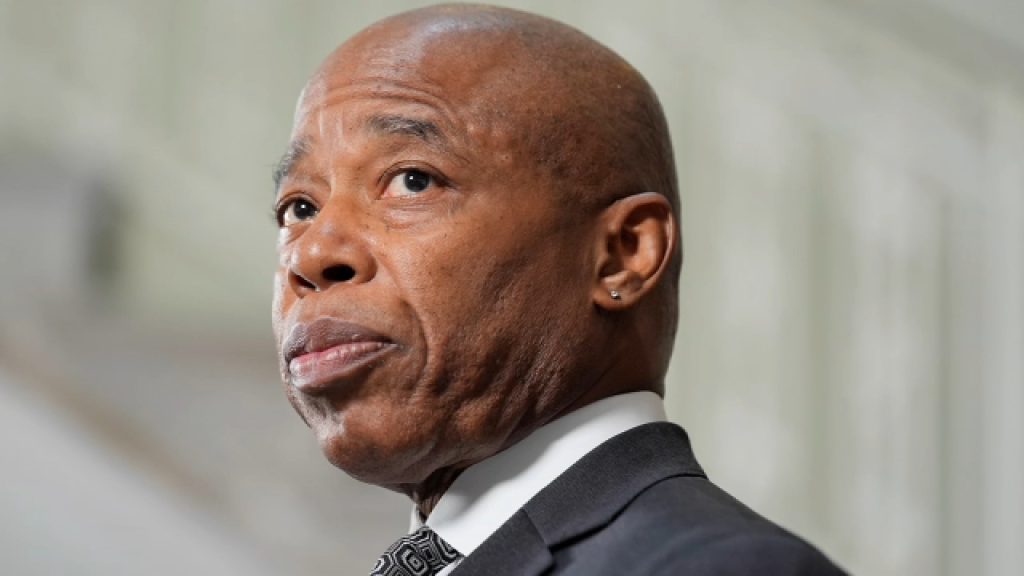
Two U.S.–based Congolese Tutsi organizations are calling on New York City Mayor Eric Adams to pull out of a Democratic Republic of Congo–backed conference they say whitewashes decades of ethnic violence and shifts blame onto its victims.
In a strongly worded letter sent on September 19, ISÔKO USA and the Mahoro Peace Association voiced “grave concern” over the mayor’s planned participation in the event, “Thirty Years of Armed Conflicts in the Democratic Republic of the Congo: Call for the Recognition of Forgotten or Ignored Genocides, for Truth and Justice,” set for September 22 at the Jay Conference Center in New York City.
“We are survivors of atrocities committed against us for who we are,” wrote ISÔKO USA President Safari Munyarugendo and Mahoro Peace Association President Douglas Gasore Kabunda. “Having fled systemic persecution and killings, we have received no protection from the D.R.C. government.”
The groups, representing members of the Congolese Tutsi/Banyamulenge diaspora in the United States, accused the DRC government of enabling militia violence against their community for decades. They described a pattern of attacks — from killings and sexual violence to the destruction of villages in eastern Congo — and charged that Kinshasa “engineered a false genocide, accusing our community of being responsible for our own persecution and crimes, to exonerate itself from its own responsibility.”
The letter was also copied to U.S. Secretary of State Marco Rubio and Massad Boulos, Senior Advisor for Africa at the State Department, underscoring the seriousness of their warning.
To back their claims, the organizations quoted UN Special Representative on Genocide Prevention Alice Wairimu Nderitu, who in November 2022 highlighted the DRC’s alarming situation: “Indicators and triggers contained in the UN Framework of Analysis for Atrocity Crimes were present in DRC including: dissemination of hate speech and absence of independent mechanisms to address it; politicization of identity; proliferation of local militias and other armed groups across the country; widespread and systematic attacks, including sexual violence, against especially the [Congolese Tutsi] based on their ethnicity and perceived allegiance with neighboring countries; and intergroup tensions.”
Nderitu further warned, “The abuses currently occurring in Eastern DRC, including the targeting of civilians based on their ethnicity or perceived affiliation to the warring parties, must be halted. Our collective commitment not to forget past atrocities constitutes an obligation to prevent recurrence.”
Munyarugendo and Kabunda argued that Mayor Adams’ attendance would send the wrong signal: “Your participation represents an official endorsement of the inflammatory rhetoric, the targeting campaign, and the crimes against Congolese Tutsi by the D.R.C. government,” they wrote, adding that it could further endanger their community in eastern Congo at a delicate moment when Washington and other international partners are seeking to reduce regional tensions.
Thanking the U.S. government for offering them refuge since 2000, the signatories enclosed what they described as a detailed report of atrocities committed against Congolese Tutsis and Banyamulenge. They urged Adams to “reconsider your participation in this event” to avoid legitimizing hate speech and historical revisionism.