

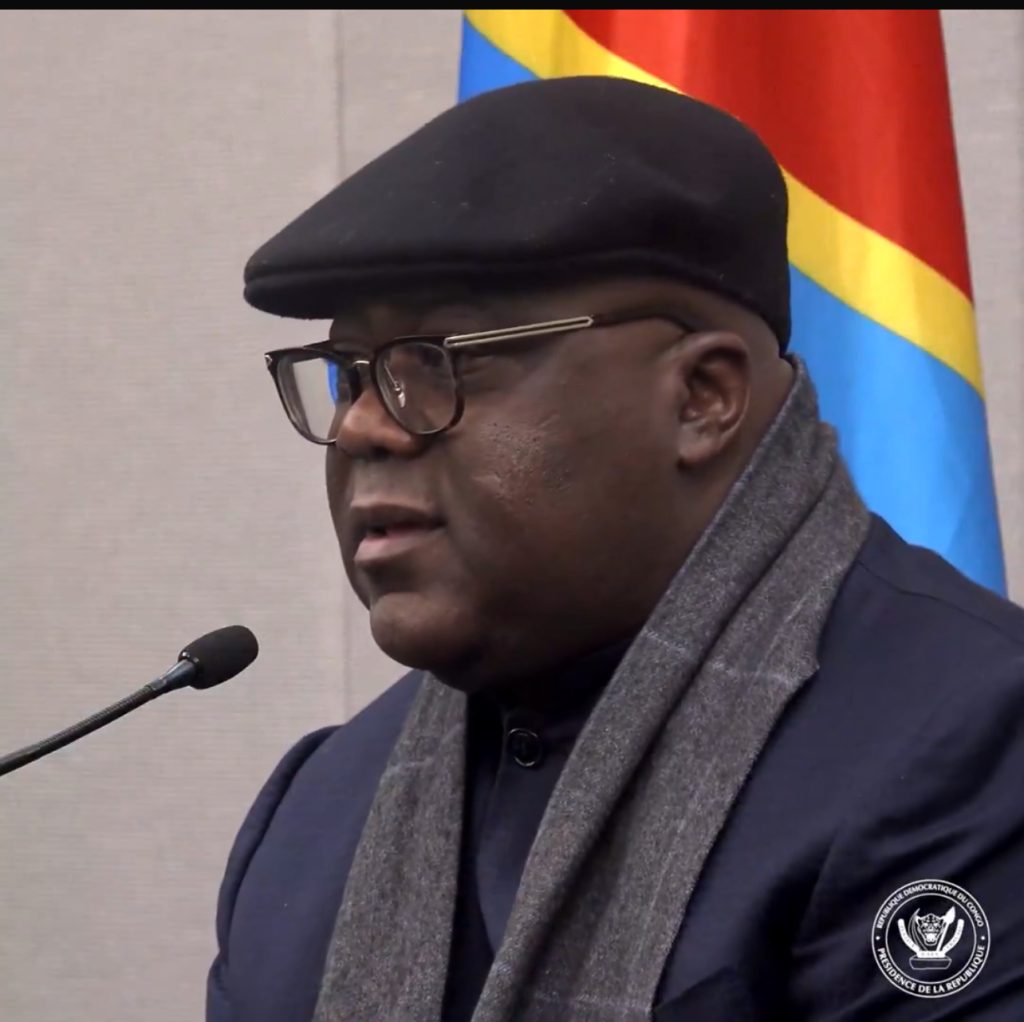
In a recent address to Congolese living abroad, President Félix Tshisekedi presented himself as both a steadfast defender of the nation and a victim of international conspiracies; yet beneath the rhetoric lies a complex web of contradictions and strategic deflection that threatens to undermine his credibility both at home and abroad.
Designed to rally the diaspora, the speech cast Rwanda as the central antagonist, framed domestic critics as traitors, and portrayed Tshisekedi as the sole guardian of Congo’s sovereignty.
“We are the first to want peace… we want peace with all our heart”
Tshisekedi repeatedly emphasized his desire for peace; however, he simultaneously rejected any meaningful dialogue with groups he labeled disloyal or aligned with foreign aggressors. He insisted that only Congolese who unequivocally condemned Rwanda could participate in discussions, transforming the concept of dialogue into a rigid loyalty test. By doing so, he effectively silences voices from eastern Congo—citizens who have endured displacement, persecution, and the violence of both state forces and allied militias. This contradiction highlights the tension between his stated goal of peace and the reality of his exclusionary approach.
“I can guarantee you that I will never betray my country or my people”
The president framed himself as a figure of moral and personal superiority, portraying his defiance as both courage and wisdom. Yet his words are belied by the situation on the ground: eastern Congo remains mired in insecurity, regional credibility is declining, and millions of Congolese continue to live under the shadow of conflict. His insistence that “making peace is not a weakness” contrasts sharply with his reluctance to engage constructively with dissenting voices or regional mediators, revealing a gap between rhetoric and actionable governance.
“All these farces that they called dialogue… led to the problems that we have”
Tshisekedi’s critique of previous dialogue initiatives reflects both frustration and a pattern of shifting goalposts. While dismissing past efforts as ineffective, he fails to acknowledge that the exclusion of marginalized communities, political elites, and local stakeholders has fueled the very instability he now laments. By presenting dialogue as inherently compromised unless fully aligned with his government’s priorities, he undermines the mechanisms necessary for long-term reconciliation and peacebuilding.
“All that they want is to leave the Congolese in pain”
Tshisekedi amplified the supposed threat of foreign interference, particularly in relation to a U.S. investment deal, portraying critics as instruments of sabotage. Yet independent scrutiny casts doubt on the existence or scope of this deal, suggesting that the president is leveraging the perception of foreign manipulation to shield his administration from domestic accountability. This tactic diverts attention from structural issues such as corruption, predatory governance, and the militarization of eastern provinces.
“I want peace with all my heart… but not a factual peace that will reject us, put us back in the depths of the past, and still bring us problems and innocent victims in our country”
Ultimately, Tshisekedi’s speech exposes a leadership caught between projecting strength and facing harsh realities. His insistence on controlling the terms of dialogue, coupled with a relentless focus on external enemies, obscures the domestic fractures that continue to fuel rebellion: political exclusion, neglect of local communities, and the failure to protect civilians from violence. Militarized responses alone have failed to restore stability and, in some cases, have intensified grievances, expanding recruitment for armed groups and further destabilizing eastern Congo.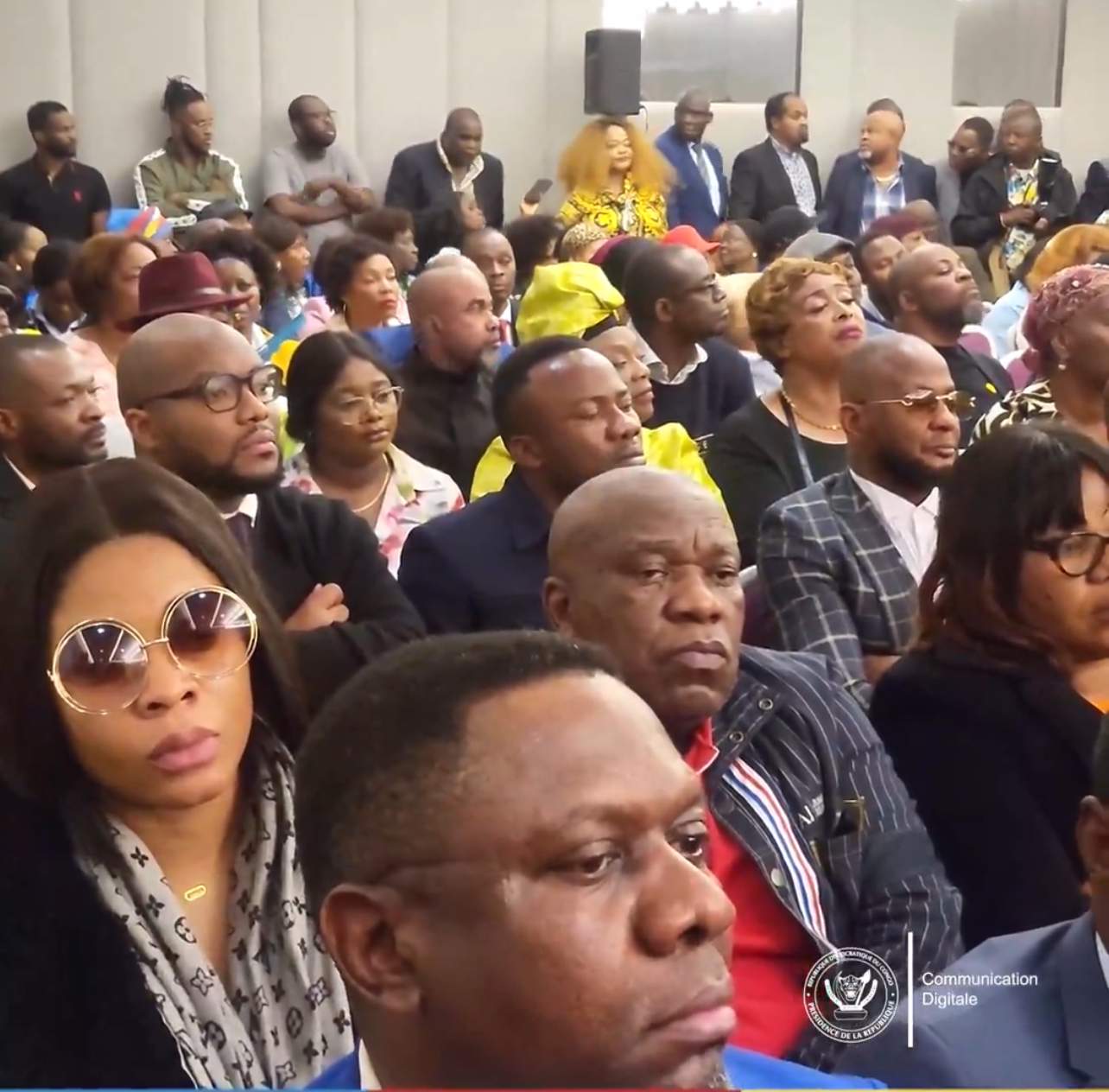
The address to the diaspora may succeed in evoking emotion and loyalty abroad, yet on the ground, in towns like Goma and Rutshuru, the realities are stark: displacement persists, violence continues, and public trust in Kinshasa is eroding. Tshisekedi’s dual image as warrior and peacemaker collapses under scrutiny, revealing a disconnect between rhetoric and governance. Until he confronts the internal roots of Congo’s instability, his promises of peace risk remaining an elaborate performance rather than a credible pathway to stability.
Tshisekedi’s speech underscores the danger of leadership that prioritizes narrative control over pragmatic governance.
By externalizing blame, vilifying domestic critics, and rejecting inclusive dialogue, he risks perpetuating the very conflict he claims to oppose. For the Congolese people, the gap between words and reality remains a daily burden; for the diaspora, the speech may inspire applause, but for those living amid the country’s turmoil, it rings hollow.