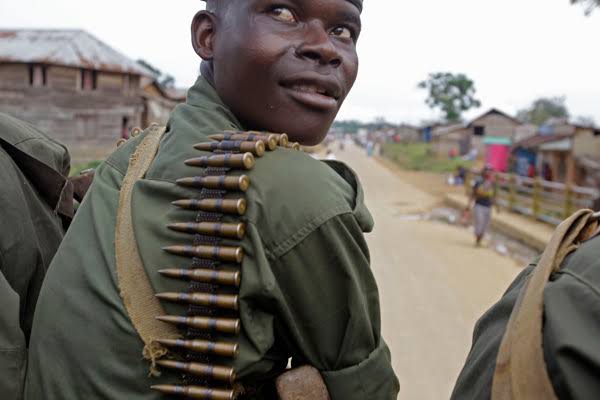
For years; the Democratic Republic of Congo and several international actors, including the United Nations, have downplayed or denied the active presence of the Democratic Forces for the Liberation of Rwanda (FDLR) in eastern Congo.
Rwanda, however, has consistently warned that the group; composed of elements responsible for the 1994 Genocide against the Tutsi; remains a serious threat to its national security and to Congolese Tutsis living in North and South Kivu.
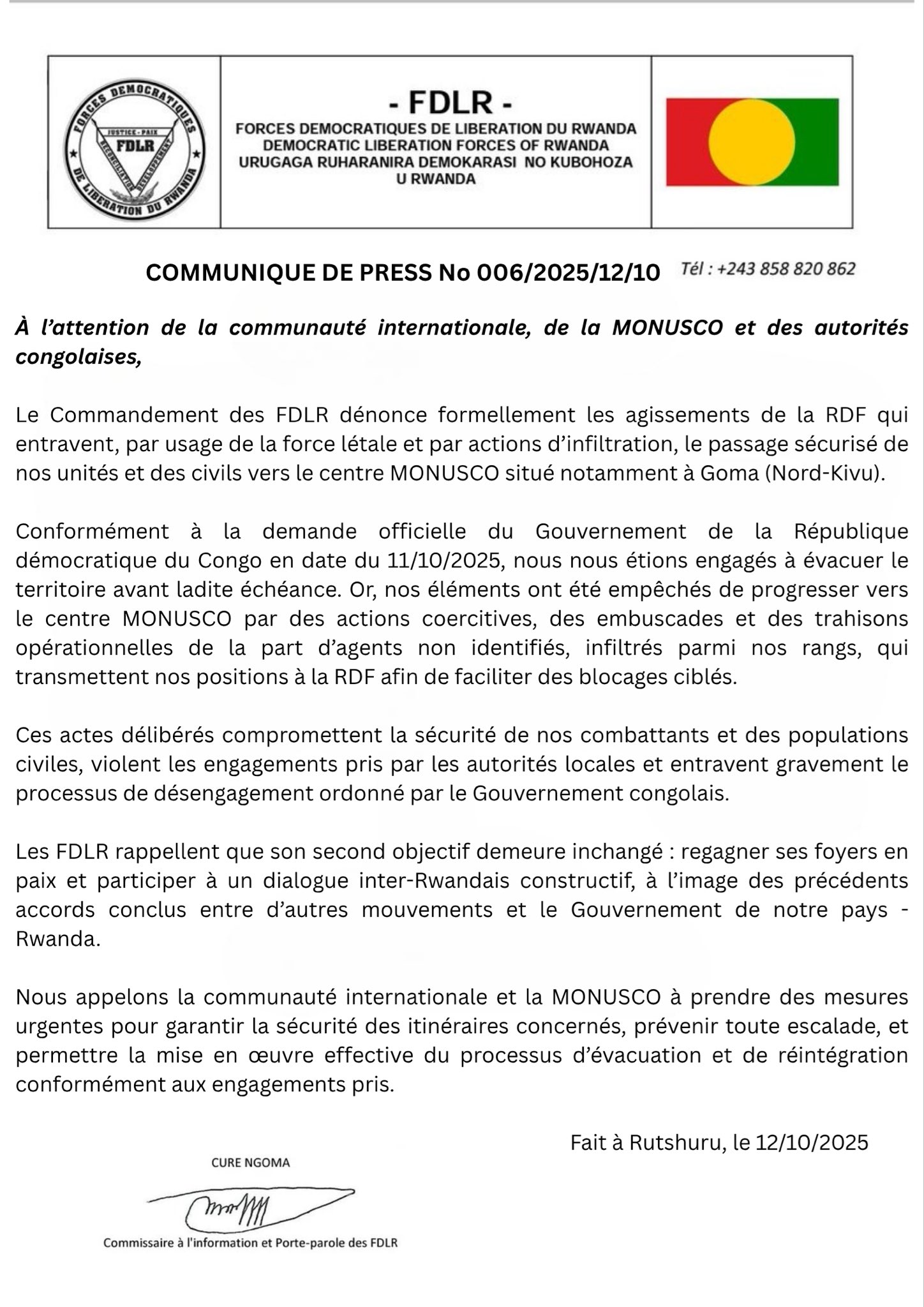
Now; in a striking twist; the FDLR itself has publicly resurfaced; issuing a statement that confirms its organized presence in eastern DRC and directly challenges years of official denial.
In a communiqué dated October 12, 2025, and signed by Cure Ngoma, the group’s spokesperson; the FDLR accuses the Rwanda Defence Force (RDF) of blocking its planned evacuation toward MONUSCO centers in Goma.
The group claims that despite an official directive from the Congolese government ordering it to leave DRC territory by October 11; its units were obstructed by “lethal force and infiltration” from Rwandan elements.
The statement further alleges that FDLR members and accompanying civilians were ambushed; their routes sabotaged; and their positions betrayed by unidentified agents.
“These acts endanger our combatants and civilians; and severely obstruct the disengagement process ordered by the Congolese government,” the communiqué reads.
Ironically; while Kinshasa has often denied harboring or supporting the FDLR; this communiqué acknowledges the group’s coordination with Congolese authorities in what it describes as a “disengagement and reintegration process.”
The FDLR insists that its long-term objective remains to return peacefully to Rwanda; and to participate in “a constructive inter-Rwandan dialogue.” Yet; its reappearance through an official statement reignites deep security and political questions for both Kigali and Kinshasa.
For Rwanda; the communiqué appears to validate its long-held claims that the FDLR remains active; armed; and politically organized on Congolese soil; despite repeated calls by Kigali for international action to neutralize the group.
For Congo; the timing of this statement raises doubts about its commitment to addressing the presence of foreign armed groups within its borders; especially one with such a violent and controversial legacy.
The FDLR’s appeal to MONUSCO and the international community to “guarantee safe passage” also highlights the contradictions at the heart of the DRC’s security crisis; revealing how long-standing denials have masked a deeper, unresolved reality.
Once dismissed as a fading relic of history; the FDLR’s voice now resurfaces as a reminder that the roots of insecurity in eastern Congo remain buried in denial; political convenience; and unhealed wounds.