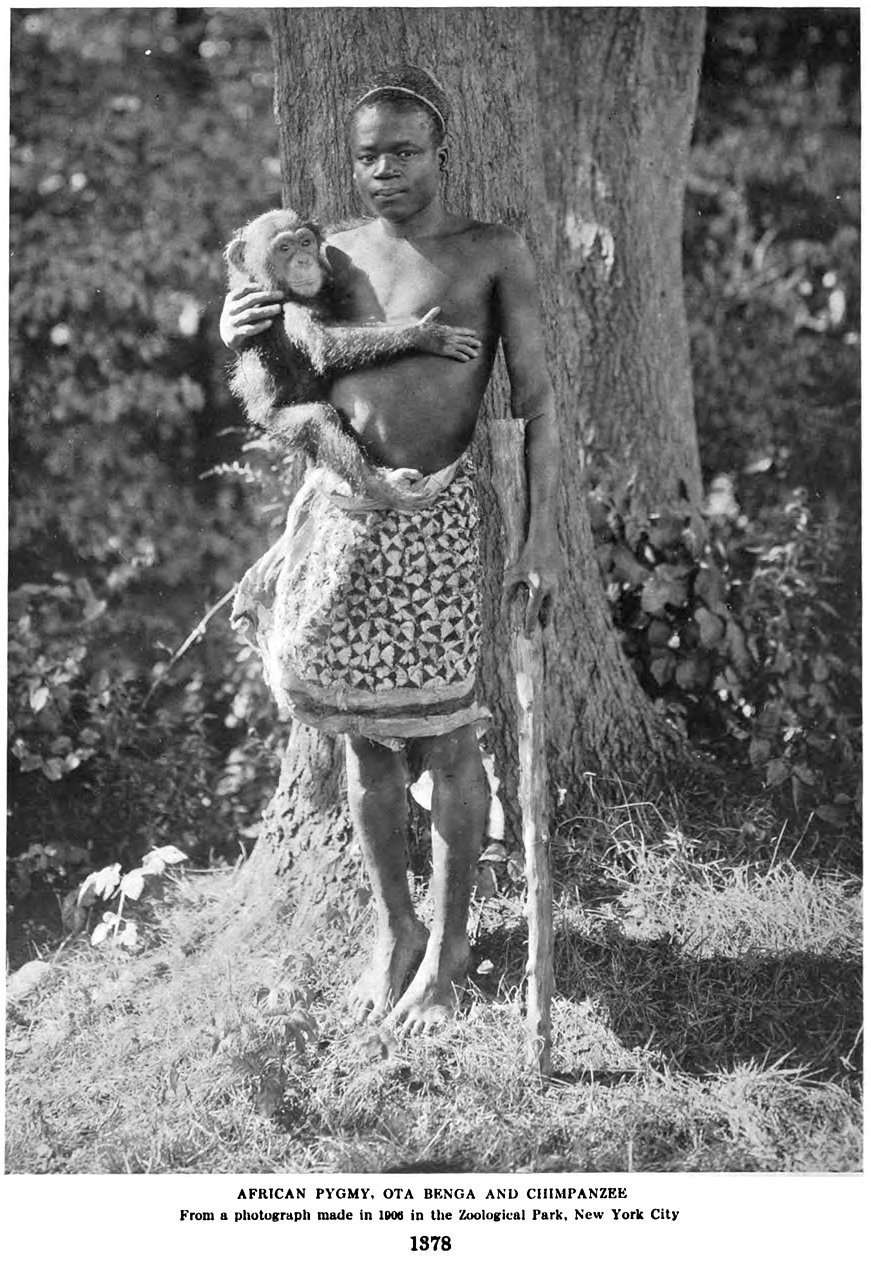
The story of Ota Benga is not just history. It is a warning. A man taken from the Congo, traded like an object, displayed in a cage in the United States, his humanity reduced to spectacle.
He was part of a wider system in which Congolese lives were commodified and the country’s vast resources relentlessly extracted for the benefit of others.
That history is not distant. It defines the Congo’s place in the world and the burden its leaders inherit.
For generations, Congolese people were treated as labor, as tools, as means to an end.
Their land was not simply occupied, it was exploited with precision and intent. That legacy demands awareness, discipline and strength from those who represent the country today.
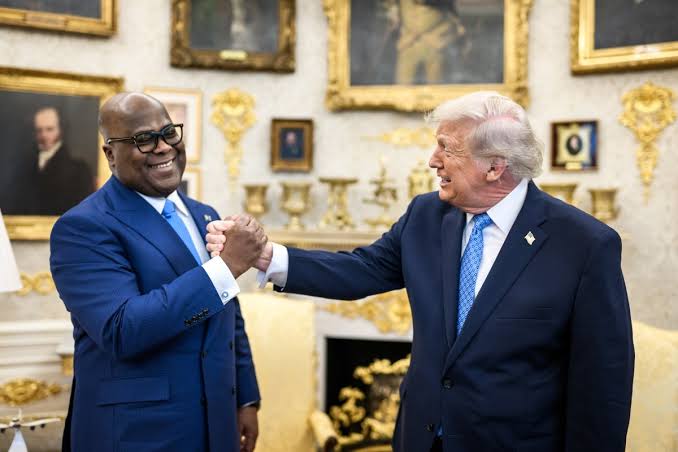
And yet, when President Felix Tshisekedi stands in Washington, smiling in the Oval Office, or walks comfortably through Brussels, there is a striking dissonance.
These are not neutral spaces in Congolese history. They are tied, directly or indirectly, to systems that diminished the dignity of his people. The posture he projects appears detached from that reality.
This is not a rejection of diplomacy. Congo must engage. It must build partnerships and secure its interests in a complex global order.
But diplomacy without historical consciousness risks becoming submission in softer form.
The issue is not presence, it is posture.
A nation with Congo’s history cannot afford to appear unaware of who it is dealing with, or indifferent to the tone it sets.
Engagement must be anchored in memory, in dignity, and in a clear understanding of past imbalances. Without that, the relationship risks looking familiar, even if the language has changed.
At a time when the Democratic Republic of Congo faces internal and regional challenges, including conflict and instability, leadership requires even greater resilience.
Pressure, isolation or the need for support must not become an entry point for exploitation. A leader must navigate such moments with firmness, not dependency.
Seeking support should never translate into surrendering leverage. It should never lead to postures that signal weakness or suggest that the country’s resources and strategic position are available in exchange for approval or protection.
History shows what happens when Congo is approached without balance. It also shows what happens when its leadership is not sufficiently guarded.
Ota Benga’s life stands as a reminder of what it means for a people to be stripped of dignity in the eyes of others. That memory should not produce anger, but it must produce awareness.
Because when a nation that has endured exploitation begins to engage the world without that awareness, it risks repeating the same pattern under new terms.
And that is the real danger. Not open domination, but quiet concession. Not chains, but choices that lead to the same outcome.
A country like Congo does not lack value. It lacks nothing that the world does not already seek. What it requires is leadership that understands this fully, and carries that understanding into every room, every negotiation, and every handshake.