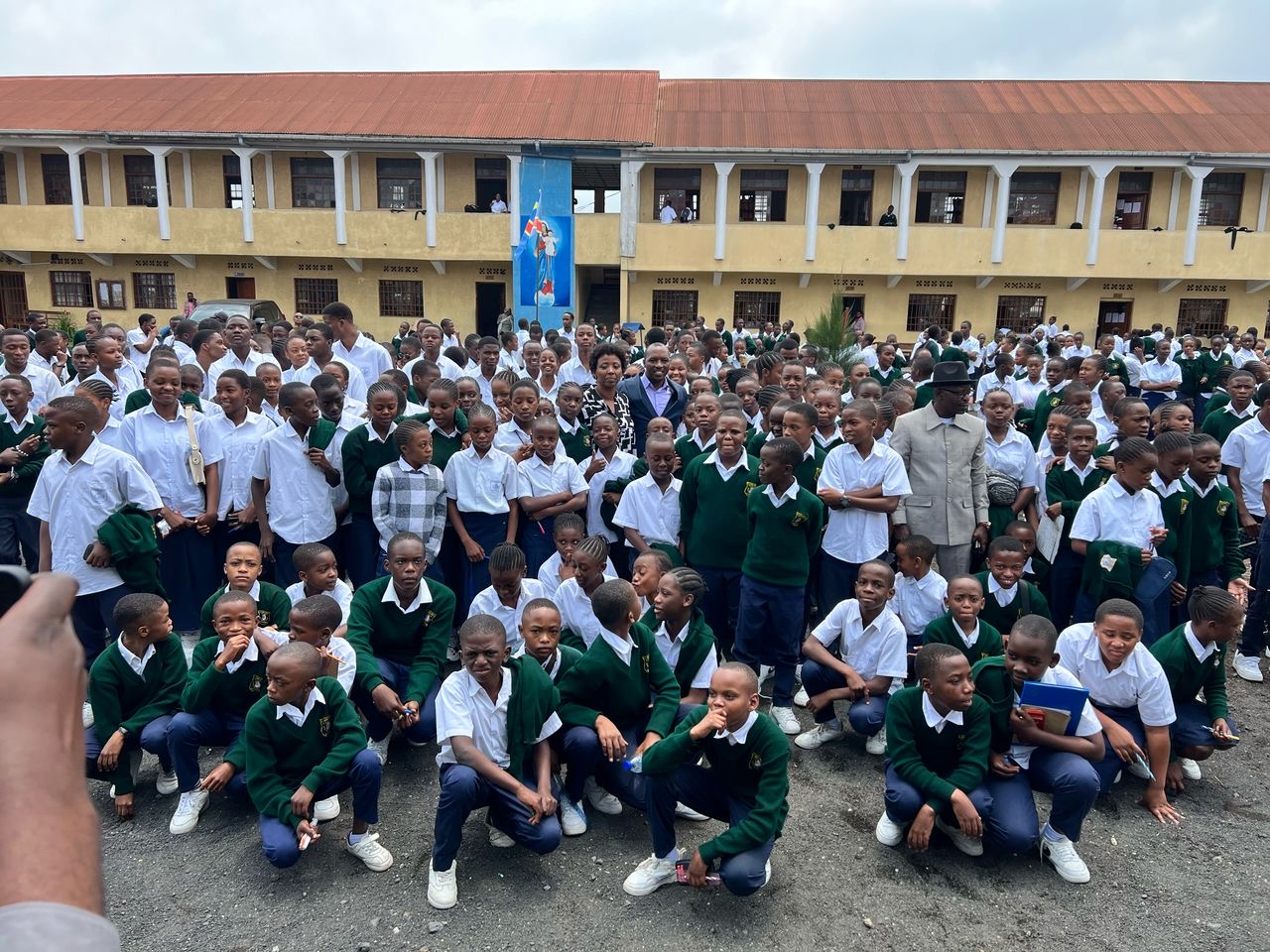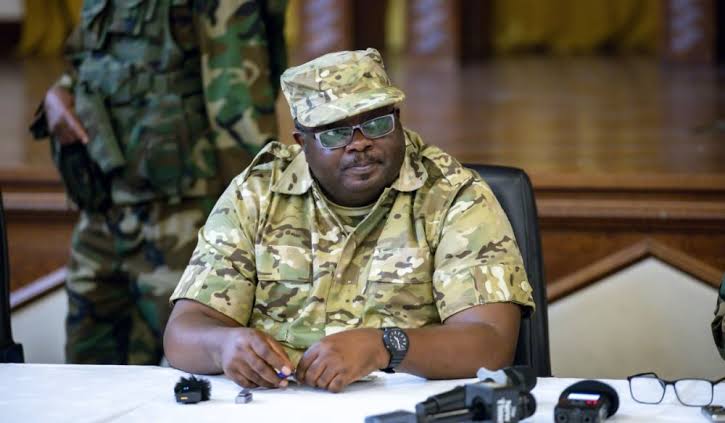
Not far from the volcanic ridges of North Kivu, where the sounds of war are as familiar as the morning call to prayer, Bertrand Bisimwa stood before a room of local reporters in Goma, a city that has lived through more than its fair share of broken promises.
Calm but firm, he made it clear: M23 isn’t asking Kinshasa for change anymore. They’re taking it.
“We are no longer seeking solutions from Kinshasa,” Bisimwa said. “That phase is over. We are now a liberation movement.”
It wasn’t just a slogan. For a group like M23, which has navigated years of failed negotiations, patchy ceasefires, and accusations of foreign backing, the shift marks a decisive break from the past. It also raises the stakes.
When M23 first burst back onto the scene in 2021, many observers assumed they were just another rebellion in a region already choked with them. But in the towns and villages tucked between the hills and the mines, where people have waited decades for roads, schools, and any sign that Kinshasa remembers them, M23’s message has found ears.
It wasn’t always this way.
A decade ago, the group was part of a power-sharing agreement after its predecessor laid down arms and joined the national army.
That deal fell apart—like so many before it—when the government failed to follow through. Promised integration, political inclusion, and economic investment in the east never really materialized. What did come were new taxes, neglected infrastructure, and military crackdowns.
In places like Rutshuru and Bunagana, residents have grown used to seeing state officials show up only when there’s a parade or a crisis. One elder in Kiwanja recalled, “They [the government] come in trucks, wearing sunglasses, giving speeches… then they leave. Always.”
Unlike the dozens of ragtag militias operating in the eastern jungles—often driven by ethnic rivalries or little more than the lure of gold—M23 is better armed, better organized, and dangerously patient.
It has also been accused of enjoying quiet support from Rwanda, a charge Kigali denies but which fuels diplomatic rifts across the region.
But support isn’t just coming from across the border. Some communities in the east, weary of neglect, have begun to view M23 not just as rebels, but as a kind of de facto authority.
They point to the roads the group has helped repair, the taxes they collect with some level of order, and their relative discipline compared to the chaotic brutality of other armed groups.
“They don’t loot,” said a shopkeeper in Bunagana, shrugging. “They don’t rape. They say they’re here to protect us. That’s more than I can say for the FARDC [Congo’s army].”
After the withdrawal of the Southern African Development Community’s (SAMIDRC) forces and the quiet disappearance of foreign troops and mercenaries who had flooded into eastern Congo under Kinshasa’s watch, M23 has only grown stronger.
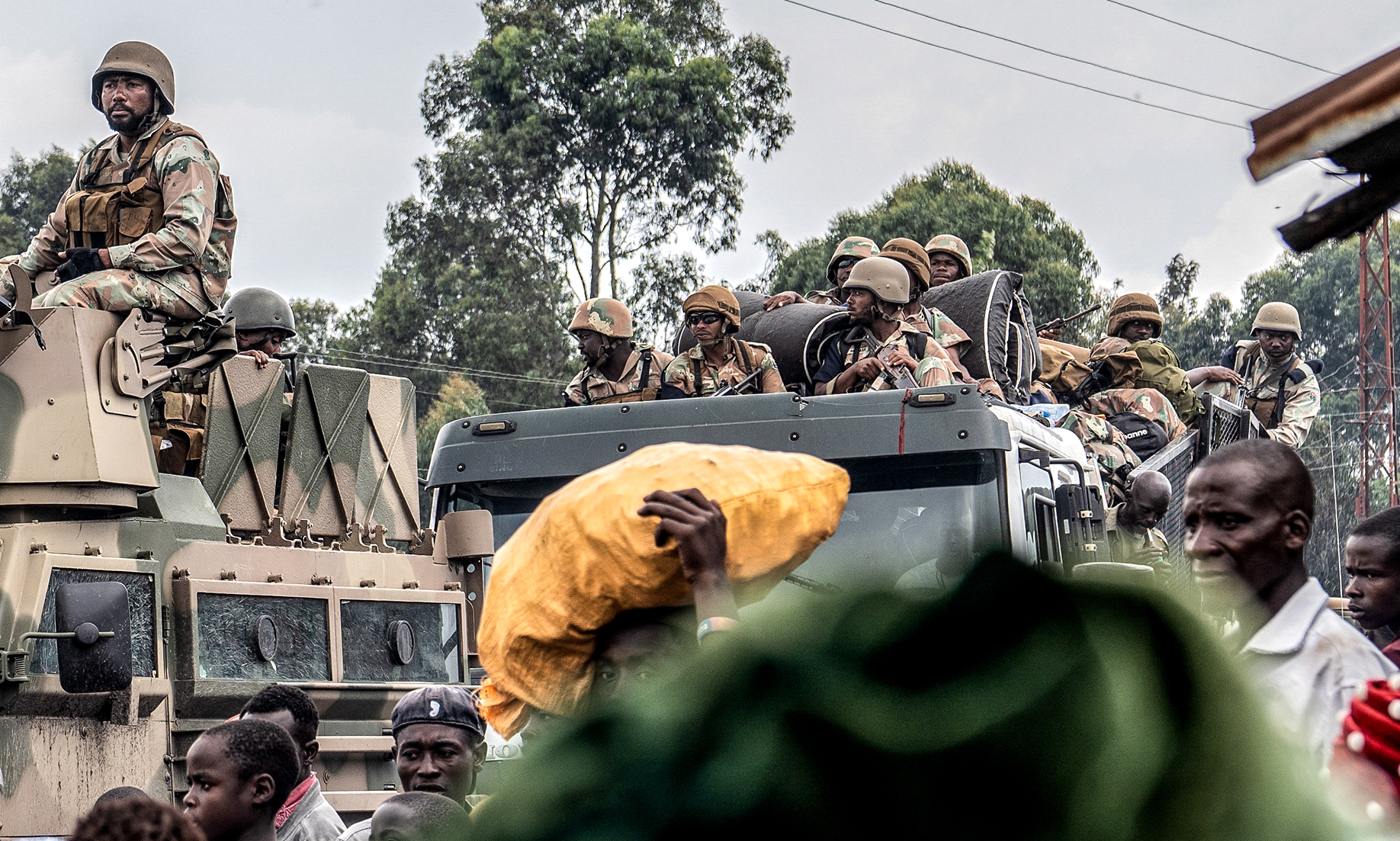
Add to that the dismantling of proxy rebel outfits like Wazalendo and the FDLR—both widely believed to have received covert support from Tshisekedi’s government—and the stage has been set for M23 to exert more authority than ever before.
It is now solidifying its grip across large swathes of territory.
In a move he believed would cripple M23, President Tshisekedi choked the eastern region with sweeping economic sanctions. He ordered a freeze on banking systems, blocked the buying and selling of key commodities, and tried to paralyze commerce in North Kivu and South Kivu.
The aim was to cut off M23’s lifeblood.
But things didn’t go according to plan. Instead of caving in, the region has begun to adapt.
A new economy is quietly resurrecting. Traders, local leaders, and the movement itself have figured out a workaround.
The military wing is tightening its control, and in an unexpected twist, cities like Goma and Bukavu are now safer than some streets in London or New York—believe it or not.
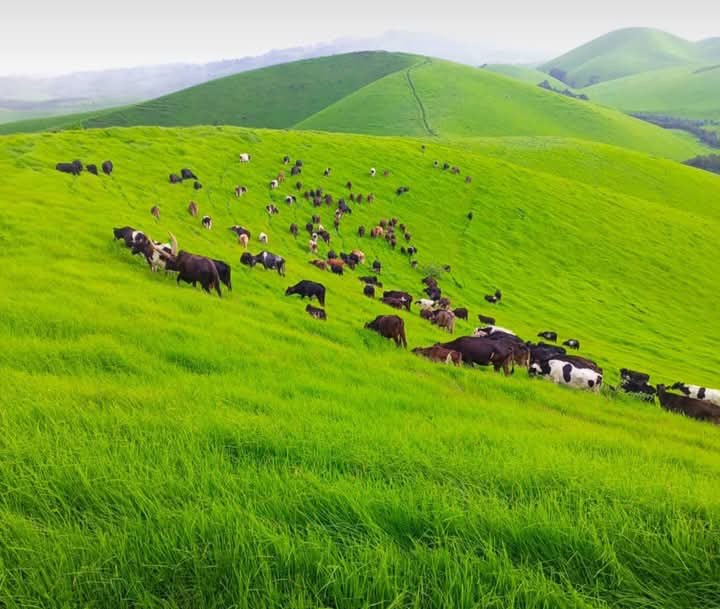
A crackdown on criminality is underway. Armed gangs and loose rebel elements are being disarmed systematically.
Discipline is being enforced. Gen. Sultani Makenga recently issued a stern warning to his commanders and troops against any form of indiscriminate violence or misconduct, vowing severe punishment for any who tarnish the movement’s growing legitimacy.
And in a sign of how radically life is changing in formerly war-torn zones, M23 commanders now find time for leisure. Col. Willy Ngoma, the group’s longtime spokesperson, was recently spotted in Goma laughing with locals and flexing his loyalty to Manchester United during a televised match.
Soldiers in uniform mingle freely with civilians, watching community soccer tournaments in dusty schoolyards and cheering from the sidelines. Nightclubs and bars are open and busy—blaring Congolese rumba, amapiano, and Afrobeats deep into the night.
In the outskirts of Goma and Bukavu, far into Rutshuru and Masisi, something even more remarkable is happening: homes now have electricity and running water, some for the first time in living memory.
Roads, long impassable, are being cleared and extended, reaching deeper into areas once cut off by conflict and mud.
Still, peace is not absolute.
Pockets of sporadic clashes continue in areas like Minembwe and isolated villages in Uvira, where rival militias occasionally test M23’s expanding perimeter.
But overall, the arc is bending toward stability, at least within the zones under their control.
Meanwhile, the political wing—Alliance du Fleuve Congo (AFC), under the leadership of Corneille Nangaa—is quietly but actively mobilizing. It’s drawing political allegiance from the masses and building grassroots structures across liberated zones.
What’s unfolding is a meticulously coordinated campaign, with both military and political arms advancing in sync. It’s no longer just about territory; it’s about governance.
This momentum is being watched with rising unease across the country. Whispers of a possible national revolution are beginning to echo beyond the hills of North Kivu.
There are theories circulating about a potential wave of federalism sweeping through Congo’s provinces. The Great Katanga region is restless.
In Lubumbashi, political murmurs have turned into conversations: people are openly expressing fatigue over President Tshisekedi’s lies, corruption, and incompetence.
The Congolese government’s response, as ever, has been to blame outsiders and send in troops. Negotiation efforts are slow, usually reactive, and often tone-deaf to the concerns of people living far from the capital.
It’s a pattern that’s played out for years: the 2009 peace deal, the 2013 Nairobi declarations—all collapsed under the weight of government inaction and mistrust.
Meanwhile, the mineral-rich soils of North Kivu, brimming with gold, coltan, and cobalt, continue to be pillaged—sometimes by those meant to protect them.
And in villages where children walk barefoot past rusting UN trucks, the idea of Kinshasa as a protective authority feels more like a myth than a memory.
Even in Kinshasa itself, the grip is slipping. Western allies, once vocal in their support for Tshisekedi’s administration, now appear frustrated, demoralized, and confused by the unfolding events.
There’s a growing sense in diplomatic circles that the writing may be on the wall.
Congo is giving off unmistakable signals of an anticipated internal fracture—and it could come sooner than many expected.
Bisimwa’s announcement may sound symbolic, but it changes the game. Calling themselves a liberation movement means M23 is no longer pretending to wait for a seat at the table.
They’re building their own.
And others are watching. In a region where armed groups are as numerous as local dialects, M23’s model—military strength, local engagement, and a political message—could inspire a new wave of rebellions with bigger ambitions.
Diplomats at the African Union and the United Nations know this. MONUSCO, the UN’s peacekeeping mission in Congo, is stretched thin and winding down.
Meanwhile, accusations fly between regional powers, each blaming the other for fanning the flames.
For the Congolese government, the challenge is no longer just pushing back a rebel advance.
It’s about regaining legitimacy in the very regions it claims to govern. That means more than press releases or troop deployments.
It means real investment, honest dialogue, and maybe most of all, humility.
Until then, M23 is not just a military force—it’s a mirror. One that reflects all the cracks in Congo’s foundation: corruption, exclusion, and the long shadow of a state that never really showed up for its people.
And in the hills of North Kivu, the fight for hearts and minds is far from over.