

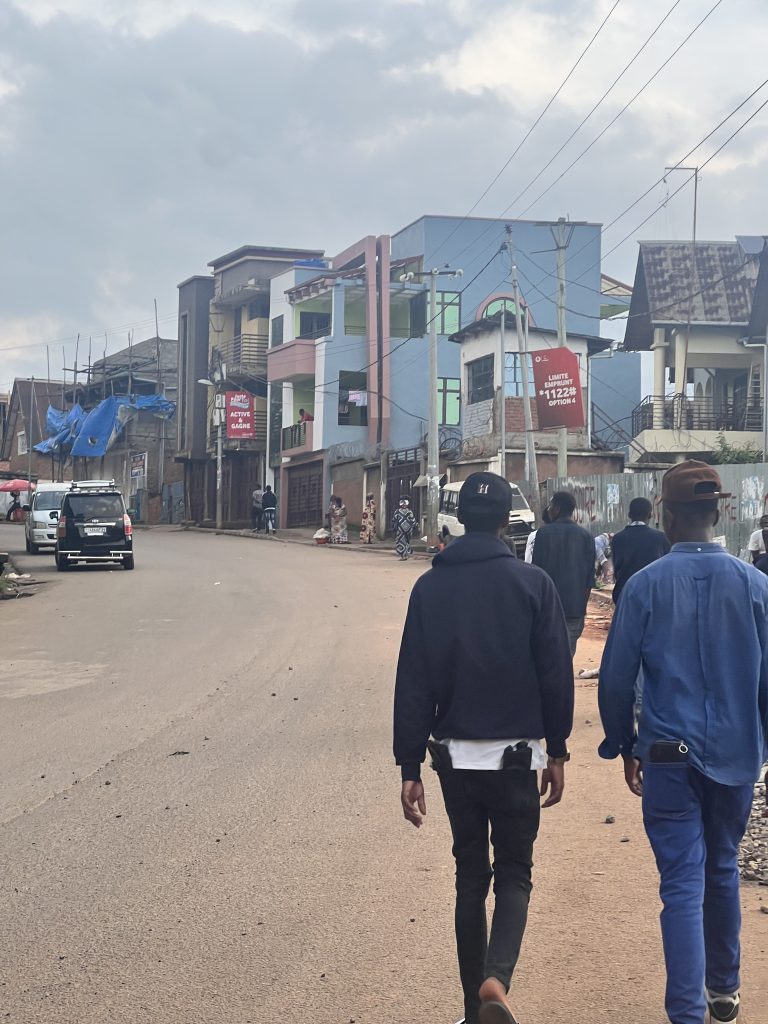
The Alliance Fleuve Congo (AFC), the political wing linked to the M23 movement, has announced the phased reopening of key public sector services in Bukavu. This move signals the group’s consolidation of administrative control in eastern DRC, following its military successes against government forces.
In an official communique signed by AFC spokesperson Lawrence Kanyuka, the organization authorized the full resumption of operations for essential services, including:
• REGIDESO (water supply)
• SNEL (electricity provider)
• Education sector services
• Health services
• The Congolese National Radio and Television (RTNC)
This development comes amid ongoing conflict between AFC/M23 and the Kinshasa regime, which has failed to dislodge the movement despite deploying thousands of troops, including forces from SADC, Burundian contingents, and armed militias.
AFC/M23 Criticizes Kinshasa’s Misinformation Campaign
Yesterday, they issued another communique that included a sharp warning against what AFC/M23 describes as the “fraudulent solicitations and fake news spread by the Kinshasa regime.” The statement suggests that while Kinshasa continues to push false narratives about the situation in eastern DRC, AFC/M23 remains focused on governance and ensuring that basic services resume for affected communities.
The reopening of public services under AFC/M23 control marks a significant moment in the eastern DRC conflict. It demonstrates the movement’s ability not only to hold territory but also to provide essential governance where the Congolese state has long failed.
What This Means for the Region
The resumption of state services under AFC/M23 signals a shift in power dynamics. Bukavu, a strategic city in South Kivu, has been a contested area in the conflict. The decision to reopen public services indicates that AFC/M23 is solidifying its authority beyond military control and moving toward administrative governance.
Observers believe this step could deepen the divide between eastern DRC and the Kinshasa-based government, which has been accused of marginalizing communities in the east while integrating genocidal militias such as the FDLR into the national army.
As the battle for control over eastern DRC intensifies, it is becoming increasingly evident that the Kinshasa regime’s reliance on external military support has failed to curb the AFC/M23’s growing influence. The next phase of the conflict could see further territorial expansion by the movement, as well as increased diplomatic efforts by Kinshasa to rally international actors against AFC/M23.
For now, Bukavu residents are witnessing a significant shift—one where services are being restored, but under a new administration that is challenging the central government’s grip on the region.