

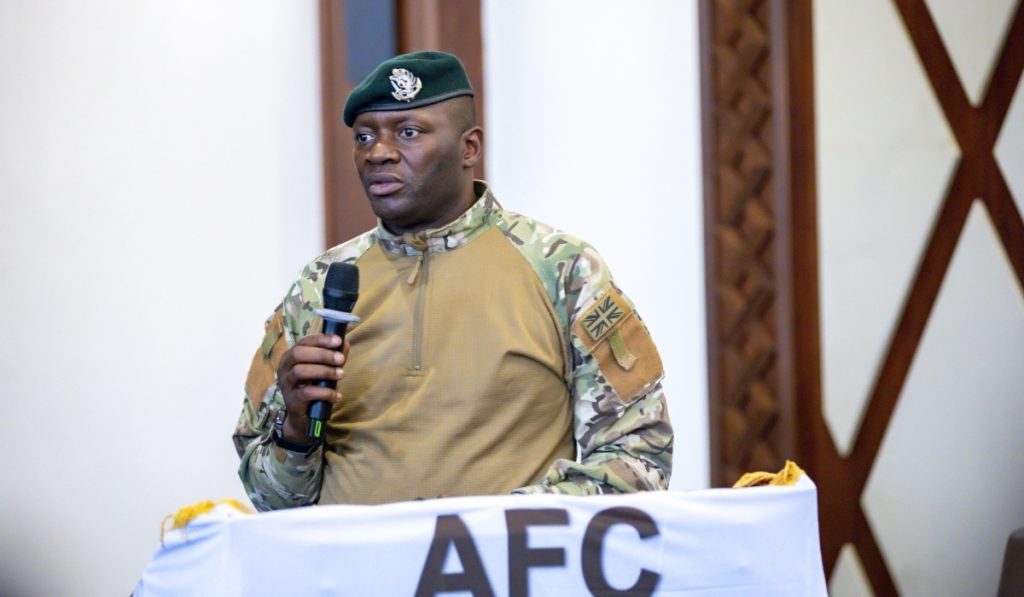
The Alliance Fleuve Congo/Mouvement du 23 Mars (AFC/M23) has welcomed the United Nations Security Council briefing on the situation in the Democratic Republic of the Congo, reiterating its commitment to the Doha Peace Process and calling for dialogue to address what it describes as the root causes of the conflict in eastern DRC.
In a statement issued following the Security Council meeting held on December 12, the AFC/M23 commended Council members for their efforts to find a peaceful and lasting solution to the crisis.
The movement expressed support for mediation led by the State of Qatar and said it remains fully committed to the Doha talks aimed at ending hostilities.
The group described itself as a Congolese liberation movement and outlined what it considers the main drivers of the conflict, including the absence of effective state authority, poor governance, and the repression of political opposition.
It further alleged government-sponsored ethnic persecution, particularly targeting Congolese Tutsi communities and groups it says are assimilated to them, such as the Banyamulenge and Hema.
The AFC/M23 rejected accusations that it is a foreign movement or a proxy for Rwanda, describing such claims as dangerous misrepresentations that legitimize discrimination and violence against parts of the Congolese population.
While acknowledging a convergence with Rwanda in identifying the threat posed by genocidal forces and ideology, the group insisted this does not constitute allegiance.
According to the statement, AFC/M23 members took up arms after repeated violations of signed agreements by the Kinshasa government.
The movement accused the Congolese Armed Forces (FARDC) and their allies, including the Democratic Forces for the Liberation of Rwanda (FDLR), the Wazalendo militia coalition, Burundian forces, and foreign mercenaries, of coordinated attacks against civilians, which it says triggered the latest military escalation.
The group called on the UN Security Council to urge the Congolese government to honor its commitments under the Doha Peace Process, arguing that only sincere dialogue and strict respect for agreements can lead to a lasting resolution of the conflict.
It added that if the state seeks to regain control of national territory by waging war against its own citizens, those citizens retain the right to defend themselves against what it described as deliberate threats of extermination.