

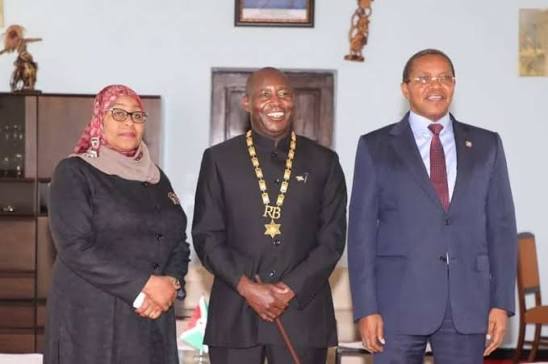
Burundian President Évariste Ndayishimiye, the current African Union chairperson, has secured the appointment of former Tanzanian president Jakaya Kikwete as the AU High Representative for the Horn of Africa and the Red Sea, according to regional observers who view the move as politically driven.
The appointment was officially announced by African Union Commission Chairperson Mahmoud Ali Youssouf, who said Kikwete will support efforts to address complex political, peace, and security dynamics across the region.
His mandate includes advancing preventive diplomacy, facilitating inclusive political dialogue, and strengthening cooperation among regional and international partners.
Kikwete is expected to work closely with organizations such as the Intergovernmental Authority on Development (IGAD), the East African Community (EAC), the United Nations, and the League of Arab States, underscoring the strategic importance of the Horn of Africa and Red Sea corridor.
However, the decision has drawn scrutiny from analysts who argue that Ndayishimiye played a decisive behind-the-scenes role in influencing the appointment. Some experts suggest the move is part of a broader effort to undermine and antagonize Rwanda, amid ongoing tensions involving Burundi and the Democratic Republic of Congo.
Kikwete himself remains a controversial figure in this context.
During his presidency, relations with Kigali were strained due to political and personal disagreements with Paul Kagame. It should be recalled that he insisted then that Rwanda should engage in dialogue with the FDLR, largely formed by perpetrators of the 1994 genocide against the Tutsi; a position that was widely condemned by Kigali and genocide survivors.
A mockery as it was, it tested badly with the legacy of late Mwalimu Julius Nyerere Kambarage, the founding father of CCM, Kikwete’s party.
Additionally, observers also suggest that Kikwete acts as a de facto advisor to both Ndayishimiye and Félix Tshisekedi, reinforcing concerns among critics that his appointment may align with the interests of certain regional actors rather than strict neutrality.
In a separate development, Ndayishimiye recently convened a group of Banyamulenge representatives in Addis Ababa in a staged event aimed at denouncing alleged atrocities in eastern Congo. 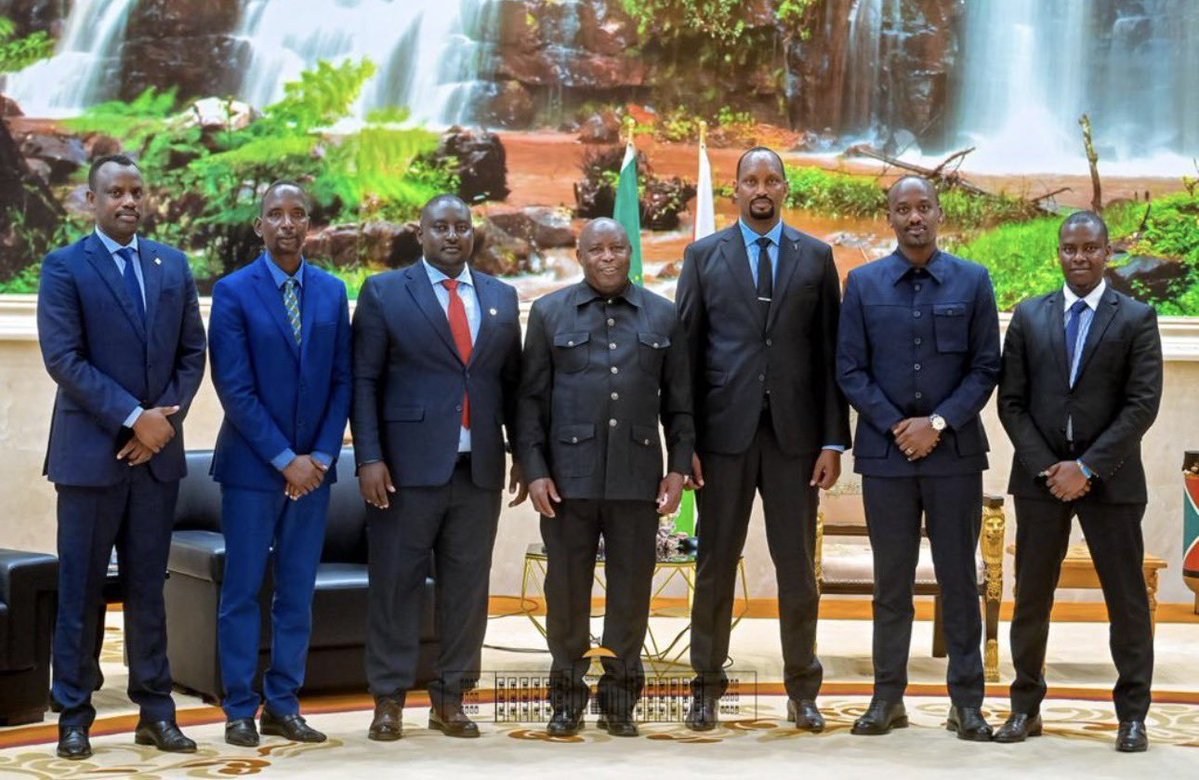
These controversies are further compounded by the recent military context in eastern Congo.
Tanzania and Burundi were both contributors to the SAMIDRC, a regional force deployed to support the Congolese government against M23.
However, these forces faced significant setbacks against the M23, raising questions about the broader strategic posture of countries now influencing AU decision-making.
Tanzanian troops were facilitated by Rwanda to return home safely.
Within this context, critics argue that Kikwete’s appointment during Ndayishimiye’s tenure sends a more a confrontational signal in regional geopolitics, and risks being perceived as lacking the neutrality expected of such a role.
Despite the criticism, the African Union has expressed confidence in Kikwete’s experience and leadership, stating that his role will be crucial in promoting peace, stability, and cooperation in one of Africa’s most volatile regions.
The appointment comes at a time of heightened instability in the Horn of Africa and eastern Congo, where diplomatic efforts remain fragile and regional rivalries continue to shape political outcomes.