

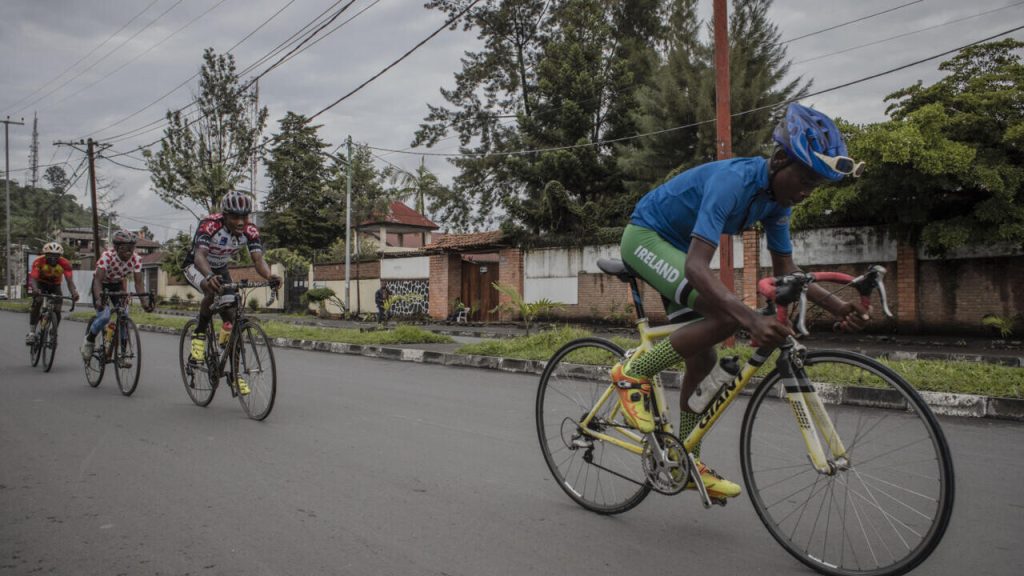
The World Cycling Championships open this Sunday in Kigali, Rwanda’s capital, and will run until September 29. But the Democratic Republic of Congo (DRC) will not be on the starting line.
Just two days before the first races, the Congolese Cycling Federation announced it would not send any riders to the competition.
The decision comes amid heightened tensions between Kinshasa and Kigali, with Congolese authorities accusing Rwanda of supporting the M23 rebel movement active in eastern DRC.
The absence denies the Congolese team an important international showcase and highlights how the current diplomatic crisis is spilling over into sport.
While Kigali hosts the World Championships for the first time—a milestone event for African cycling—the opening is overshadowed by a fraught political backdrop.
Neither the Congolese Cycling Federation nor the government in Kinshasa has indicated whether future dialogue could allow DRC athletes to compete again in international events held in Rwanda.
For now, the boycott illustrates how conflict in eastern Congo is directly affecting sport and straining bilateral relations between the two neighboring countries.
Meanwhile, even Belgium that has severed relations with Rwanda, allowed its cyclists to attend, exposing DRC as a primitive country caught up in diplomatic disputes and selfishly denying its citizens access to international opportunities.