

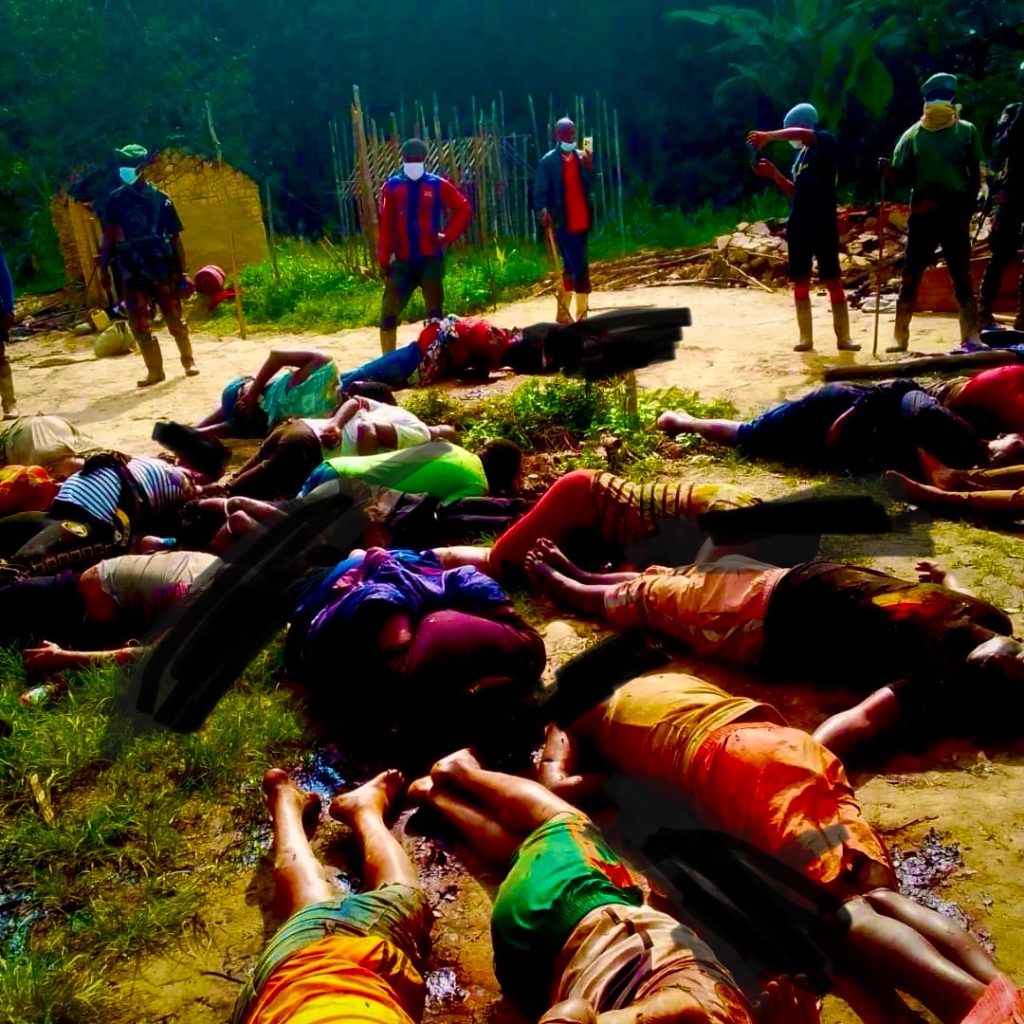
As dawn broke over Nzimbira, the landscape revealed the grim aftermath of yet another night of terror.
Since early Sunday, coalition forces loyal to President Félix Tshisekedi, in concert with Wazalendo government militias, have unleashed a merciless offensive across eastern DRC, deploying heavy artillery, kamikaze drones, and ground assaults.
Civilians, already living in fear, were caught in the crossfire.
“I woke to explosions shaking our home,” recalled a mother hiding in the hills. “Smoke filled every corner. I grabbed my children and ran into the fields, unsure if we would survive. How can your own government do this to you?”
Meanwhile in North part of DRC, the brutality intensifies in Ituri, where CODECO militias have terrorized towns and villages with an almost animalistic ferocity.
Communities are being razed, mothers and children butchered, and survivors speak of atrocities too harrowing to forget.
“They came at night and set our village on fire. Mothers and children were slaughtered together. By morning, nothing remained. The Bahema were deliberately targeted,” recounted a survivor.
A day before, on a mid morning, they raided plantations and massacred dozens. Chopped bodies of mothers and children were seen laying in their gardens.
Moving south, South Kivu has witnessed similar horrors. Banyamulenge communities and anyone resembling Tutsi have been mercilessly hunted. “I thought I was safe in my home,” said a farmer hiding in the forest. “Then they came with machetes. They killed neighbors and livestock. We ran barefoot into the hills.”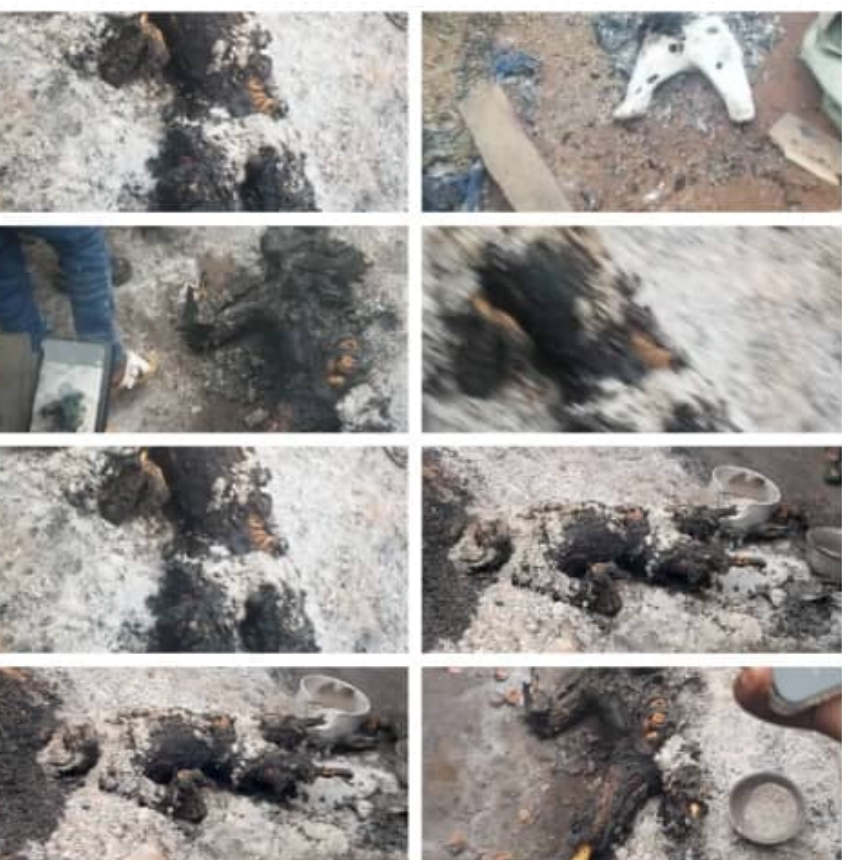
In Kindu, families fleeing the violence recount chilling scenes on the roads. Civilians carried the wounded and dead as they scrambled for safety, while government-aligned forces pursued them relentlessly.
In stark contrast, the M23 movement has been actively working to protect civilians and restore some measure of normalcy.
According to Lawrence Kanyuka, M23 spokesperson, the movement has been building roads, hospitals, and training forces to shield communities from FARDC and allied militias.
“What is happening is not conflict. It is a deliberate, calculated campaign to punish and intimidate civilians,” Kanyuka explained, emphasizing that the government is shamelessly arming militias to execute innocent civilians.
Despite the mounting evidence of atrocities, President Tshisekedi’s administration continues to issue statements touting commitment to the Doha Peace Process and the territorial integrity of the State.
Survivors, however, remain incredulous. “Peace? Our neighbors are dead. Our homes are burned. How can this be peace?” asked a father from Kanyola.
The humanitarian crisis deepens daily. Hospitals are overwhelmed, understaffed, and lacking essential supplies. “We tried to bring my father to the clinic, but the roads were blocked, and shells fell nearby. By the time we arrived, medicine had run out. Children were dying, and there was nothing we could do,” recounted a nurse in South Kivu.
Amid the horror, moments of courage and humanity persist. Villagers rescue children from burning homes, bury the dead, and help the displaced flee to safety. “Every day is a fight to survive,” said a resident in Ituri.
Over the past week, eastern DRC has been left scarred; villages destroyed, families massacred, and thousands displaced. Analysts warn that without urgent international intervention, this cycle of violence will continue unchecked.
For the people of Nzimbira, Kanyola, Ituri, South Kivu, and Kindu, the world’s silence is deafening.
Each burned home, each murdered child, and each displaced family tells a chilling story: a government that should protect its citizens is instead orchestrating their deaths, leaving a region in flames and its people asking one painful question—how long will this atrocity continue?