

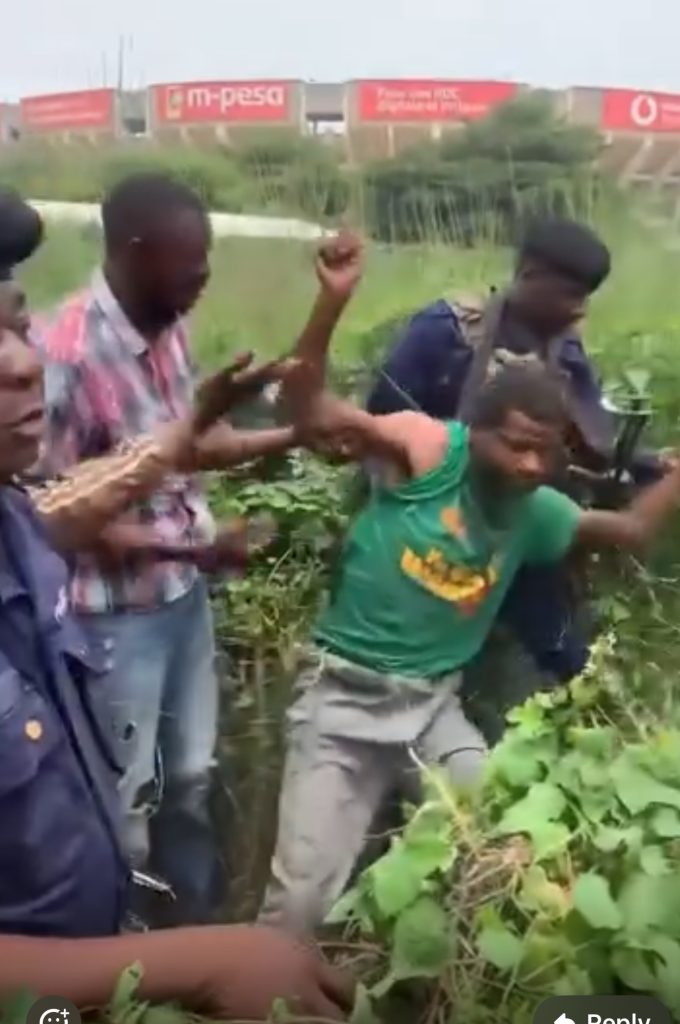
The streets of Kinshasa are tense, the air thick with fear. Reports of targeted killings have begun to surface, whispered among residents and passed through hurried messages on social media. The victims? Men, women, and children who speak Kiswahili, Kinyarwanda, Kinyamulenge, Kibembe, and other languages tied to eastern Congo. If the allegations are true, what is unfolding in the capital is nothing short of a deliberate, state-orchestrated campaign of ethnic violence.
For the past week, Kivu Today has been receiving disturbing accounts from multiple sources—local authorities, military insiders, and terrified residents. Audio messages have been intercepted of officials giving chilling instructions: “Kill everyone. Burn them.” Videos show gruesome scenes—men being stoned to death in broad daylight, their lifeless bodies left on the pavement as crowds look on. In one particularly horrifying case, a man was chased through a market and beaten to death while police officers stood idly by, doing nothing.
A 34-year-old teacher from Goma, who had moved to Kinshasa for work, told Kivu Today in a trembling voice:
“I don’t leave my house anymore. My neighbors look at me differently now, as if I don’t belong here. They know I speak Kiswahili. Yesterday, I heard them whispering: ‘He’s one of them.’”
Another source, a young mother who fled from Bukavu, described how her husband was dragged from their home two nights ago.
“They didn’t even ask questions. They just took him. I heard screaming, and then silence. When I ran outside, I saw blood on the ground. My husband is gone, and I don’t know if he’s dead or alive.”
The panic is real. Families are locking their doors. Kiswahili-speaking shop owners are abandoning their businesses. Some are trying to flee, but where can they go? The Congolese security forces, instead of offering protection, appear to be either complicit or indifferent.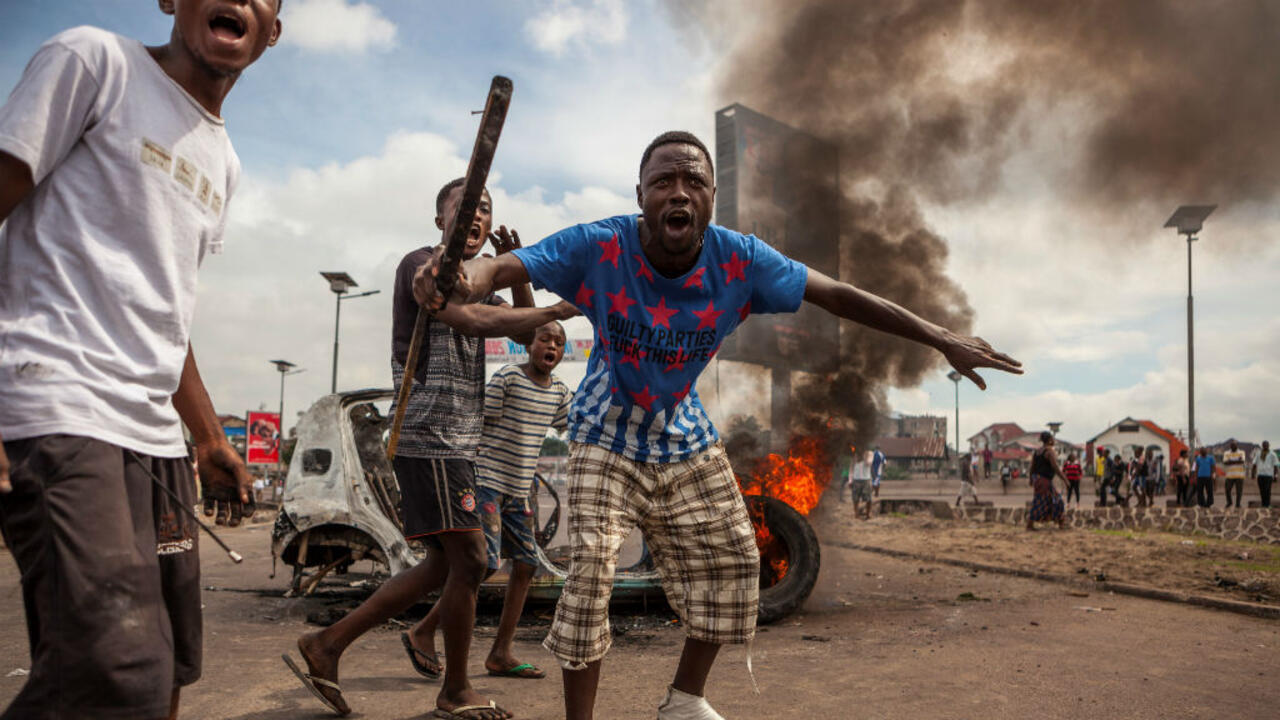
Prominent activist Jean-Claude Kamele, who has been documenting ethnic violence in Congo for over a decade, warns that these killings are not isolated incidents but part of a larger, coordinated campaign.
“What is happening is not spontaneous mob violence. It is a well-planned, systematic purge,” Kamele explains. “The government is using coded language to incite hatred, and the people receiving these messages understand exactly what to do. This is how genocide begins.”
Kamele points to President Félix Tshisekedi’s recent speeches, where he has blamed eastern Congolese populations for the ongoing crisis in the country. According to leaked reports, Tshisekedi has labeled these communities as “pro-Rwanda” and traitors.
“This is classic scapegoating,” Kamele says. “Tshisekedi is facing growing anger over his failure to control the war in the east, so instead of solving the crisis, he is turning his own people against each other. We saw this happen in 1994 in Rwanda. We are seeing it again now.”
The activist warns that the methods being used—stoning, machetes, and burning people alive—are terrifying echoes of past atrocities in the region.
“This is how the Rwandan Genocide started,” Kamele says. “In 1994, the Hutu-led government encouraged ordinary civilians to attack their Tutsi neighbors. They used the radio to spread hate, they armed militias, and they told people to kill their friends and colleagues. Now, in Kinshasa, we are seeing the same playbook being used. The government doesn’t even need to use its own soldiers—they are letting the mobs do the killing for them.”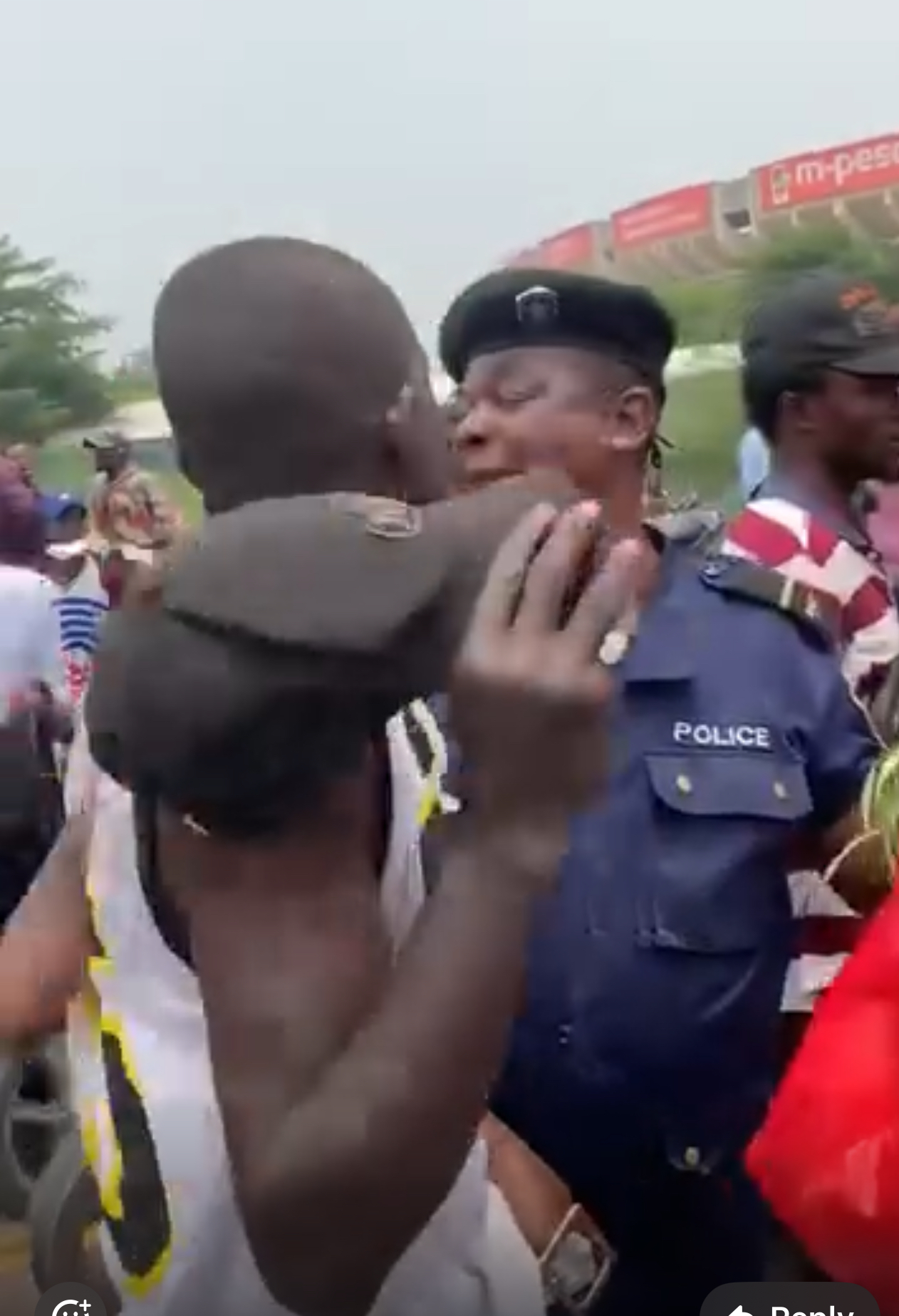
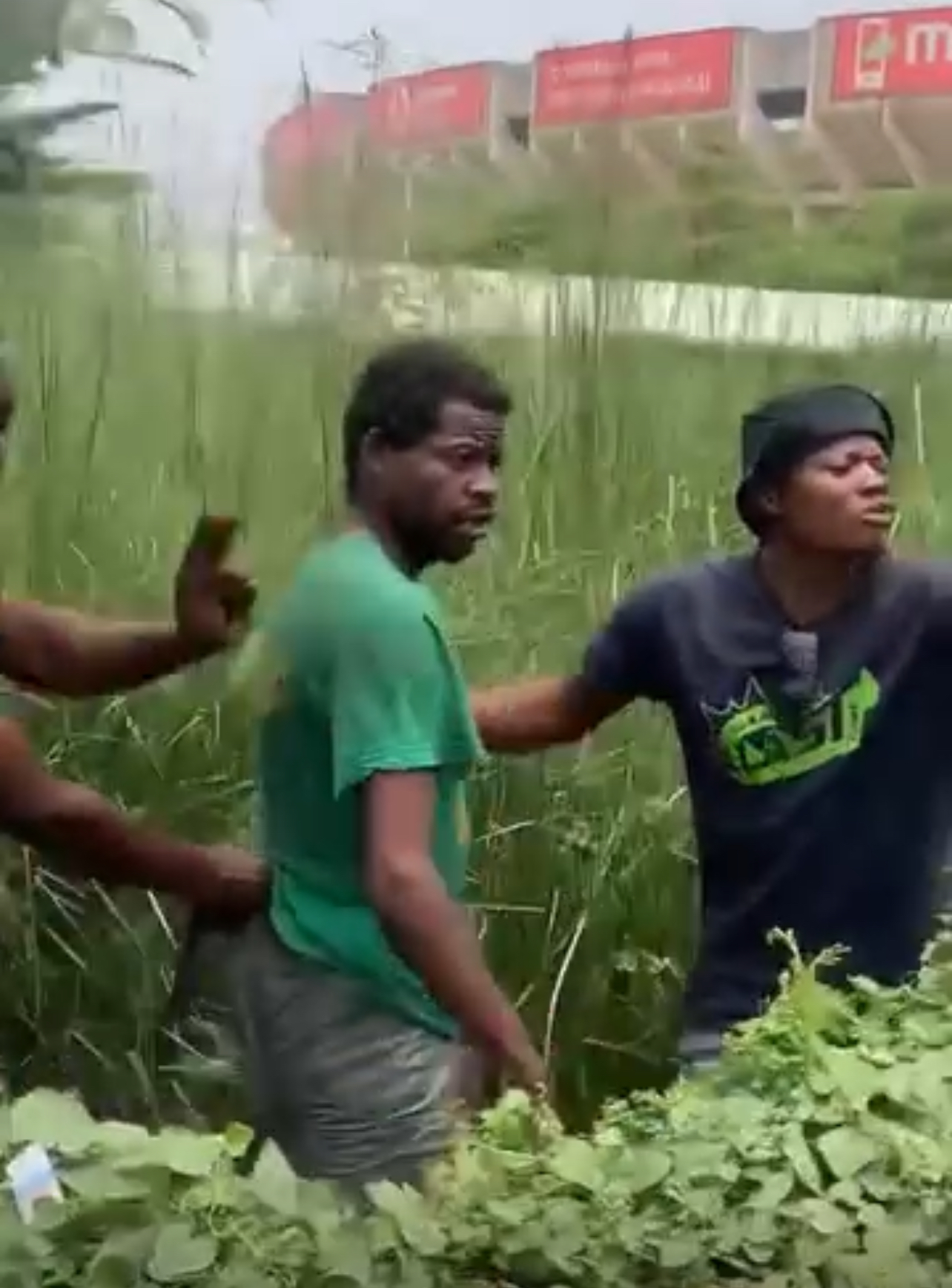
The inaction of security forces is another alarming factor. Videos and witness testimonies suggest that police officers are either standing by or actively participating in the violence.
“We have footage of a man being stoned to death in the middle of a busy street while police officers watch,” Kamele says. “In another video, we see security forces laughing as a house is set on fire, knowing there are people trapped inside. This is not negligence. This is complicity.”
Despite the growing evidence, there has been no official response from the Congolese government or international bodies like the United Nations. Kamele fears that without immediate intervention, Kinshasa will descend into full-scale ethnic cleansing.
“The world ignored Rwanda in 1994 until it was too late,” he says. “How many more bodies need to be found in the streets before the world takes action? How many innocent people must die before we call this what it is—an extermination campaign?”
For now, Kiswahili-speaking families in Kinshasa live in terror. They do not know if they will survive the night. The question now is: Will the world pay attention before it is too late?