


Congolese and Burundian forces bombarded M23-controlled areas of eastern DRC just hours before the signing of the recent peace agreement, according to new evidence and testimonies from civilians who fled into Rwanda to escape the shelling.
The strikes, which continued into the morning of the ceremony, have raised sharp questions about Kinshasa’s conduct ahead of the deal and its commitment to the ceasefire.
Hundreds of Congolese crossed into Rwanda seeking safety after what local residents and aid workers described as heavy artillery fire from positions of the Congolese army (FARDC), supported by Burundian troops operating inside South Kivu.
The bombardments targeted zones controlled by M23, contradicting President Félix Tshisekedi’s later claims that Rwanda had violated the agreement first.
In a nationally televised speech, Tshisekedi accused Rwanda of launching attacks from the border town of Bugarama, alleging strikes on Kaziba, Katogota and Lubarika.
But civilians fleeing the assault reported no Rwandan presence in the area and described the incoming fire as originating from FARDC and allied Burundian units.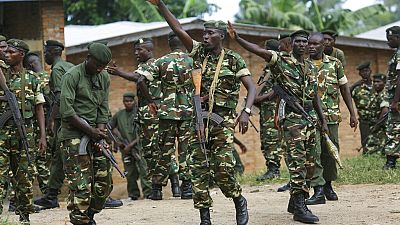
Rwanda does not have troops in the DRC, a fact acknowledged by regional observers and international partners.
Tshisekedi also cited past findings of the UN Group of Experts to accuse Rwanda of controlling M23.
However, the most recent UN report referenced, published in June and September 2025; has been widely criticized by independent analysts and diplomatic sources for being biased, unverifiable in key sections, and misleading.
Experts say Tshisekedi’s decision to recycle disputed material immediately after signing a peace deal “indicates bad faith, political theatrics, and a trivialization of the very agreement he claims to defend.”
Regional analysts warn that the president’s narrative contradicts emerging evidence from the ground, especially the testimonies of displaced Congolese who fled into Rwanda in the hours before Tshisekedi’s speech.
Despite the mounting contradictions, Tshisekedi insisted the DRC remains committed to peace while defending sovereignty.
He said the Washington Joint Declaration “opens a new path… where peace is once again within reach,” and pledged that the government “will remain vigilant… lucid, but resolutely optimistic.”
Diplomatic actors involved in the Washington agreement are now assessing the impact of both the pre-agreement bombardments and Tshisekedi’s subsequent rhetoric, which many fear could undermine the fragile momentum built during the mediation.