

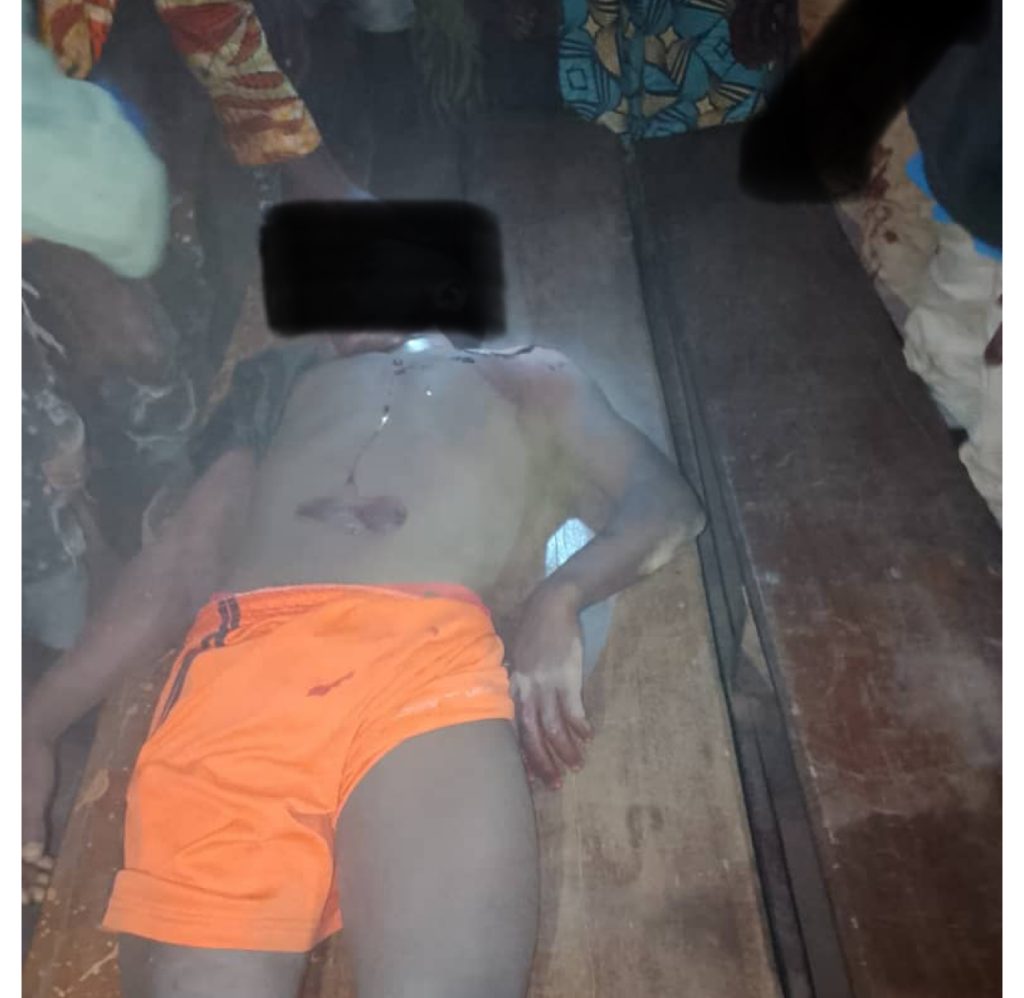
A member of the Armed Forces of the Democratic Republic of the Congo (FARDC) shot and killed a fellow soldier at approximately 7:00 PM on Wednesday, February 25, 2026, in Djugu territory, Bahema Badjere chiefdom, according to local sources.
The fatal shooting reportedly stemmed from a dispute over money allegedly borrowed by the victim. Witnesses indicated that tensions between the two soldiers escalated before the alleged perpetrator opened fire. The suspect was immediately subdued and arrested by other FARDC personnel present at the scene.
However, the incident triggered a series of violent events that significantly worsened the security situation in the area.
Following the killing, FARDC troops reportedly directed gunfire toward the Plein Savon displaced persons camp, an area hosting vulnerable civilians who have already been uprooted by ongoing conflict. Several civilians were injured, and there were reports of fatalities, although the exact number of casualties remains unconfirmed. The gunfire sparked widespread panic among camp residents, many of whom fled in fear.
Tensions further escalated when heavy weapons were reportedly aimed at a nearby camp of the Uganda People’s Defence Force (UPDF). Exchanges of fire subsequently broke out between FARDC and UPDF forces. The two armies are partners in joint security operations in parts of eastern Democratic Republic of the Congo, making the confrontation particularly concerning.
Community leaders and civil society representatives have strongly condemned the chain of events, describing the actions as dangerous and irresponsible. They warn that displaced persons living around the UPDF camp remain exposed to grave risks if discipline within the forces is not urgently restored.
Local actors have also criticized what they describe as poorly issued orders and command failures that are exacerbating insecurity in Djugu territory. Responsibility for restoring discipline and ensuring civilian protection ultimately falls to provincial authorities under the leadership of Governor Johnny Luboya Nkashama, they say.
Civil society groups are calling for an independent investigation to establish individual and command-level responsibility for the violence. They emphasize that accountability is essential to prevent further incidents and to deliver justice to victims.
The events underscore the fragile security environment in Ituri province, where civilians continue to bear the brunt of instability. Observers stress that the protection of displaced persons and other noncombatants must remain an absolute priority under both national and international humanitarian law.
Investigations are expected to clarify the sequence of events and determine responsibility in the coming days.