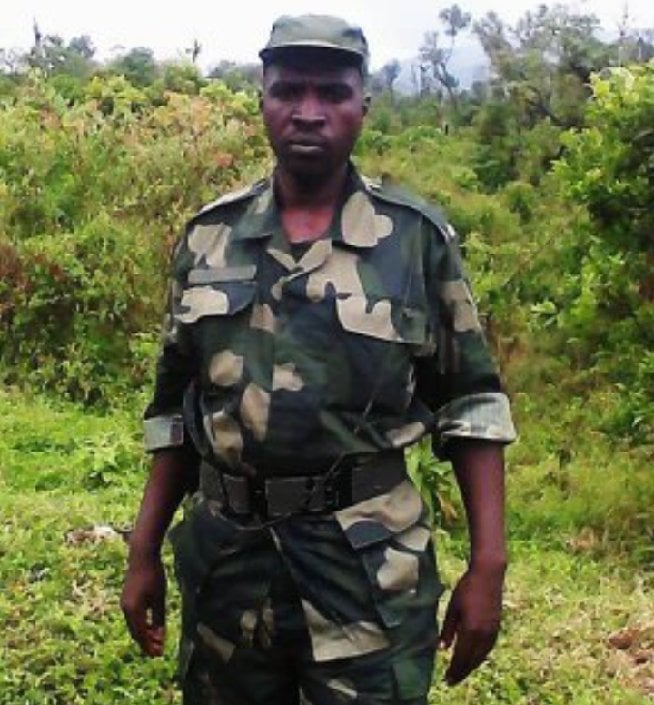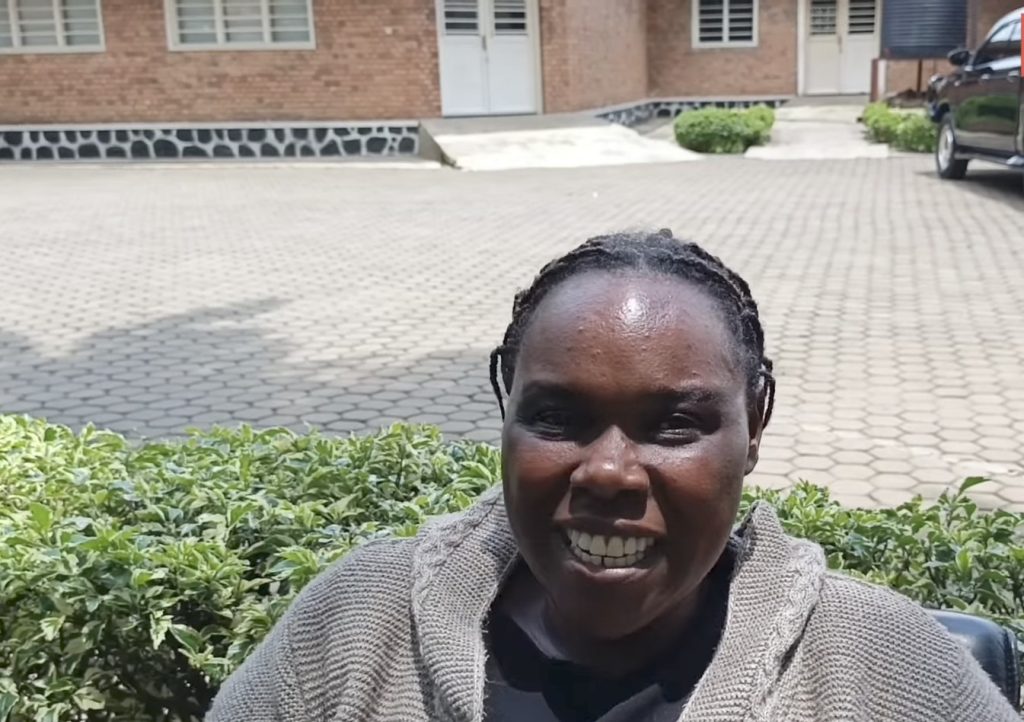
After months of speculation and heated online debates over her alleged abduction in eastern Democratic Republic of Congo, KT Press has reported that Claudine Mukamana — widow of the slain FDLR commander Colonel Protogène Ruvugayimikore, widely known as Ruhinda Gaby — has resurfaced alive and well in Rwanda.
Contrary to social media claims that she was kidnapped, Mukamana is reportedly living safely and quietly in Rwanda, the very country her late husband spent decades fighting.
Her reappearance has silenced months of misinformation circulated by anti-Rwanda activists who accused Rwandan forces or their allies in eastern Congo of abducting her and her family.
According to KT Press, Mukamana and her children voluntarily crossed into Rwanda several months ago, seeking peace and stability after years of life in conflict zones. They are now receiving assistance as they reintegrate into civilian life.
The Spark That Fueled Misinformation
The controversy began in March 2025 when a Rwandan exile based in Canada, Nadine Kasinge, posted alarming messages on X (formerly Twitter), alleging that Mukamana and her seven children had been “abducted by RDF/M23 soldiers” from their home in Goma. The posts quickly spread among pro-FDLR and anti-Rwanda networks, with many users speculating that Mukamana had been killed or detained secretly in Rwanda. None of these claims was ever substantiated.
The Man Behind the Name
Colonel Ruhinda, Mukamana’s late husband, was among the most notorious figures in the Democratic Forces for the Liberation of Rwanda (FDLR), a rebel group composed largely of elements responsible for the 1994 Genocide against the Tutsi.
Born in 1970 in what is now Nyabihu District, Ruhinda had once been a teacher and veterinary technician before joining the genocidal government army in 1994.
Following the genocide, he fled to the former Zaire (now DRC), where he joined the Armée de Libération du Rwanda (ALIR), which later became the FDLR.
Over the years, Ruhinda rose through the ranks to become commander of the FDLR’s elite Commando de Recherche et d’Action en Profondeur (CRAP) — a unit responsible for cross-border attacks and sabotage operations.
UN reports repeatedly cited him for organizing military operations in coordination with Congolese forces (FARDC) and for attacks targeting Rwanda, including rocket shelling in 2022. In 2023, the UN Security Council sanctioned him for his role in destabilizing eastern Congo.
Ruhinda was killed in December 2023 during clashes between M23 rebels and FARDC-FDLR forces in Masisi Territory, North Kivu. His death ended a 30-year rebellion career and sent shockwaves through FDLR ranks.
Life After the Rebellion
Following her husband’s death, Mukamana decided to abandon life in exile. In interviews cited by KT Press, she described years of hardship in the jungles of eastern Congo — years defined by fear, uncertainty, and indoctrination by the FDLR.
“I have spent many months without hearing the sounds of gunfire. It is the first time I have spent this long without hearing such sound in my life,” she said. “It is so peaceful here. The children love it here because it is safe. They have friends and have gone back to school. I have peace of mind — I no longer have to hide.”
Mukamana recounted that she fled Rwanda in 1994 and later joined militia training camps in Congo. At 19, she married Ruhinda — a decision that defied FDLR’s strict ban on marriage. “He was punished with 300 lashes,” she revealed, laughing softly. “After that, we were expelled from the camp and moved to Rutshuru, then Goma.”
Before she departed for Rwanda, Mukamana said she lived relatively comfortably in Goma until M23 rebels advanced toward the city. FDLR families fled, but she stayed behind, already planning to return to Rwanda. “Rumours started circulating that I had become an agent of the government of Rwanda,” she said. “Even women I knew — wives of FDLR commanders — changed their phones so that I could not contact them.”
Today, she remains cautious about revealing details of her family’s whereabouts, saying her daughter still lives in Goma and could be targeted by FDLR operatives.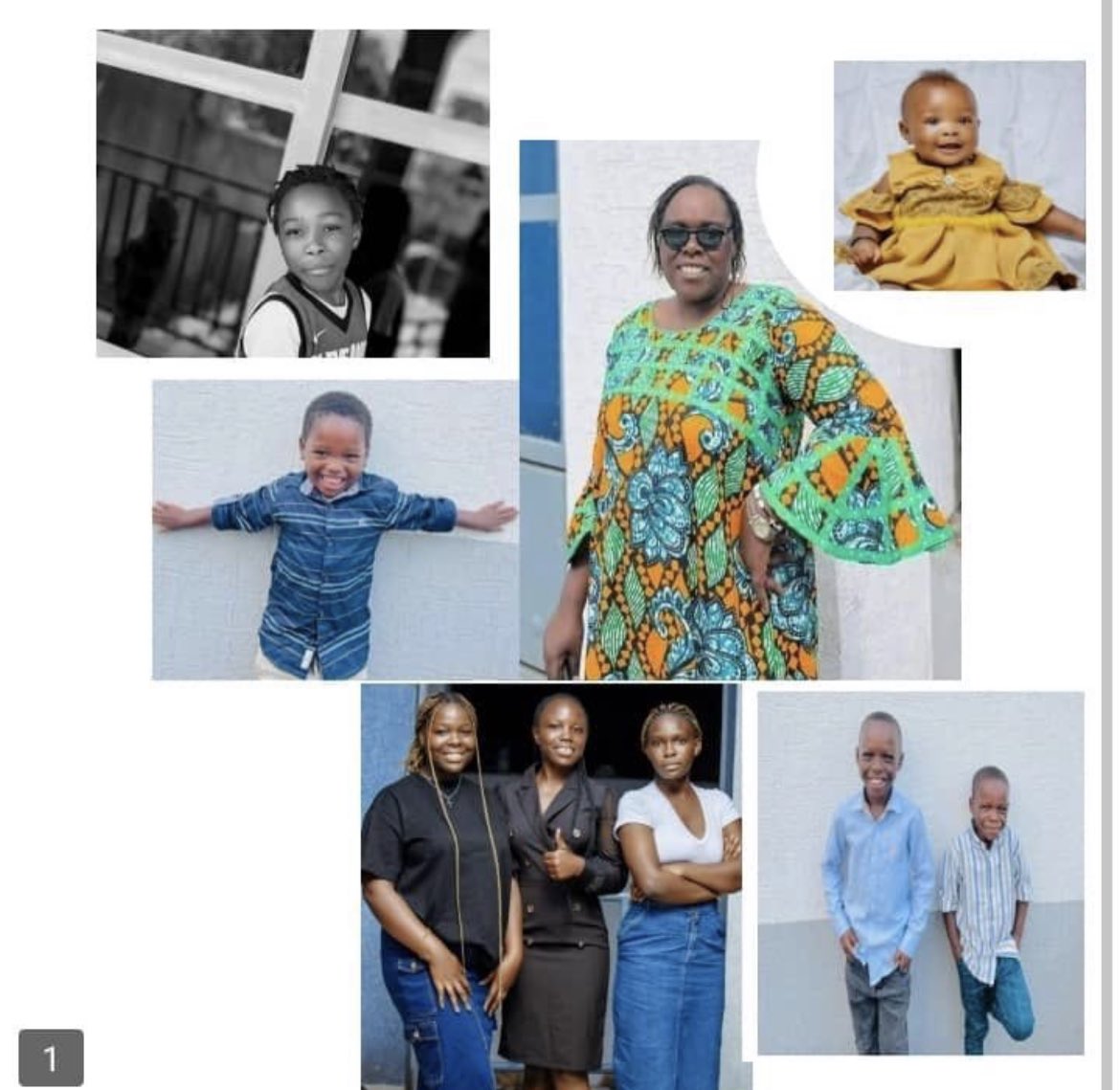
The End of a Chapter
Mukamana said she does not know the precise details of her husband’s death but is convinced it resulted from internal rivalries within the FDLR. “Most of the top commanders are not married,” she explained, “because they say they will marry only after they ‘take back Rwanda’.”
Her calm new life in Rwanda stands in sharp contrast to her husband’s legacy of rebellion. The irony is profound: the family of a man who fought for Rwanda for decades now lives under its protection, in peace and dignity.
Analysts say Mukamana’s story represents a broader trend of disillusionment among FDLR families. Many, after years in Congo’s lawless territories, have chosen to return home, rejecting the group’s ideology of vengeance and return by force.
As KT Press concludes, the case of Claudine Mukamana highlights the growing futility of anti-Rwanda propaganda that thrives on falsehoods. Her peaceful return — after decades of fear and misinformation — marks the quiet end of yet another chapter in the long and tragic history of Rwanda’s post-genocide conflict narrative.