

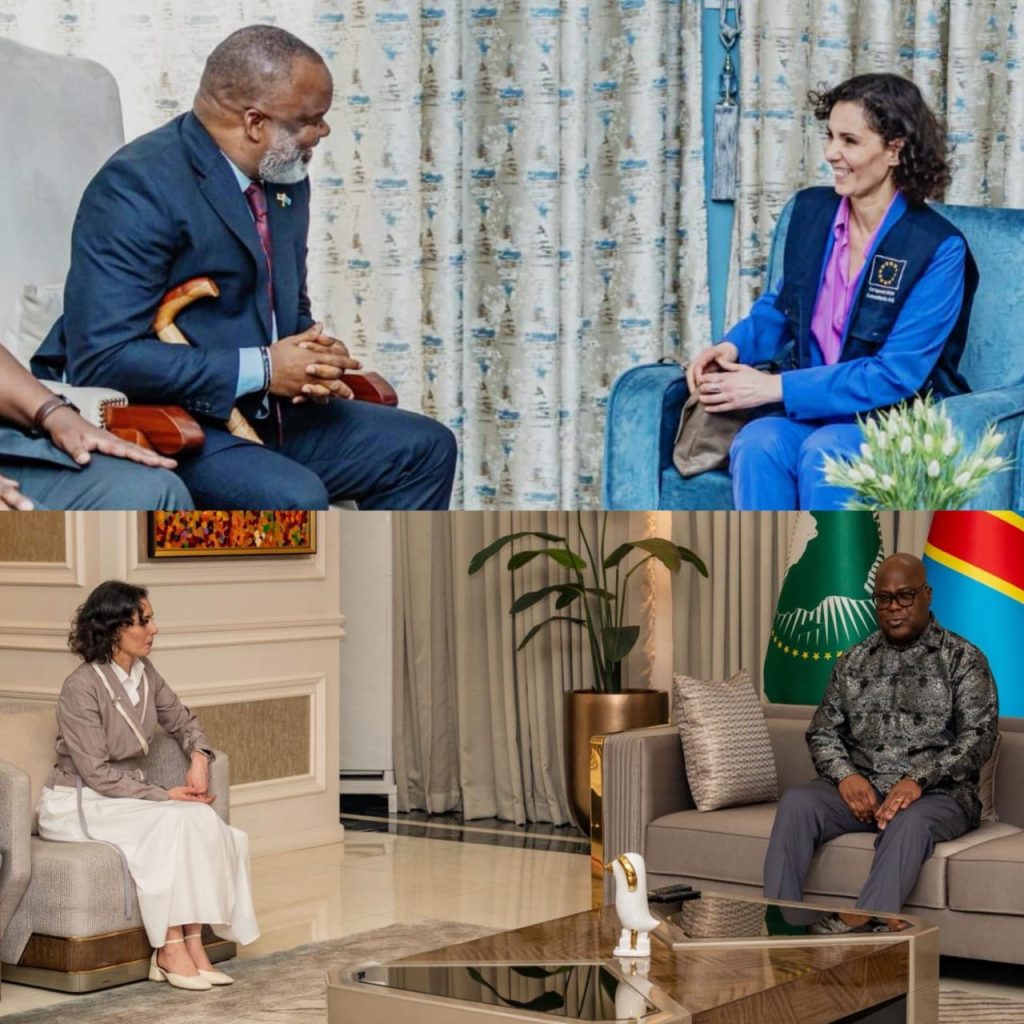
The political-military movement AFC/M23 is positioning itself at the center of what it describes as a renewed diplomatic approach in the Democratic Republic of the Congo, shifting the focus of engagement from distant capitals to the realities on the ground in eastern Congo.
For years, discussions about the Congolese crisis largely unfolded in Kinshasa or in international diplomatic circles abroad.
Official statements, high-level meetings, and repeated pledges of reform dominated the narrative, while, according to AFC/M23, the situation in territories under its control remained insufficiently understood by regional and international actors.
In 2026, a year the AFC/M23 political coordinator had earlier described as one of “actions, victories, and progress,” the movement has sought to redefine how diplomacy is conducted in relation to the conflict.
Instead of engaging primarily through formal channels in the capital, AFC/M23 has encouraged diplomats and observers to travel to Goma and surrounding areas to assess conditions firsthand.
Movement officials argue that understanding the Congolese crisis requires direct engagement with communities in areas they describe as liberated and administered under their authority.
They maintain that narratives about these territories have often relied on information from Kinshasa without incorporating perspectives from local populations.
In Goma, AFC/M23 has sought to transform meetings with visitors into opportunities to present what it calls the “realities on the ground.”
According to the movement, this approach prioritizes listening, observation, and immersion over what it characterizes as symbolic or ceremonial diplomacy.
The group contends that legitimacy and credibility stem from engagement with local communities and from acknowledging grievances that have fueled conflict in eastern Congo.
Through this strategy, AFC/M23 aims to position Goma not merely as a geographic focal point of the crisis, but as a center for dialogue and political reflection on the country’s future.
While the broader political and security situation in eastern DRC remains complex and contested, the movement’s efforts signal an attempt to reshape the diplomatic narrative by drawing international attention directly to the region it controls.
Observers note that whether this strategy translates into broader recognition or progress toward lasting peace will depend on developments on the ground and the responses of the Congolese government, regional actors, and international partners.