

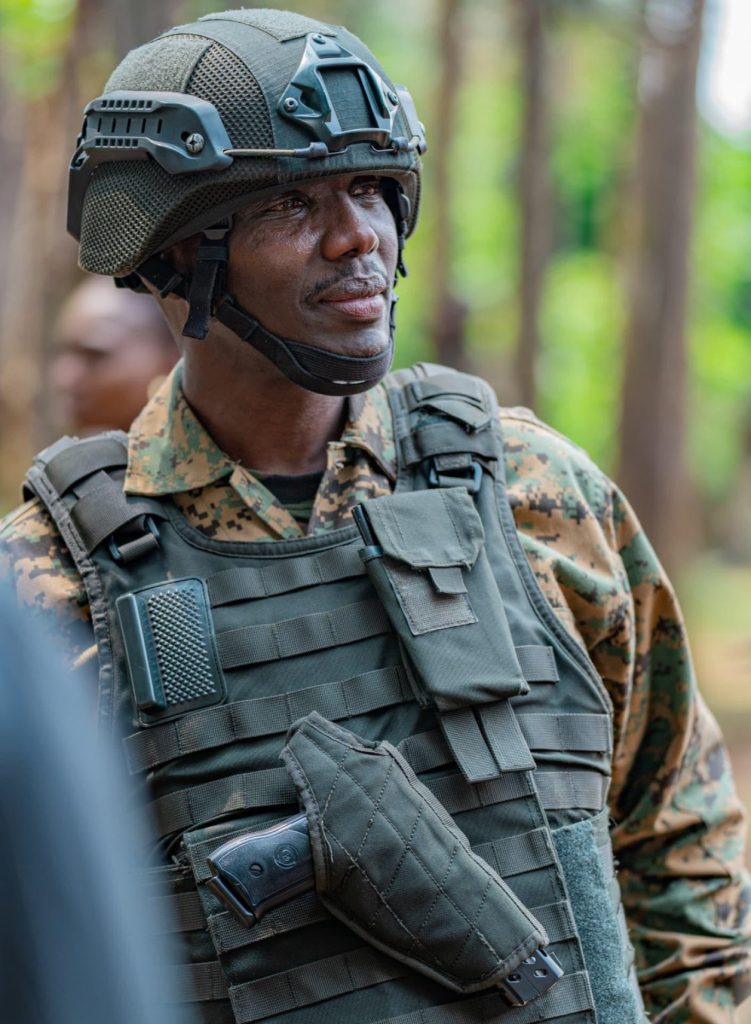
Under a gray a sky, heavy with anticipation, about 10,000 M23 (now ARC) recruits stood in perfect formation, boots pressed into the red earth of the Tshanzu training ground in Northern Kivu.
After months of grueling drills, hunger, rain, and relentless discipline, the moment had come. The man they had waited for; Afande Makenga, stepped forward.
His voice, steady and commanding, echoed through the field in Kiswahili, the language of command and brotherhood that binds soldiers across the Great Lakes region. Kiswahili, long regarded as the military language of East Africa, carries both authority and emotion; and on this day, it carried the weight of a revolutionary creed.
The speech was a blend of command, conviction, and national appeal. Here below is the full speech.
“Today, I have come here to announce that your training is over. From this day forward, you are officially part of the Congolese Revolutionary Army (ARC). I repeat: from today, you are soldiers of the ARC — the army of liberation, an army that fights to bring change to this country.
Our country has been destroyed for too long by the government in Kinshasa, led by Tshisekedi — a regime that destroys the nation, loots it, and kills civilians as it wishes, based on its own laws and interests, turning Congolese into refugees and transforming our nation into private property. That is why the M23/ARC rose up: to end this bad governance and bring change to our nation.
Your comrades who have already been deployed in other areas have done remarkable work. You will soon join them, support them, and unite with them to overthrow this bad regime.
Our country needs liberation. All Congolese people want to be free, and that is our mission — as the M23 movement and as the ARC army. This is our mission; we must accomplish it so that our country regains its honor, rebuilds the nation, and allows its citizens to live with dignity under a strong, professional army that serves the people.
Let us reject all negative attitudes: stupidity, tribalism, theft, corruption, and anything that destroys society. Our goal is for citizens to live in peace. When that happens, you will be respected because you will have brought change to this country.
This is hard work; it is not easy. It requires great patience, exemplary discipline, and total dedication to your country and the Congolese people, who have suffered so much. That is how you will earn respect — not by stealing where you are deployed, because those communities have already suffered enough.
In every area you pass through, the people must see you as liberators, not as bandits. That will depend on your behavior. If you act like bandits, you will be fought, and it will not be tolerated.
I don’t have anything else to say. You have received sufficient training; you now know what to do and what not to do. Very soon, we will put an end to this bad governance. Are you ready?
Thank you, and I wish you good work.”
The recruits, their faces glistening with sweat and pride, stood still as the echoes of his words settled over the parade ground. The speech, though simple, carried the weight of conviction and defiance. It was both a command and a creed — discipline, loyalty, and national liberation forged into one doctrine of revolutionary faith.