

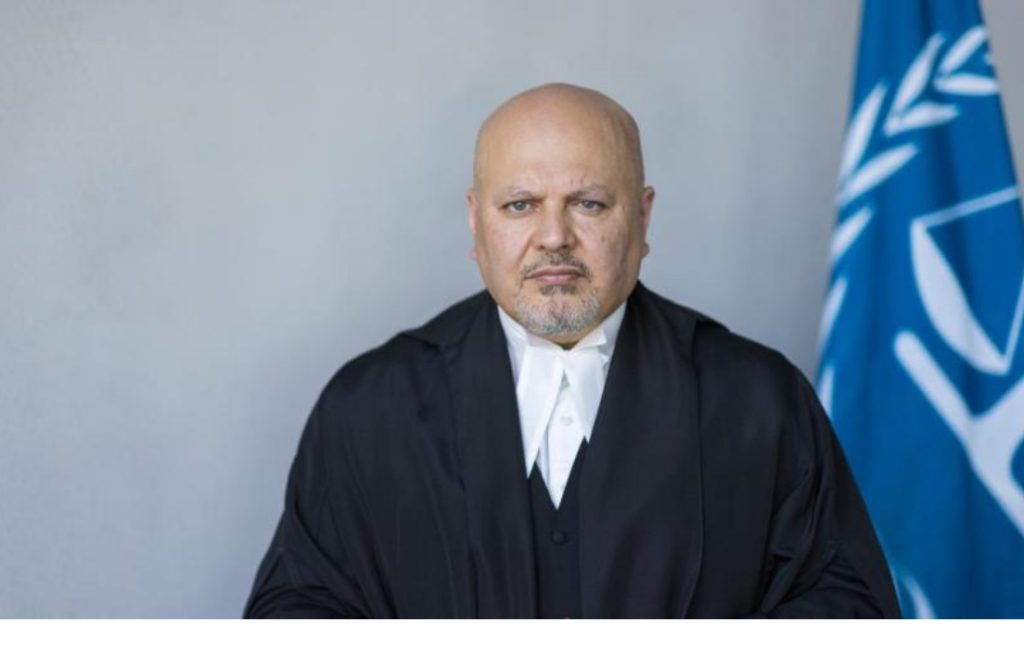
The International Criminal Court (ICC) is facing a serious operational crisis after the United States imposed sweeping sanctions in response to the Court’s indictment of Israeli Prime Minister Benjamin Netanyahu for alleged war crimes and crimes against humanity in Gaza.
According to the Associated Press (AP), the sanctions have paralyzed the Court’s ability to function.
The ICC’s chief prosecutor has lost access to official email accounts, and institutional bank accounts have been frozen.
American members of the Court have been warned that they could face arrest if they travel to the United States.
The situation has also disrupted cooperation with several international NGOs—some have ceased communication with ICC officials entirely.
The indictment, issued on November 21, 2024, has sparked widespread political backlash, particularly from Israel and its allies.
In parallel, some observers have questioned the Court’s approach, raising concerns over its interpretation of the conflict’s context and whether the legal process has upheld standards of fairness and impartiality.
Critics argue that broader geopolitical dynamics may be influencing prosecutorial decisions.
This latest turmoil threatens the ICC’s credibility and independence at a time when international justice is already under strain.
With key operations stalled and diplomatic tensions rising, the future of the Court’s ability to hold powerful actors accountable remains uncertain.