A recent field report from the Rubaya coltan mine in eastern Democratic Republic of Congo is challenging long-standing narratives about so-called “conflict minerals,” arguing that current realities on the ground are more complex than commonly portrayed.
The report, documented by journalist Teddy Mazina, focuses on the Gacombé mining site in Rubaya, a region long associated with instability and armed group activity.
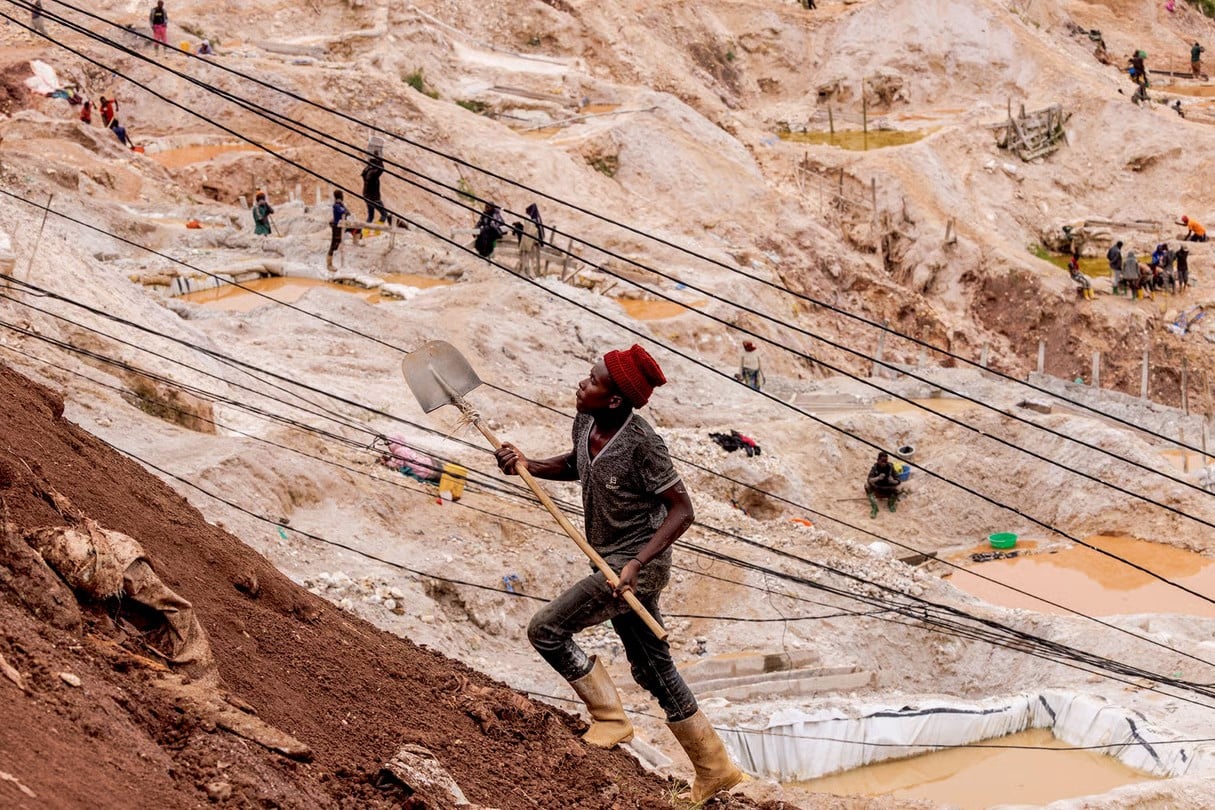
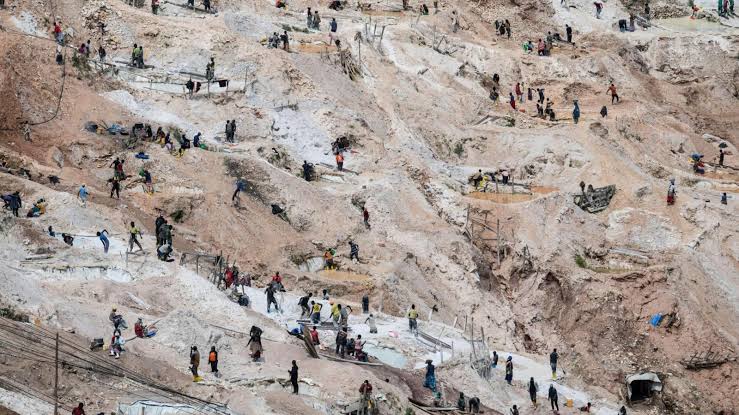
According to the findings, the mine is now operating as an artisanal, community-driven enterprise involving thousands of local diggers and traders, with no visible presence of armed actors.
Observers attribute the shift to the takeover of the area by AFC/M23, which reportedly pushed out a coalition of Congolese government forces and Burundian troops.
Since then, the report states, armed groups such as, FDLR and FDNB have withdrawn from the mining zone.
The mine now operates through a structured supply chain: miners extract and wash coltan, traders purchase and transport it to market, where it is certified and taxed.
Around this activity, a local economy has developed, including families, schools, and small businesses that depend on mining income.
One of the most notable changes highlighted in the report is the improvement in working conditions. Daily earnings for miners have reportedly increased from around $1 to between $5 and $10.
The report also claims that children and vulnerable groups, previously involved in mining, are no longer present in the pits and have returned to school.
Importantly, AFC/M23 is said to have enforced a policy preventing its fighters from participating in or interfering with mining operations, maintaining a separation between security control and economic activity.
Historically, Rubaya and its surrounding areas have been contested by multiple armed factions, including Nyatura and Mai-Mai, as well as foreign military actors. These groups were often accused of exploiting mineral resources for profit.
The new report disputes the characterization of Rubaya’s coltan as “blood minerals,” arguing that there are currently no weapons or armed personnel present at the mining site, and that labor is voluntary rather than forced.
It also challenges a widely circulated claim that coltan from Rubaya is a primary driver of the ongoing conflict in eastern Congo or that it is systematically smuggled into neighboring countries such as Rwanda.
Instead, the report points to deeper structural issues, including unresolved refugee return processes and persistent ethnic tensions, as the root causes of instability.
While the findings offer a different perspective on Rubaya’s current situation, analysts caution that conditions in eastern DRC remain fluid and contested, and that broader verification from independent sources is essential to fully assess the evolving dynamics on the ground.