

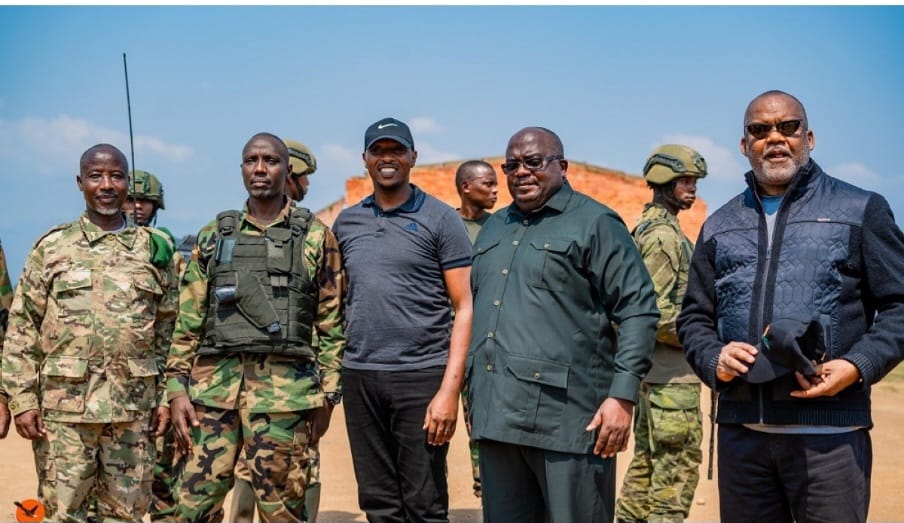
Thank you for joining us today. Let’s start from the beginning. Can you tell us about your journey before holding office?
Vice Governor Manzi: Sure. I was born in Congo, in a family with strong roots. My father was a hardworking man who always dreamed of a better future for us. My mother was strong, nurturing, and kept the family together. I had siblings, but our childhood was marked by tragedy: my father was killed during the conflicts that tore our country apart. That loss shaped me deeply — I realized from a young age that life can be unfair, but we still have to find ways to rise and serve our community.
That must have been incredibly difficult. How did you continue from there?
Vice Governor Manzi: After my father’s death, I had to learn resilience very early. My journey began in exile. I fled Congo through Rwanda and eventually reached Canada. Even while abroad, I never stopped keeping Congo and its problems at heart. I followed developments closely, participated as a cadre abroad, and tried to support efforts for stability and justice back home. Connecting diaspora communities, raising awareness, and supporting initiatives for our people from afar. I also had opportunities to visit the struggle before the capture of Goma, which gave me firsthand insight into the situation on the ground. Actually, i was here in November last year 2024.
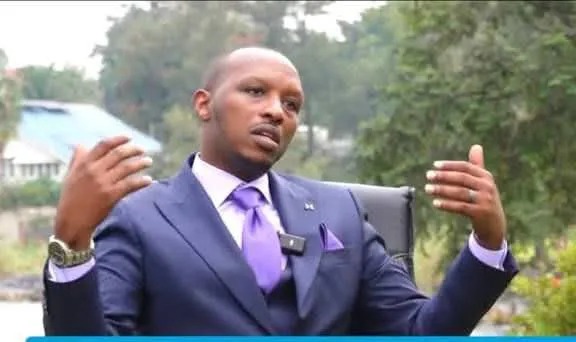
How did your work in Canada shape your perspective on leadership and Congo?
Vice Governor Manzi: In Canada, I was involved in youth programs evaluating government support for immigrant communities. I led a team called Warawa and participated in international platforms like TEDx and the One Young World summit. I met global leaders like Muhammad Yunus, John Rando, Emma Watson, Chris Hadfield, and Kofi Annan.
I organized fundraising for Syrian refugees and schools in Somalia, and eventually started Heroes of Peace, focused on education, healthcare, and economic empowerment for Congolese youth. These experiences taught me that real change comes from systems, policies, and empowered communities, not just good intentions.
At what point did you decide to return to serve in AFC|M23 Struggle?
Vice Governor Manzi: Initially, I had a plan to come back for a training program on the 8th, to better understand governance and administration. But in the midst of those preparations, the General Makenga himself called me to serve as Vice Governor. That was unexpected, humbling, and a huge responsibility. I had long talked with my wife about the risks and sacrifices. We prayed, reflected, and decided to answer the call — it was bigger than any personal plan or comfort.
What was it like to come back to Congo after your time abroad?
Vice Governor Manzi: The journey back was intense. I escaped through Rwanda to ensure my safety, and eventually returned to serve. I kept the country’s problems close to my heart — every project, every policy, every conversation was about improving the lives of ordinary Congolese. I had witnessed the struggles firsthand, both before the capture of Goma and during my time abroad as a cadre mobilizing support.
When you first arrived in your province, Goma in particular, what were the major problems you found on the ground?
Vice Governor Manzi: There were several pressing issues. Security was critical — while M23 has played a role in restoring peace and stability in eastern Congo, there were other armed groups causing instability, including certain government-aligned forces, Wazalendo, FDLR, Mai Mai, to mention just a few. Economically, local businesses were struggling, and unemployment was high. Infrastructure was lacking: roads, electricity, and access to clean water were limited. On top of that, we had a significant number of refugees and internally displaced people who wanted to return home but needed safe conditions and support.
How did you approach these problems? Did you work with specific teams or advisors?
Vice Governor Manzi: Yes, we immediately started by mapping out each sector. For security, our force worked with local leaders and general population to ensure protection of civilians and strategic control of unstable areas. For the economy, we engaged with local entrepreneurs and investors, encouraging microfinance initiatives and small business growth. Infrastructure required detailed planning — we prioritized road rehabilitation, electricity access, and clean water projects.
What about returning refugees? How did you envision supporting them?
Vice Governor Manzi: For refugees, it was about creating safe pathways and sustainable reintegration. We worked with UNHCR, local councils, community leaders, and NGOs to ensure Shelter, education, and healthcare. The goal was to make returning home not just possible, but dignified.
Given all these challenges, how do you decide whose model to follow or learn from?
Vice Governor Manzi: That’s why I study leaders like President Kagame. Rwanda’s recovery and development are instructive. He rebuilt a nation from nothing — strong security, policies, infrastructure, and governance that serves the people. From him, I learned:
1. Engage directly with citizens, even the most vulnerable.
2. Hands-on leadership, not office-bound.
3. Fearlessness, making decisions for legacy, not personal gain.
4. Systematic governance, with policies that hold every dollar accountable.
Rwanda showed me what Africa can achieve. If Rwanda can rebuild, Congo can too.
How do you apply these lessons in GOMA?
Vice Governor Manzi: We have open-door policies, where citizens can voice concerns, and we act on them. We focus on education, healthcare, and rural development. Urban areas are being redesigned to be functional and public-friendly. Investments in electricity, roads, and local processing of raw materials are underway. We learn from successful models abroad, adapt them, and improve them. Governance is about service, not accumulation of wealth.
What keeps you awake at night?
Vice Governor Manzi: It’s not the calls for help anymore — now it’s the joy of planning solutions: improving justice systems, developing villages, attracting investors, building hospitals and schools, and redesigning cities. Every brick laid contributes to the foundation of a prosperous Congo.
Finally, what message do you have for visitors or investors?
Vice Governor Manzi: GOMA is safe, clean, and full of potential. There are opportunities for business, innovation, and cultural exchange. Our diaspora should see Congo as a place to return to, invest in, and help grow. Leadership is about legacy — serve your people, empower youth, and build a nation that future generations can be proud of.