

On October 31, Kinshasa released a lengthy communiqué accusing the M23 rebel movement of killing more than a hundred civilians, raping over two hundred women, and abducting one hundred young men during October. Within hours, phones across eastern Congo were buzzing with a familiar question: “Show us the bodies.”
The report listed precise details — towns, hospital records, even individual victims — in territories the government itself describes as “occupied” by M23. Critics quickly noticed the contradiction: how could Kinshasa count crimes in areas where its own officials have no access? The figures also mirrored a June communiqué almost word-for-word, suggesting the data had been recycled.
Locals in the cited areas told a different story. The alleged mass abduction of one hundred youths in Bukavu supposedly occurred at Camp Sayo — a public park that hosts children’s parades and school graduations. Parents shared videos of recent weekend events to disprove the claim. “If our children were kidnapped,” one mother asked, “who danced here last Saturday?”
Residents of Bishusha, listed as a massacre site, said they were equally surprised. “The only bodies buried here were goats after the football final,” a farmer said by phone.
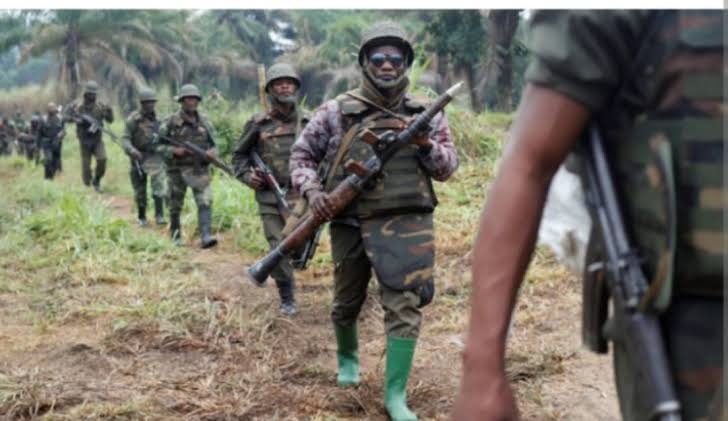
Meanwhile, independent observers report a surge in real fighting far from Kinshasa’s described events. In South Kivu, clashes between FARDC troops and M23-aligned forces have intensified, with drones and heavy artillery regularly striking contested positions and surrounding villages.
Hundreds of families have fled Minembwe and nearby hills after a wave of fires and shelling destroyed homes.
M23 is still assessing the full extent of civilian losses and property damage.
A MONUSCO situation report dated October 29 attributed most civilian shelling incidents in North Kivu to government artillery, not M23. The same report noted that M23’s mortar fire appeared to target military outposts rather than populated zones.
While Kinshasa’s communiqué dominated headlines, it made no mention of other confirmed violence elsewhere: at least forty civilians killed by CODECO militias in Ituri, nineteen women assaulted by FDLR elements in Walikale, and a viral video showing an army officer executing two teenagers in Beni.
Analysts say this pattern of sensational announcements often coincides with political or military setbacks for the government.
With international scrutiny over human rights mounting, President Félix Tshisekedi’s administration faces growing pressure to project control.
Each communiqué, they argue, serves to divert global attention from internal military abuses and humanitarian failures.
Diplomatic sources confirm that the same week Kinshasa issued its latest statement, M23 transmitted a message through mediators in Doha offering direct negotiations under UN and African Union supervision.
The government has yet to respond to that proposal, choosing instead to issue another communiqué blaming the rebels.
On the ground, life in areas under M23 administration remains more stable than Kinshasa’s reports suggest. A BBC team visiting in a few weeks back, found miners in Rubaya earning higher wages, market food prices in Goma dropping by nearly forty percent, and families returning home from camps that once held thousands.
For many residents in the east, the government’s constant stream of dramatic claims has lost credibility. “The lies travel faster than our roads,” said a shopkeeper in Goma’s central market. “But here, we see the truth every day — people working, children going to school. The only thing dying is our trust.”