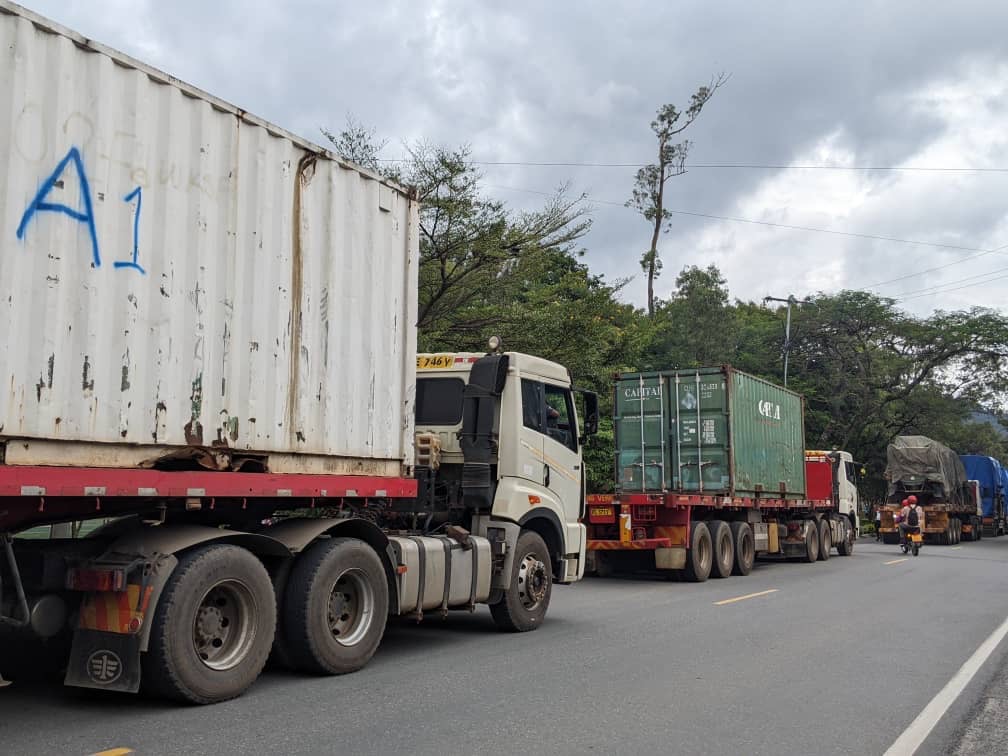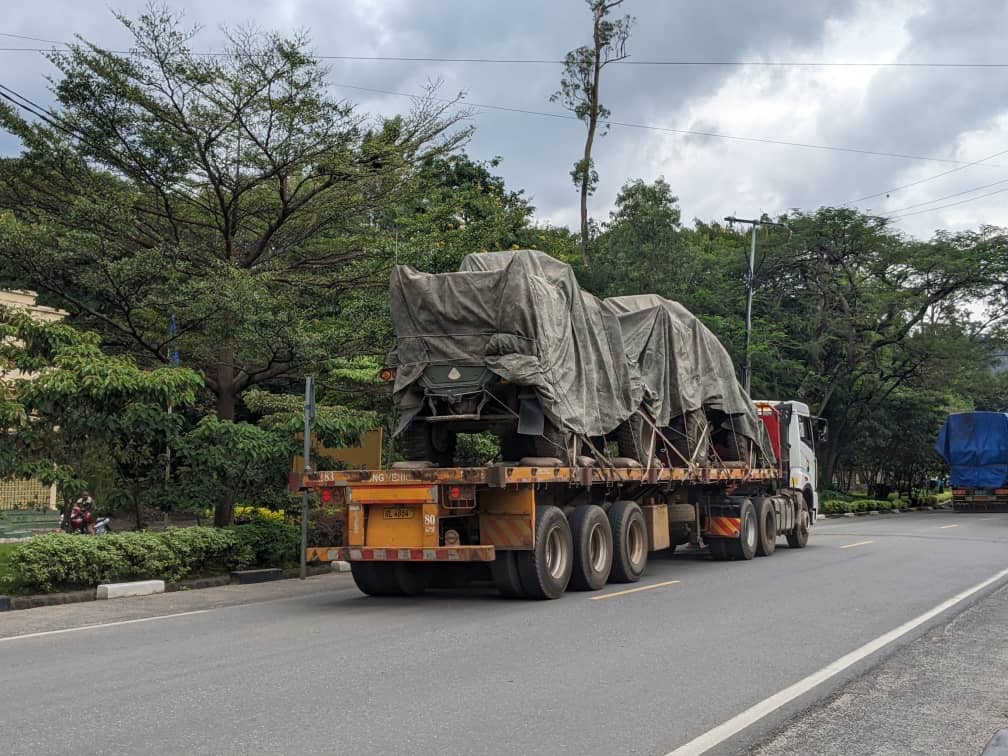
The Southern African Development Community military mission in the Democratic Republic of Congo continued its staged withdrawal from eastern DRC on Monday with a new round of convoys exiting Goma and Bambiro/Mubambiro under heavy escort.
Eighteen soldiers accompanied at least 15 long-haul trucks carrying armored personnel carriers and BM-21 multiple rocket launchers.
This brings the total number of truckloads of SAMIDRC weapons, ammunition, and other military hardware withdrawn from eastern Congo to 263.
The withdrawal marks the near end of a controversial deployment that many observers now view as a failed intervention.
SAMIDRC troops, deployed to support the Kinshasa government against the advancing M23 movement, faced consistent battlefield defeats, logistical disarray, and growing hostility from local communities.
From the outset, regional voices had warned that the force lacked both legitimacy and clear objectives, and that its presence risked inflaming tensions rather than resolving them.
The withdrawal was only made possible after Rwanda agreed to provide safe access for SAMIDRC convoys through its territory, allowing the troops and equipment to exit toward Tanzania.
This regional cooperation effectively removed the last logistical roadblock to what has become a quiet but decisive retreat.
SAMIDRC’s presence had been heavily criticized for its ineffectiveness, perceived partiality, and lack of coordination with local realities on the ground.
As their mandate unraveled, SADC forces found themselves increasingly isolated and exposed to operational setbacks at the hands of a more agile and better-coordinated M23 movement.
Now, with the withdrawal nearing completion, attention is shifting to the new balance of power in eastern DRC.
M23 forces, which now control wide swaths of territory, are positioning themselves as the main guarantors of order, rebuilding infrastructure, ensuring civilian safety, and facilitating the voluntary return of displaced populations.
Meanwhile, questions remain about Kinshasa’s next steps, the future of regional diplomacy, and the role of foreign military interventions in a conflict that has long been fueled by external interests and internal mismanagement.