

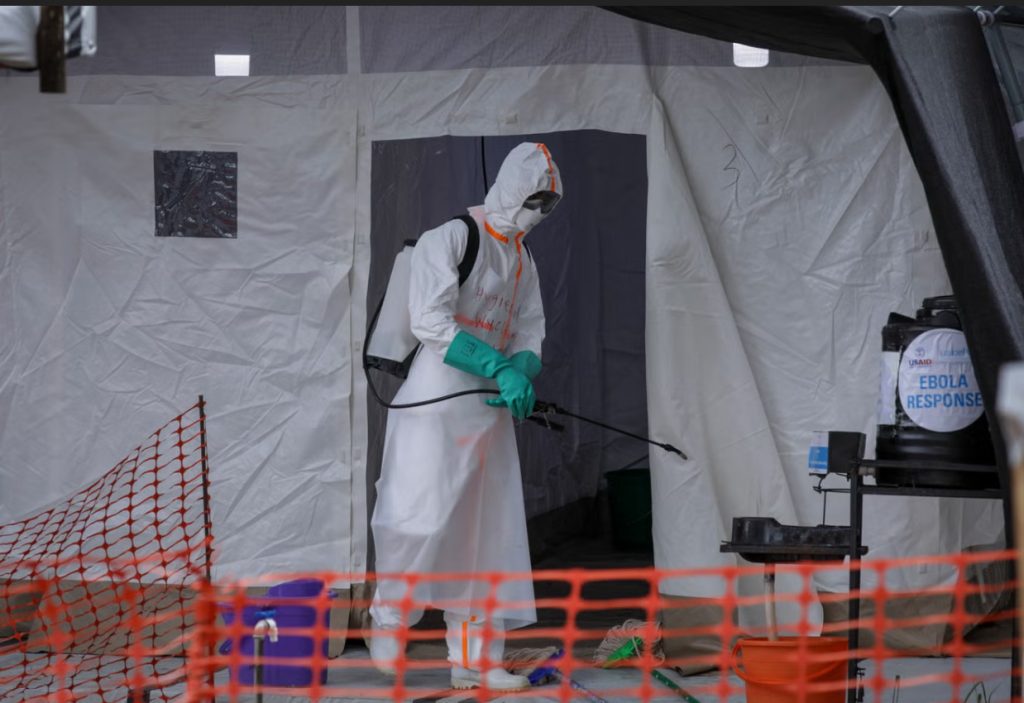
Uganda has reported a second Ebola death, a 4-year-old child, marking a setback in efforts to contain the outbreak declared on January 30. The child, who died on Tuesday while receiving treatment at the main referral hospital in Kampala, follows the earlier death of a male nurse, the outbreak’s first recorded victim.
The World Health Organization (WHO) confirmed the child’s death on Saturday and stated that efforts were underway to strengthen surveillance and contact tracing. While Ugandan officials had expressed optimism about controlling the outbreak—especially after eight patients were successfully treated and discharged earlier in February—the latest fatality has renewed concerns.
Local health authorities have not yet provided further details, and WHO Uganda released only a brief statement acknowledging the death. Meanwhile, investigations into the outbreak’s source are ongoing.
The first victim, a male nurse, had sought medical care at multiple facilities in Kampala and eastern Uganda before succumbing to the disease. His case had initially raised alarms due to his contact with various health centers and even a traditional healer. The successful treatment of some of his contacts, including relatives, had provided hope for containment, but the new death complicates the situation.
Contact tracing remains critical in preventing the spread of Ebola, particularly because there are no approved vaccines for the Sudan strain currently affecting Uganda. WHO reports that more than 20,000 travelers are screened daily at Uganda’s border crossings to curb further transmission.
The WHO has allocated at least $3 million to support Uganda’s Ebola response, but concerns over funding remain after the U.S. administration cut 60% of USAID’s foreign aid contracts. The Baylor College of Medicine Children’s Foundation, which had been assisting Uganda’s Ebola surveillance, was forced to halt its work after losing its USAID contract, affecting 85 full-time staff involved in public health efforts.
Dr. Charles Olaro, Uganda’s director of health services, acknowledged that the loss of U.S. aid has created challenges for some non-governmental groups supporting infectious disease response. “There are challenges, but we need to adjust to the new reality,” he said.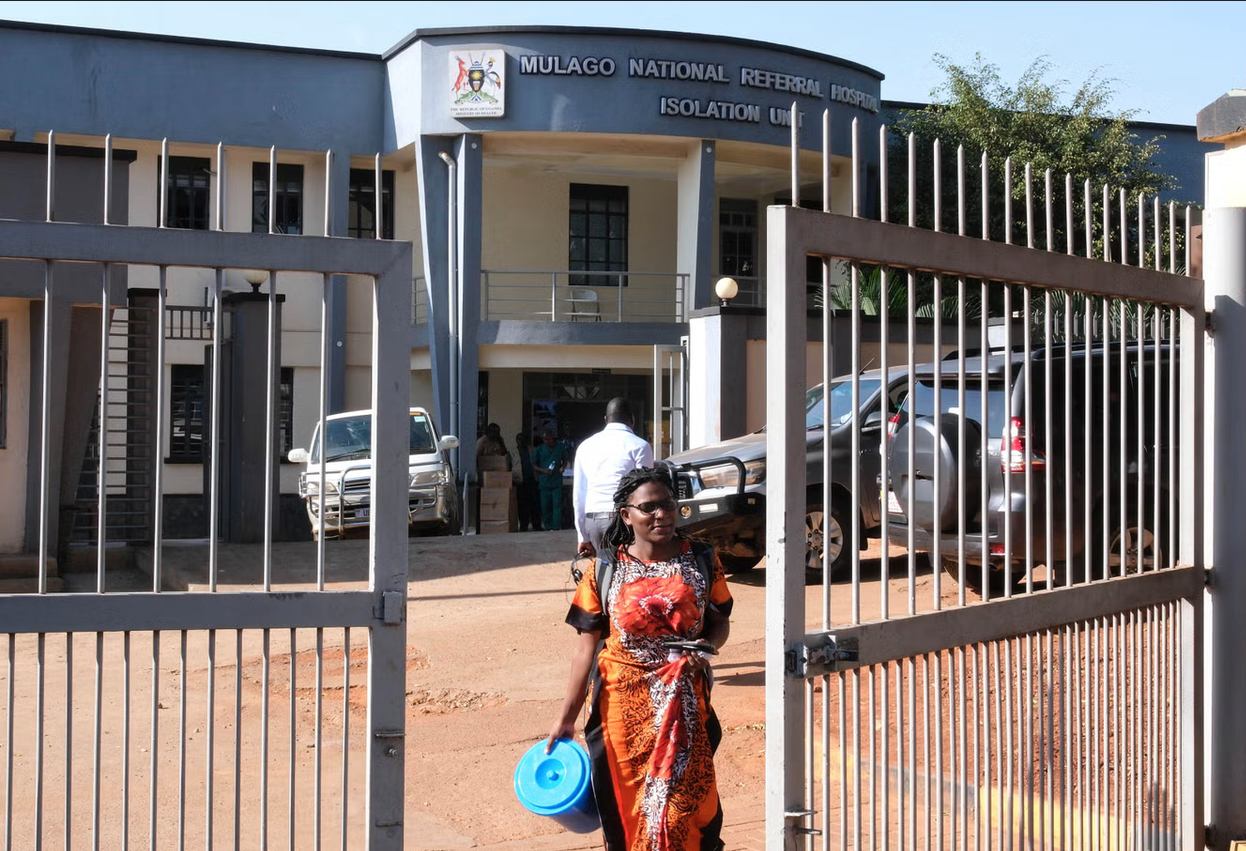
Ebola is a highly lethal hemorrhagic fever transmitted through contact with infected bodily fluids or contaminated materials. Symptoms include fever, vomiting, diarrhea, muscle pain, and, in severe cases, internal and external bleeding. Scientists believe the virus often originates from contact with infected animals or the consumption of their raw meat.
Uganda’s last Ebola outbreak, which began in September 2022, resulted in at least 55 deaths before it was declared over in January 2023. The current outbreak is part of a broader regional trend of viral hemorrhagic fevers, with Tanzania declaring an outbreak of the Ebola-like Marburg virus in January and Rwanda recently announcing the end of its own Marburg outbreak in December.