For weeks, Belgium, a handful of UN operatives, and Kinshasa’s loyal foreign media allies had been rehearsing their big moment.
The script was simple: paint M23 as the blood-soaked villains of eastern Congo, claim they massacred “hundreds of Hutu peasants,” and hand the story to Washington just in time to poison the Doha peace process.
The problem? The “evidence” came from one source; conveniently tied to the FDLR, the same genocidal militia that has been a curse on the region for nearly thirty years.
Reuters took the bait, polishing the story with Sonia Rolley’s help, a known white propagandist who has been going after Tutsi people in the region, while a few UN figures played their usual role as political echo chambers.
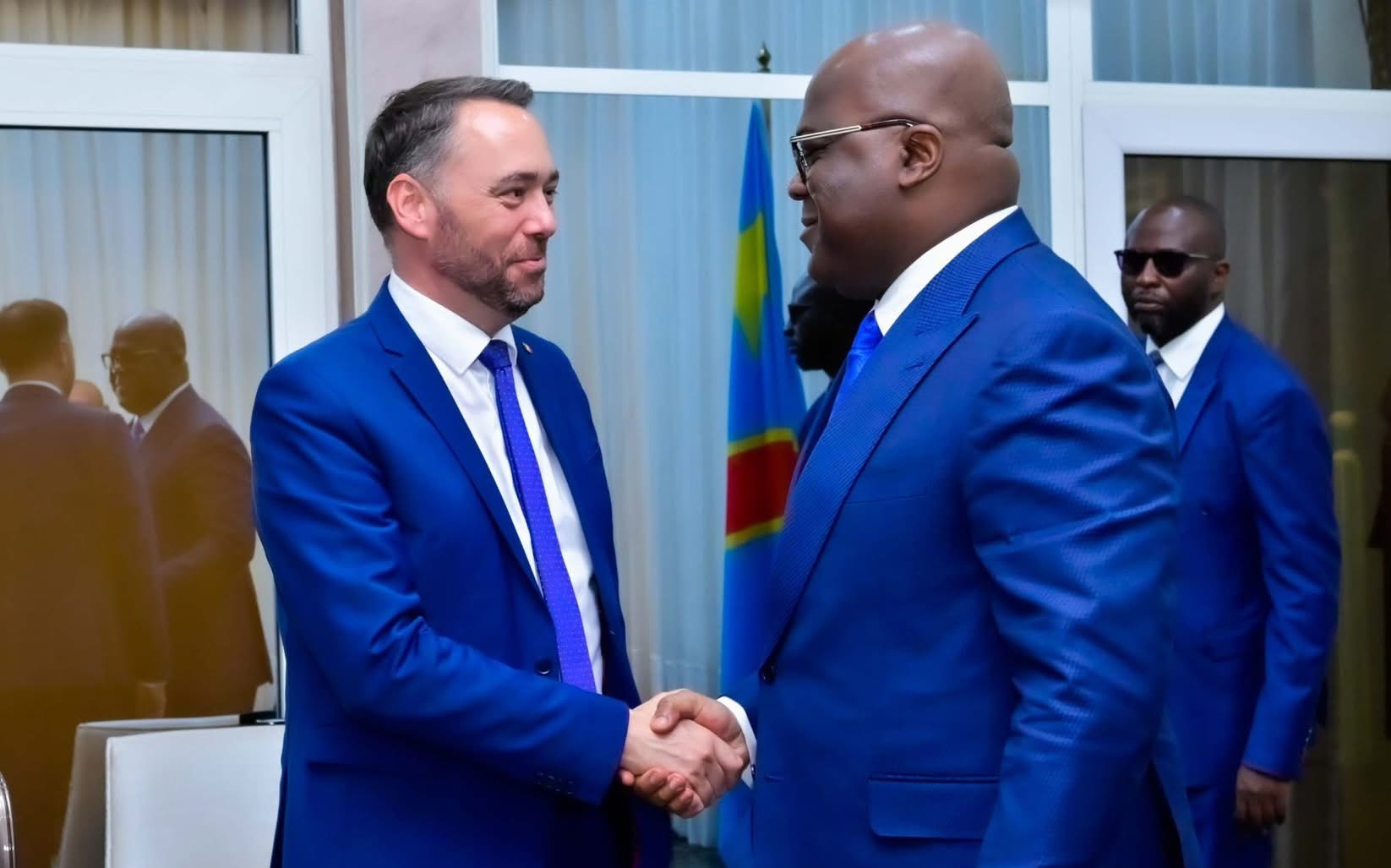
Belgium’s Interior Minister Maxime Prévot even leapt into the fray without a shred of proof, cementing his reputation as Europe’s most reckless politician, gambling on rough waters and exposing his country’s nostalgic colonial history .
But when the script reached Washington, the State Department didn’t bite.
They skimmed the Belgian-backed UN file, tossed it aside, and took aim at a completely different target: Kinshasa’s own PARECO-FF militia (made of FDLR elements and Congolese Hutus).
This was not random choice. The message is unmistakable; the United States has identified the real saboteurs of peace, the PARECO-FF; and they are wearing Kinshasa’s colors.
The fallout in the Kinshasa echo chamber was instant. Self-anointed Congo expert Jason Stearns, who has built a career on narratives that politely skirt around FDLR crimes, told Reuters he was “surprised” by the move.
That was the sound of a carefully timed propaganda campaign going up in smoke. Weeks of narrative-building collapsed in a single press release.
Belgium’s role in this fiasco is more than embarrassing; it is historical déjà vu. From colonial rule to post-independence meddling, Brussels has never resisted the urge to treat Congo as a geopolitical chessboard. But this time, Washington simply swiped the board away.
For Tshisekedi, the moment is dangerous. The US isn’t warning him about minerals or border disputes; it’s warning him about his war policy.
The message is blunt: honor the Doha agreements, stop funding militias, and stop treating peace talks as a public relations exercise.
He now faces a choice — return to Doha, or brace for a slow, humiliating spiral into diplomatic isolation. Because this time, Washington has made clear it will not play along with manufactured crises and recycled colonial scripts.