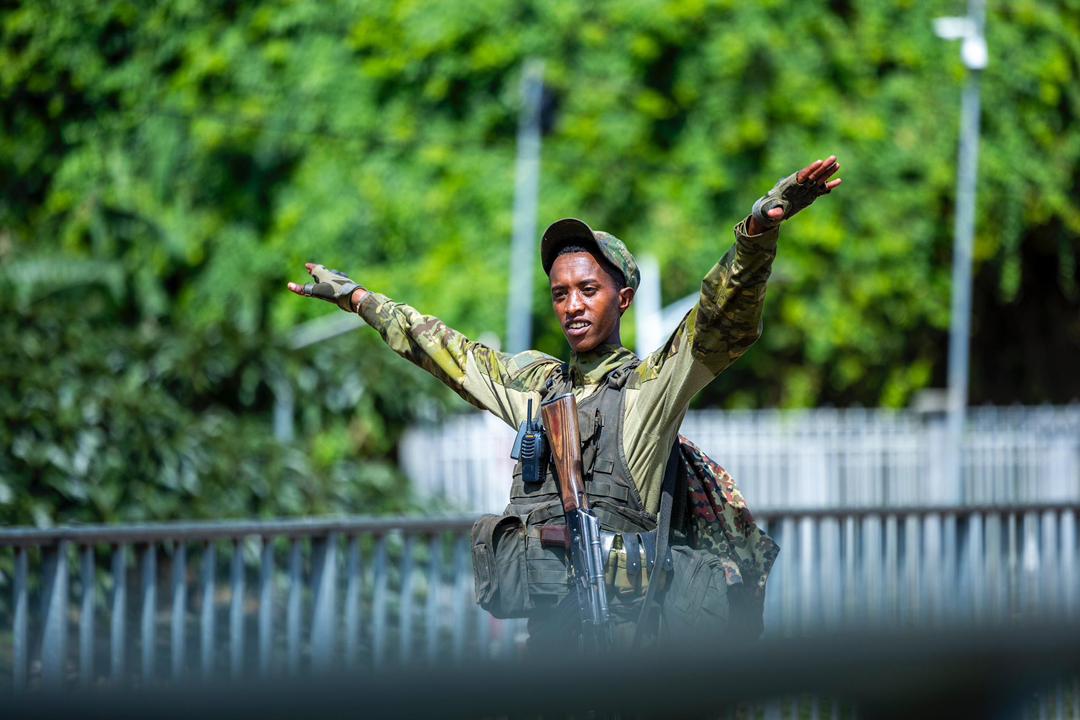
For years, Bravo Nsengiyera John was a familiar figure in Kigali. He walked from embassy to embassy, gripping letters filled with desperate pleas for help. His voice, unwavering despite countless rejections, carried the agony of a forgotten people—the Congolese Tutsis, exiled and hunted, their heritage at the brink of erasure.
“We are not ghosts. We exist. We are dying, and the world is watching.”
He repeated this message everywhere. He knocked on doors, waited in reception halls, and pleaded with diplomats. But his words, like the letters he carried, vanished into silence.
Then, one evening, standing outside yet another embassy that refused him an audience, he understood something profound. The white man’s savior mentality was a dangerous illusion. He had believed for too long that justice and salvation would come from powerful foreign nations, from governments that claimed to uphold human rights. But the world had watched the massacres in silence. The embassies had dismissed his people’s suffering as a political inconvenience.
“No one is coming to save us,” he later recalled. “We have to save ourselves.”
That night, he made his decision.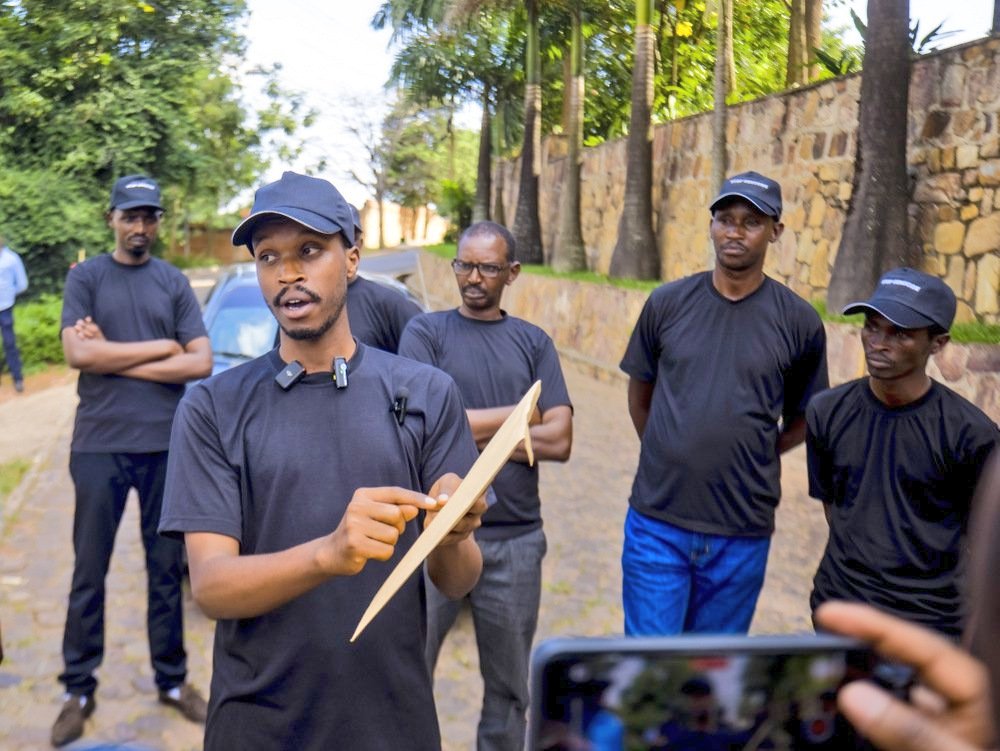
At 28 years old, Nsengiyera disappeared into the shadows, leaving behind the refugee camps, the petitions, and the unanswered letters. He slipped into the jungles of eastern Congo, where others like him had come to the same realization. He was not alone.
From Refugee to Fighter
In the heart of the jungle, Nsengiyera trained alongside men who had once been farmers, students, and traders—men who, like him, had seen their families butchered and their homes razed. Each had a story of exile, grief, and survival.
“We did not choose war,” said one of his fellow fighters. “War chose us when they killed our people and told us we had no home.”
Nsengiyera proved relentless. He learned quickly—mastering the terrain, the tactics, and the discipline of a soldier. But beyond skill, he carried an unshakable belief: this fight was not just about land. It was about dignity. About existence itself.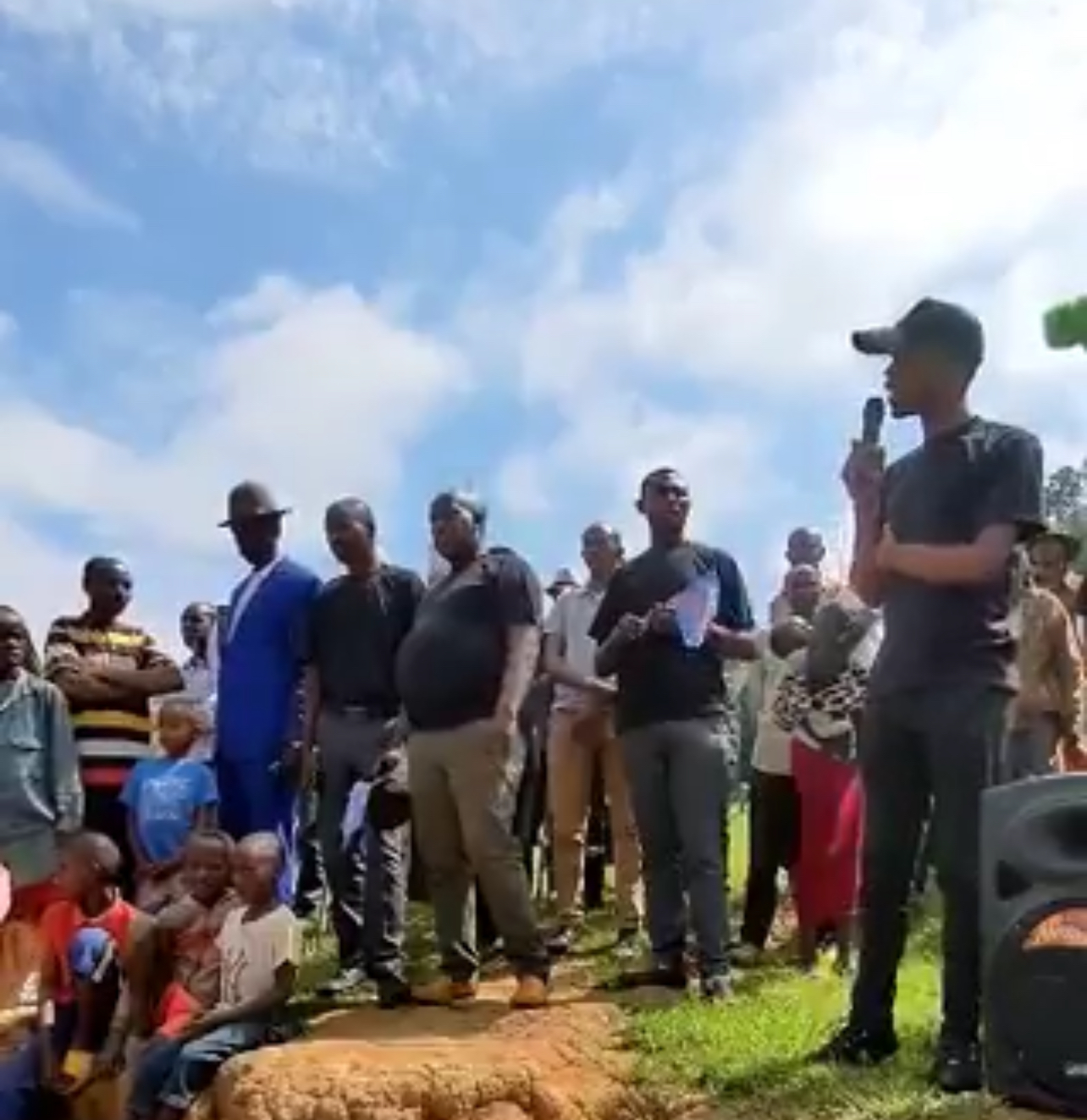
The March into Bukavu
Sunday morning. The moment arrived.
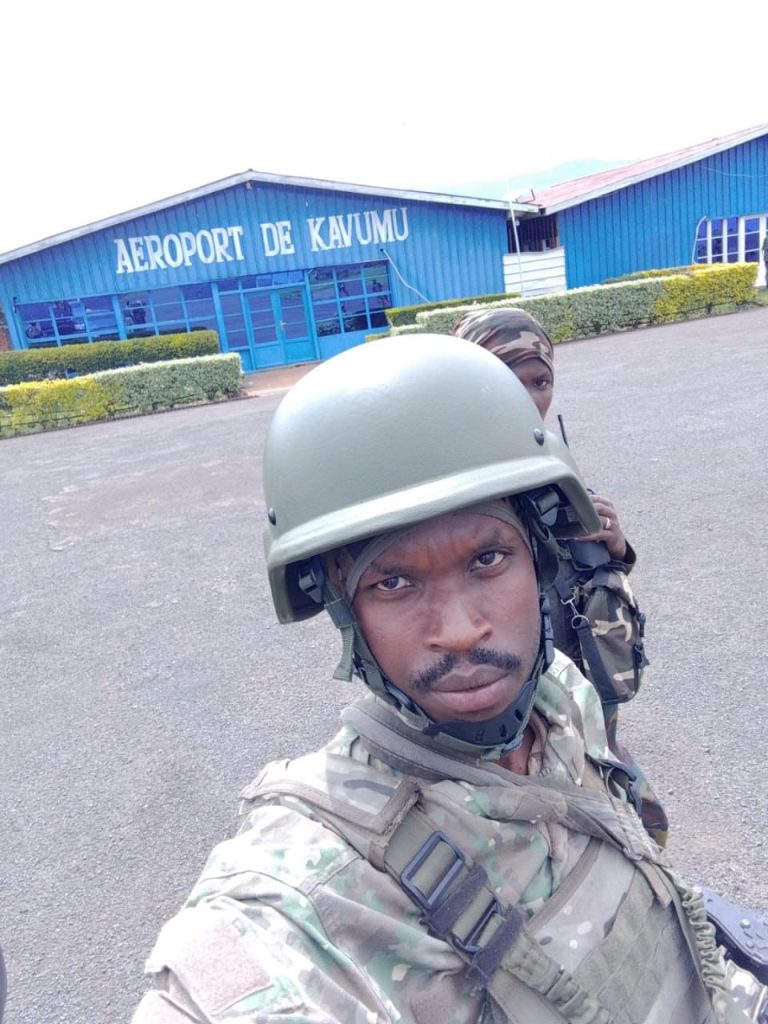
M23 forces surged into Bukavu in a meticulously executed operation. Government forces and their Burundian, FDLR, and Wazalendo allies crumbled before them. Within hours, key installations were under their control—the airport, government buildings, and, most crucially, the border.
The very place where Nsengiyera once stood as a refugee, pleading for salvation, was now his to open.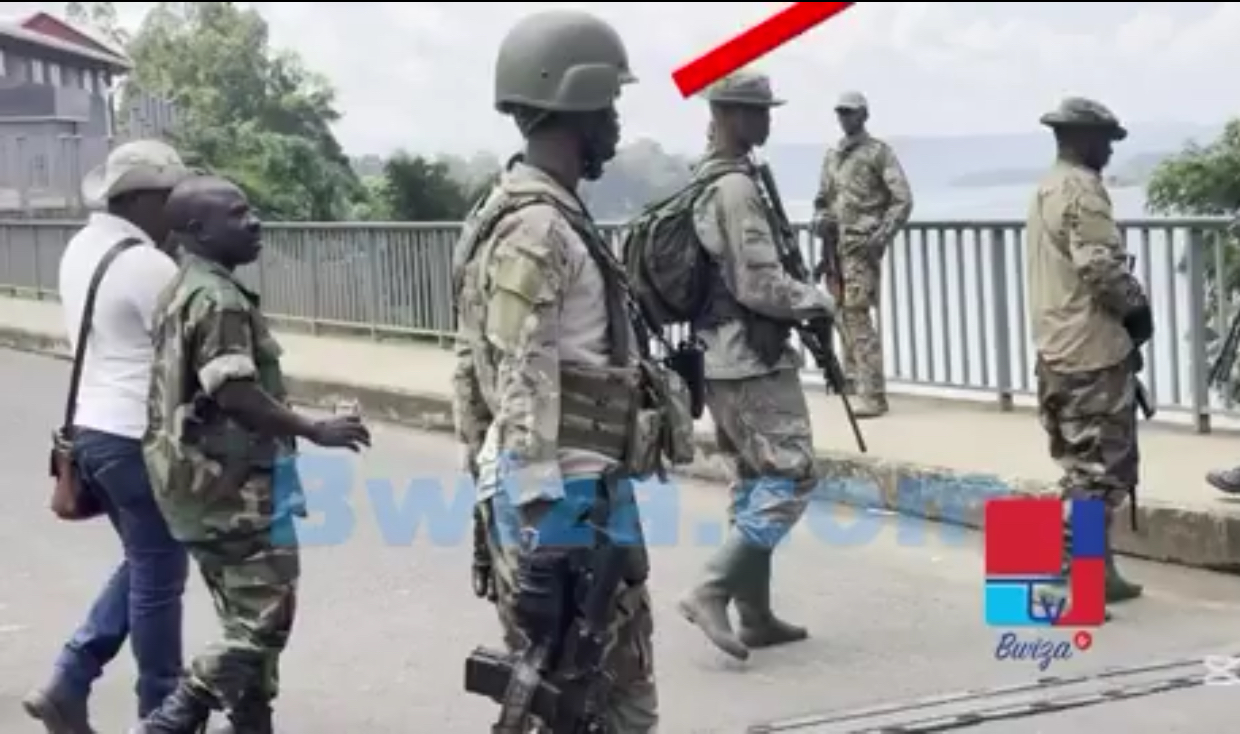
Tears at the Border
The news spread like wildfire. On the Rwandan side of the border, hundreds gathered, staring across in disbelief. Could it be true? Had the exile ended?
At first, they approached cautiously—refugees who had spent their lives in limbo, unsure whether to believe their eyes. Then, among the fighters, they saw him.
Nsengiyera.
An elderly woman collapsed to her knees. “My son, my son!” she wept. “You have come to take us home!”
Others rushed forward, hands outstretched, touching the fighters as if to confirm they were real. Some embraced them. Others fell to the ground, kissing the soil. Children clung to their mothers, watching history unfold.
A man in his fifties, voice shaking, locked eyes with Nsengiyera.
“I remember you,” he whispered. “You were the one who spoke for us. You never stopped fighting.”
Nsengiyera, rifle slung over his shoulder, nodded. “I spoke for us then,” he said, “but now, we let our actions speak.”
One by one, they crossed the border. No longer exiles. No longer outsiders.
“This is our home,” a young woman whispered, holding her baby close. “We are home.”
 The Vindication of Bravo Nsengiyera John
For years, they called him a refugee. For years, they ignored his cries. For years, they told him his people would never return.
Now, he had unlocked the gate to their freedom.
“He is a hero,” said one of his comrades, watching the scene unfold. “Not a villain. Never a villain.”
But Nsengiyera is not alone. His story is one among thousands. He is part of a movement—a collective force of men and women who left refugee camps, universities, and lives in exile to reclaim their destiny.
Among them is Willy Manzi, the newly appointed deputy governor of North Kivu. Manzi, who grew up in refugee camps before seeking safety in Canada, chose not to remain in comfort abroad. Instead, he returned to the frontlines.
His scars run deep. He watched his uncle butchered, roasted, and cannibalized by FDLR militants. His father was murdered in the most grotesque manner. These horrors did not break him. They forged him. And like Nsengiyera, he fights with the weight of history on his back.
The Cry for Justice
Standing before the crowd, Nsengiyera’s voice rang with defiance, his words cutting through decades of silence:
“We denounce the genocide being committed against the Tutsi in North Kivu, the Banyamulenge in South Kivu, and the Hema in Ituri.
Who is responsible? The Congolese government. Tshisekedi. FARDC. UDPS. SADC. The Burundians. The Wazalendo. CODECO. Nyatura. Mai-Mai. All of them. Is this not true?”
The crowd roared back: “Yes!”
“The Interahamwe FDLR drove us from our land and now live in our villages. We need our home back!
People should stop pointing fingers at countries while we, the victims, are still here. No one comes to see us. Many don’t even know we have been refugees for 28 years. Some see this camp behind me and ask if this is real. Yes, it has been here for 28 years.
What do we expect from this struggle? We expect the media to amplify our voices so those in power—at the UN Security Council—can finally take action. The Congolese government must be held accountable because they are committing genocide.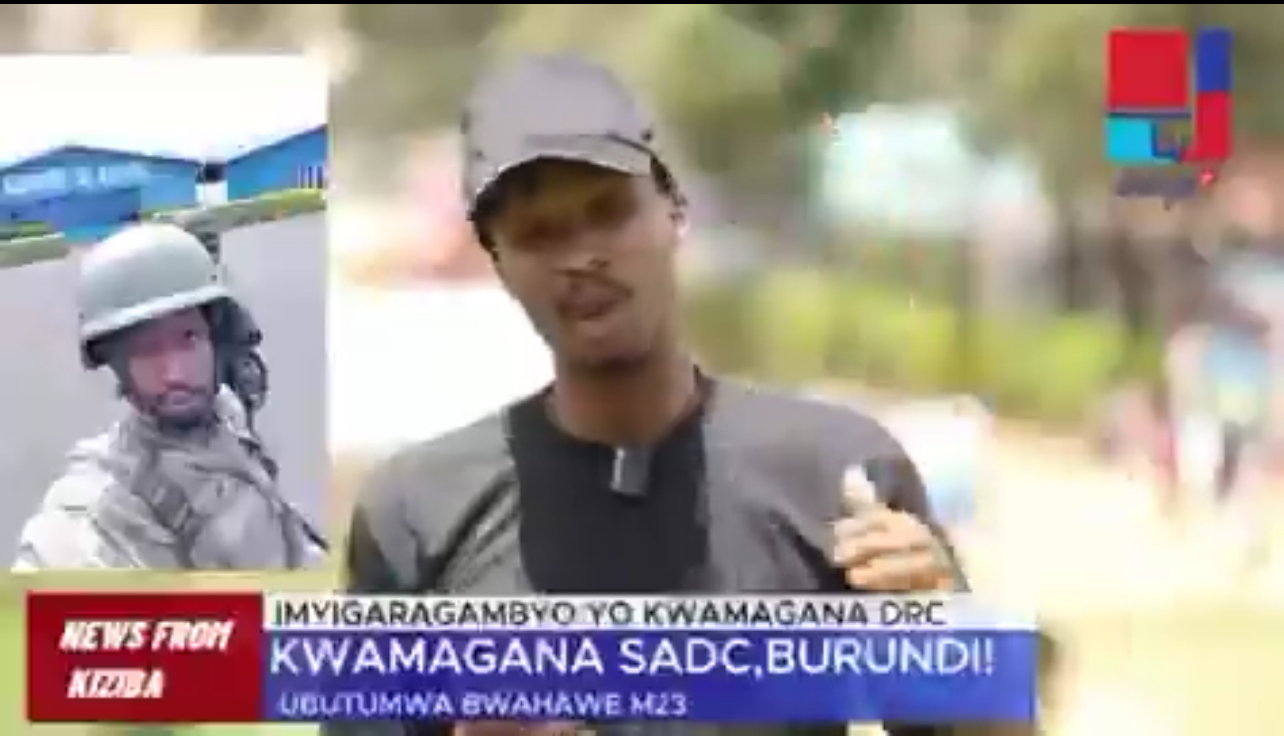
When you speak of M23, you speak of me. The men fighting there are my brothers, my elders, my fathers. When you speak of M23, you speak of all of us here. What do we hope for? Without them, our land would be lost forever.
They are our only hope. Because the international community has done nothing for us since 1994. Do they feel guilt now? Perhaps they will impose sanctions and call for peace.
Meanwhile, people here have grown old in refugee camps, living in misery, starving, surviving on nothing—while their minds and hands are ready to rebuild their homeland.
“This is why we believe M23 has the solution. We cannot falter. We cannot surrender. The world shouts, but does nothing for us.”
“The solution is in our own hands. The answer is clear: We must stay strong. This war must end with our return home.”
“We will not break.”
“We are together.” Those were his words.
A Determined March Forward
As the border fell into M23 hands, the jubilation of those waiting in Rwanda was more than a celebration. It was a reckoning. Decades of exile, pain, and unanswered pleas had led to this moment. The border, once a symbol of separation, had become a gateway of hope.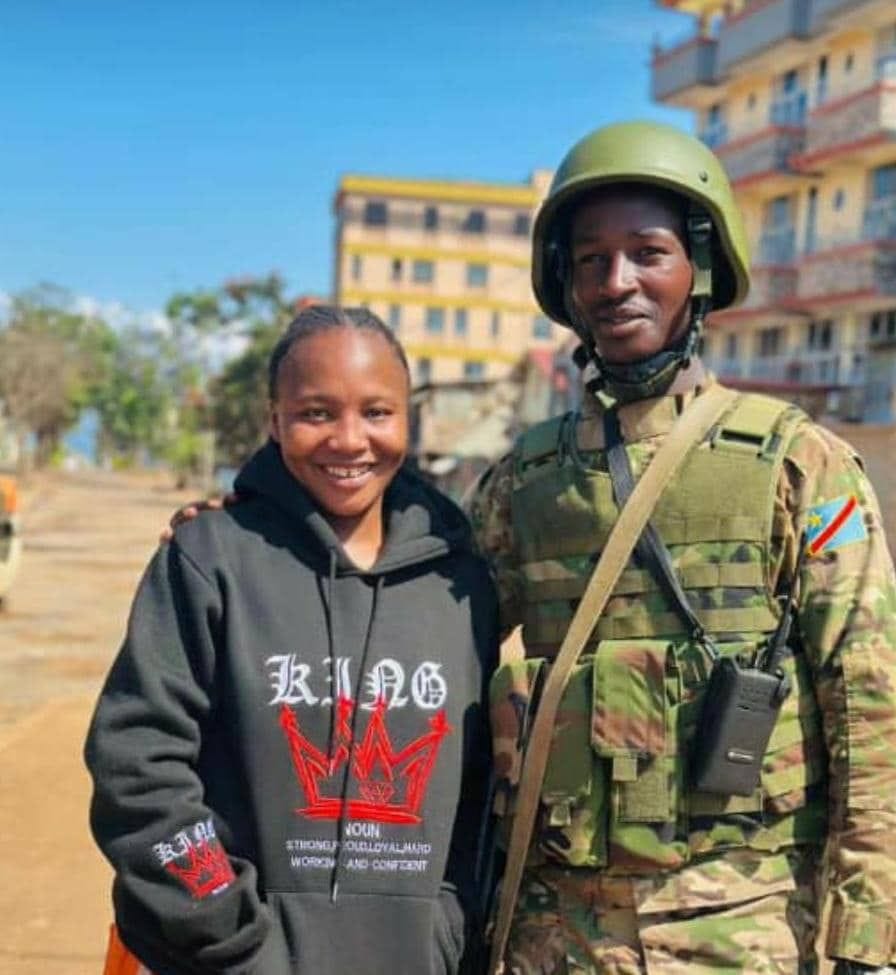
For those who had once been cast aside, Nsengiyera, Manzi, and their comrades stood as proof that history could be rewritten—not by foreign intervention, but by the very people who had suffered.
The world may still question: “Is this a Rwanda-backed struggle?”
But when refugees weep with joy, when exiles return to the land they were told they would never see again, the answer is clear.
The truth is written in their faces.
And the world can no longer look away.