

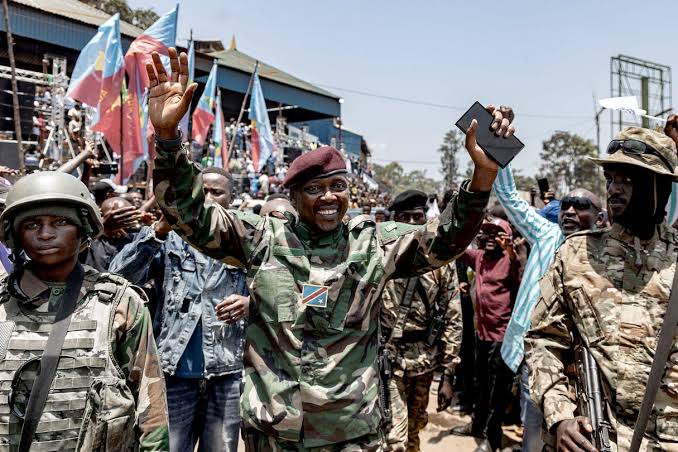
I do not write about Willy Ngoma from a distance.
I write from memory, from encounters, from conversations held in the uneasy calm of Rutshuru’s earlier days.
I met him several times.
I spoke with him more in those formative periods, when the language of liberation was still being shaped and the future of the movement hung in uncertainty. I observed him not as a headline, but as a man navigating war, politics, identity, and survival all at once.
That perspective matters, because context shapes judgment.
When news broke that President Felix Tshisekedi had killed him with a drone strike in Rubaya, North Kivu, it was tempting to reduce it to a tactical update in the long conflict of Eastern Congo.
It is not.
Wars do not move only with bullets; they move with voices. When a voice that has carried a movement for decades goes silent, the silence is heavy.
For that reason, this is not merely the death of a man; a rebel colonel.
It is the interruption of a narrative, the removal of a bridge between the battlefield and the negotiation table, and the tightening of fists where hands were cautiously extended.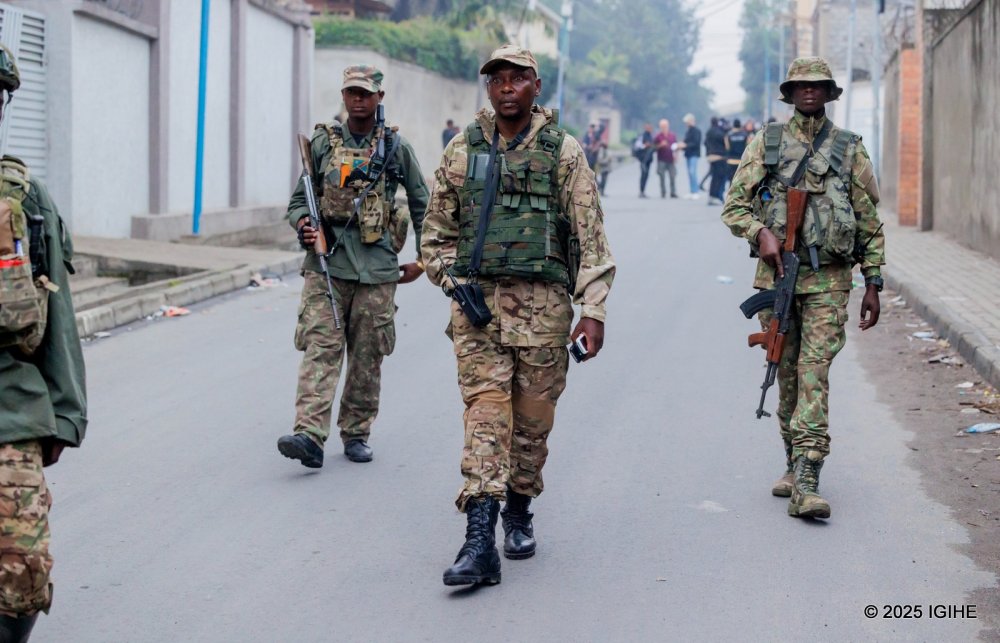
It is the kind of moment that makes history lean forward. From the smoke of that moment, consequences do not simply appear; they unfold with force.
Number one, the center of gravity shifts. Ngoma was more than a spokesman for the March 23 Movement. He was its interpreter, translating military action into political language. When such a figure falls, the internal balance can tilt toward harder voices. The diplomat within the armed movement grows quieter, and battlefield logic grows louder.
At the same time, trust fractures. Peace efforts depend on recognizable interlocutors. Ngoma carried institutional memory from the dismantling of the National Congress for the Defense of the People and the vacuum that followed the sidelining of Laurent Nkunda.
He understood promises made and promises broken. Remove that memory from the table, and negotiations grow brittle. Suspicion begins to fill the space he once occupied. Killing him means open defiance against all the existing peace frameworks.
Meanwhile, the battle over narrative intensifies. As I write this, his fellow Congolese, Patrick Muyaya, is in Canada, engaging international audiences. Canada, a country whose mining sector has long operated across Africa, including in mineral-rich regions, is often cited in debates about resource extraction and accountability.
It is important to approach this carefully. Competing narratives define this conflict. Government representatives speak of sovereignty and security.
Armed movements speak of marginalization and protection. Yet for many civilians in eastern Congo, who have endured repeated displacement and violence, there is a painful perception that their suffering is frequently reframed abroad in ways that do not fully reflect their lived experience.
In such moments, information itself becomes a battlefield.
Beyond narrative, escalation becomes more likely. Rubaya is not incidental ground; it is strategic terrain where minerals and military leverage intersect. High-profile targeted killings in such spaces rarely dissolve quietly. In eastern Congo, actions echo. Sometimes immediately, sometimes later, but they echo.
Equally significant are the regional implications. Eastern Congo is a knot tied across borders. Military developments ripple through diplomatic corridors. Mediation frameworks strain when battlefield events outpace political dialogue. What appears tactical in Rubaya can quickly become geopolitical beyond it. From Luanda to Addis Ababa, Nairobi to Kampala, all the talks stalled every time a bullet was fired. It’s going to be more difficult notwithstanding.
Finally, myth begins. Long-serving figures who embody continuity often grow larger in death than in life. Movements either fragment or consolidate around memory. His absence will silence a man, but it will amplify a symbol.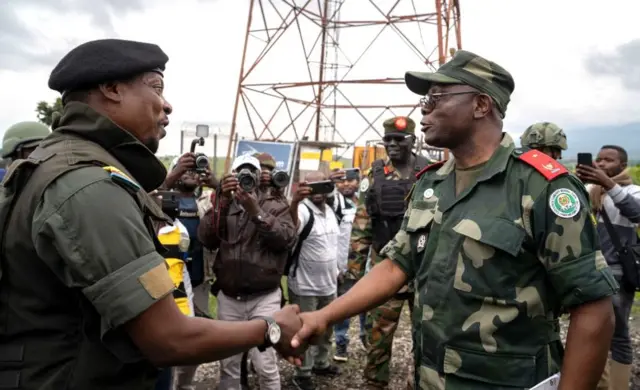
Yet beyond these structural implications lies the human dimension.
In Rutshuru, during those earlier days, he was articulate but never theatrical, focused, deliberate, composed. He could take the labyrinth of militias, land disputes, mineral economies, and regional politics and distill it into simple terms: security, land, future.
He broke down complex war dynamics the way a patient teacher breaks down a difficult lesson, until even skeptics understood the logic, if not the agreement.
Moreover, he was under command, yes, but too influential to ignore, a central figure without necessarily sitting at the apex. In any room, his presence altered the air. He spoke as a man who believed he could look Félix Tshisekedi in the eye and defend his position without hesitation.
In the period following the dismantling of CNDP and in Nkunda’s absence, he stepped forward to engage the outside world. Diplomats, journalists, and observers listened as he argued that their struggle was rooted in grievance and identity. Whether one agreed or disagreed, he was clear, calm, and tough.
There is also the story still told among European mercenaries who crossed his path. They remember him as “Mr Quickly Quietly.” When they were marched out of Goma toward repatriation through Rwanda, it was Ngoma who issued the instruction. There was no shouting and no spectacle, just authority. “Quickly. Quickly.” It was power that did not need volume to be effective. They didn’t settle with it. It’s not a theory, it’s a pronouncement.
Throughout it all, he would remind audiences that M23 was fighting for rights, for land, for children yet unborn. Critics saw rebellion; supporters saw defense. He saw purpose.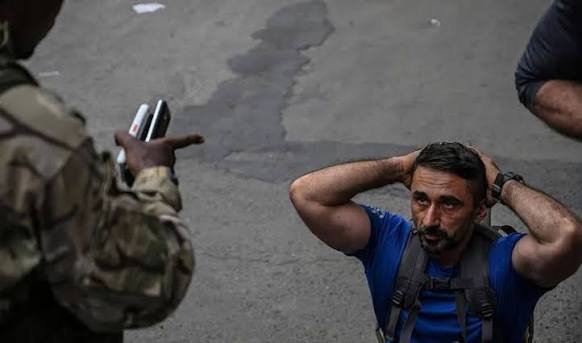
Let us be honest. He was a guerrilla-hardened warlord operating in a theater of immense suffering. But he was also educated, intelligent, and composed, a man who commanded admiration among many who saw in him discipline and conviction.
Inevitably, some will celebrate his death. That is the cold arithmetic of conflict. Yet celebration cannot erase memory. The drumbeat may stop, but the rhythm lingers.
He was a Congolese son of the soil. In a land where names become stories and stories become banners, his name will not be easily forgotten.
And so, although he has died, in eastern Congo spirits rarely disappear with the body. They travel through hills and conversations, through memory and myth. Whether as adversary, symbol, or martyr, Willy Ngoma now belongs to the enduring narrative of a war that is still searching for its ending.