This is the second installment in our series examining the lasting impact of imperialism on Africa, with a focus on the Democratic Republic of Congo (DRC). The first part explored how colonial exploitation created systemic instability across the continent. Here, we analyze the origins of World War I, the Berlin Conference’s role in shaping those origins, and how these historical events continue to influence the DRC’s ongoing crisis.
The Causes of World War I
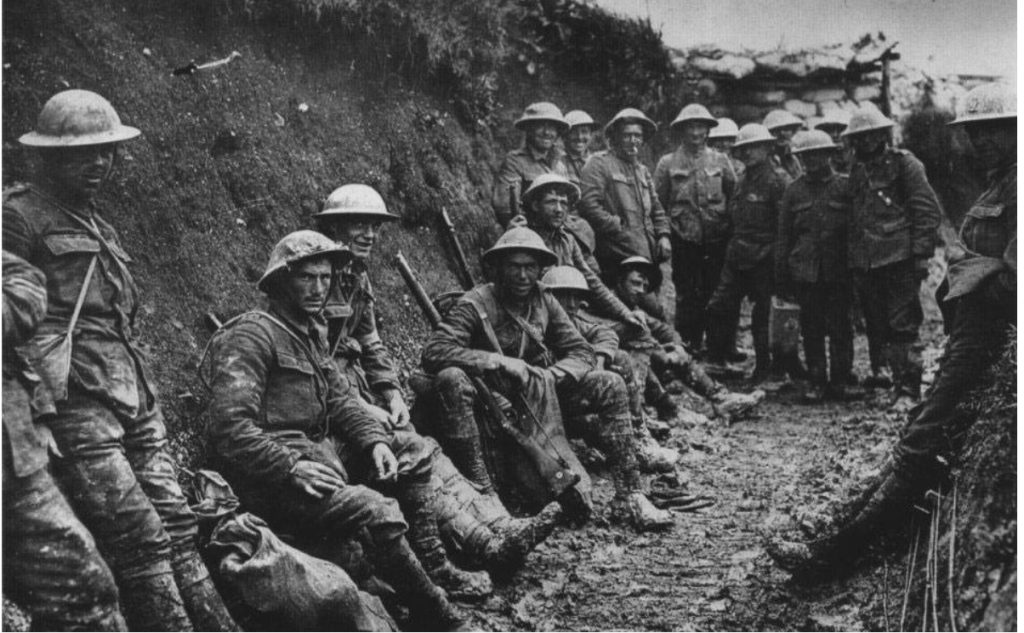
World War I (1914–1918) stemmed from deep-seated political, economic, military, and social tensions that had festered in Europe for decades. While the assassination of Archduke Franz Ferdinand of Austria-Hungary by Gavrilo Princip, a Bosnian Serb nationalist, on June 28, 1914, was the immediate trigger, several broader forces had already set the stage for global conflict:
1. Imperialism and Colonial Rivalries – European powers, particularly Britain, France, and Germany, competed for overseas colonies, especially in Africa. This struggle for resources and dominance heightened tensions, fueling hostility and distrust.
2. Militarism – An arms race, exemplified by Britain and Germany’s naval buildup, glorified military power and made war seem like a viable tool for resolving disputes.
3. Alliances – Europe was divided into two opposing blocs: the Triple Entente (France, Britain, and Russia) and the Triple Alliance (Germany, Austria-Hungary, and Italy). These alliances ensured that a localized conflict could rapidly escalate into a global war.
4. Nationalism – Ethnic and national pride, particularly in the Balkans, stoked aggression. Slavic nationalist movements clashed with imperial ambitions, while unresolved grievances, such as France’s resentment over the loss of Alsace-Lorraine, deepened hostilities.
5. Economic Competition – Industrialization intensified rivalries, with Germany’s rapid economic rise challenging Britain’s dominance. Colonies, including those in Africa, became battlegrounds for economic supremacy.
The Berlin Conference and Its Aftermath
The Berlin Conference (1884–1885), orchestrated by German Chancellor Otto von Bismarck, sought to regulate the “Scramble for Africa” by dividing the continent among European powers with little regard for indigenous societies. The conference had profound consequences:
• Arbitrary Borders – European powers redrew Africa’s map without considering ethnic, cultural, or linguistic realities. This led to artificial states like the Congo Free State, granted to Belgium’s King Leopold II, whose brutal rule resulted in millions of deaths.
• Economic Exploitation – Africa’s wealth—rubber, ivory, diamonds, and gold—was plundered, often through forced labor. In the Congo, Leopold’s regime subjected people to horrific violence, starvation, and disease.
• Colonial Rivalries Intensified – The division of Africa fueled European resentment. Germany, which gained fewer colonies than Britain and France, felt shortchanged, contributing to crises like the Moroccan conflicts (1905–1906, 1911), which nearly triggered war between France and Germany.
• Resource Competition – Africa’s raw materials funded European industrial and military expansion. Congo’s rubber and ivory, extracted through forced labor, strengthened Belgium’s economy and indirectly supported European militarization.
Though the Berlin Conference did not directly cause World War I, it deepened imperial rivalries, reinforcing the mindset that disputes should be resolved through force—a mentality that later played out on the European battlefield.
Africa’s Role in World War I
Africa was not merely a backdrop to World War I; it was an active participant, deeply affected by the war’s demands:
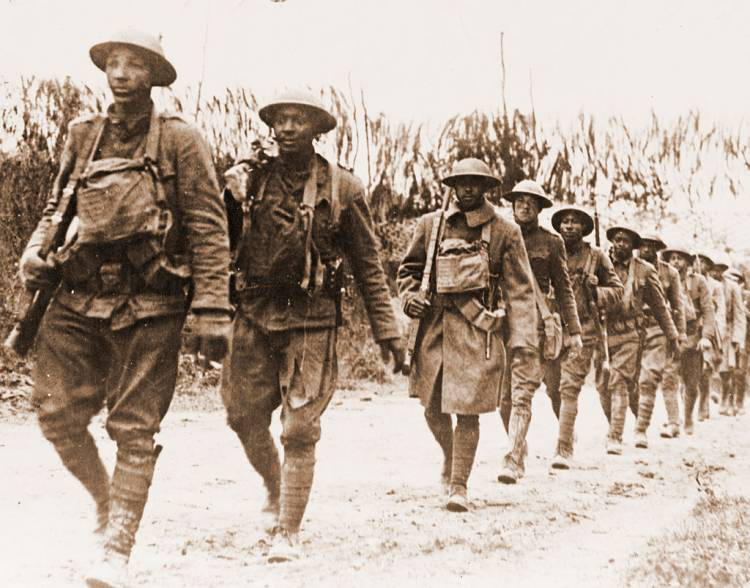
1. Colonial Troops and Resources – European powers conscripted African soldiers to fight in Europe and on African fronts. Britain and France deployed West African and Senegalese troops, while the Congo supplied both manpower and crucial war materials like copper and rubber.
2. Battlegrounds in Africa – German colonies became theaters of war. In East Africa, a prolonged campaign in German Tanganyika (modern Tanzania) saw African porters and soldiers suffering high casualties from disease, exhaustion, and combat.
3. Economic and Social Impact – The war disrupted local economies, led to food shortages, and spread diseases like the 1918 influenza pandemic. In the Congo, forced labor intensified under Belgian rule to meet wartime production demands, exacerbating local grievances.
How This History Connects to the DRC’s Present Conflict
The consequences of the Berlin Conference and World War I remain visible in the DRC’s current instability, where the government faces multiple armed groups, including M23, in the eastern provinces. Several historical legacies continue to shape the conflict:
1. Colonial Borders and Ethnic Tensions – The DRC’s borders, drawn by Europeans with little regard for local realities, lumped together diverse ethnic groups while splitting others. The Kinyarwanda-speaking communities, for example, were divided between Rwanda and the DRC, fueling tensions. M23 claims to defend Tutsi interests, arguing that the Congolese government marginalizes them—a dispute rooted in the Berlin Conference’s arbitrary demarcations.
2. Resource Exploitation as a Conflict Driver – The imperialist economic model persists in the DRC, which holds some of the world’s most valuable mineral reserves, including cobalt, coltan, and gold. Colonial powers still loot these resources through violence, today’s armed groups, finance themselves through illegal mining with the support of western countries. Foreign corporations have been benefiting from this chaos, mirroring the resource plunder of Leopold’s Congo.
3. Weak State Institutions – The Berlin Conference handed Congo to Leopold as a personal possession, prioritizing extraction over governance. This legacy left the post-independence DRC with fragile institutions. The government struggles to maintain control over its eastern regions, where over 120 armed groups operate. This instability is a direct consequence of colonial rule’s failure to establish sustainable governance structures.
4. Regional Instability and Foreign Involvement – Just as World War I’s campaigns in Africa involved multiple colonial powers, today’s DRC conflict draws in regional players.
5. Humanitarian Crisis and Global Apathy – The suffering endured by Congolese people during World War I—forced labor, famine, and disease—finds parallels in today’s humanitarian disaster. Over 7 million people are displaced, and countless lives are lost to violence, hunger, and preventable diseases. Yet, just as colonial powers once disregarded African suffering, today’s international response to the DRC’s crisis remains limited, despite its magnitude.
Lessons?
The Berlin Conference and World War I have a direct role in the DRC’s modern conflict, and they set the foundation for its enduring instability. Arbitrary colonial borders, a history of resource-driven exploitation, and a legacy of weak governance have left the country vulnerable to cycles of violence. Understanding this history is essential to addressing the root causes of the conflict—not just its symptoms.
In the next installment, we will examine post-World War I up to decolonization and Cold War dynamics and how all further shaped the DRC’s trajectory, leading us closer to its present-day challenges.