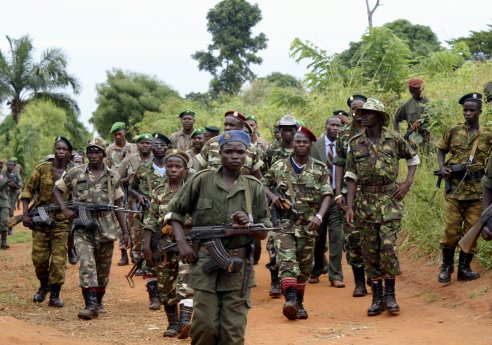
Évariste Ndayishimiye presents himself to the world as a leader committed to stability and regional cooperation, but behind this carefully crafted image lies a brutal reality. The Burundian president is on a rampage, leading a campaign of terror and bloodshed across eastern Congo.
His forces are responsible for some of the most horrifying massacres the region has seen in years. Operating under the cover of night, often wearing FARDC uniforms and embedded within Congolese ranks, his soldiers have become a merciless killing machine, leaving behind villages reduced to ashes and mass graves filled with the bodies of innocent civilians.
Ndayishimiye harbors a deeply rooted genocidal ideology against the Tutsi people, a fact that is now an open secret. His commitment to exterminating Tutsis—especially Rwandaphones of Tutsi background in eastern DRC—is not just rhetoric; it is a systematic, calculated, and ongoing operation.
His forces do not just fight; they hunt. His soldiers do not just kill; they slaughter with unthinkable barbarity. Survivors describe scenes of pure horror—men butchered like animals, women raped in front of their families, children burned alive. The scale of this brutality shows that his campaign is not just about eliminating a military threat; it is about ethnic cleansing.
Since October 2023, the number of Burundian troops deployed in eastern Democratic Republic of Congo has surged dramatically, exceeding 4,000 according to a U.N. report.
These forces, wearing Congolese uniforms, are embedded within FARDC units and fighting alongside genocidal militias like the FDLR. Their brutality has been well-documented in numerous atrocities, including:
• The massacre of at least 140 civilians in Mweso in February 2024.
• The execution of over 200 people in Masisi in April.
• The slaughter of more than 300 individuals in Kitchanga in July.
• The execution of 170 civilians in October, as FARDC and its allies retreated in disarray.
Across eastern DRC, Ndayishimiye’s soldiers commit unimaginable acts of violence. Survivors have recounted harrowing experiences: one man from Kitchanga recalled how soldiers dragged his father outside and shot him in the head, attacked his mother with machetes, and threw his five-year-old sister into a fire.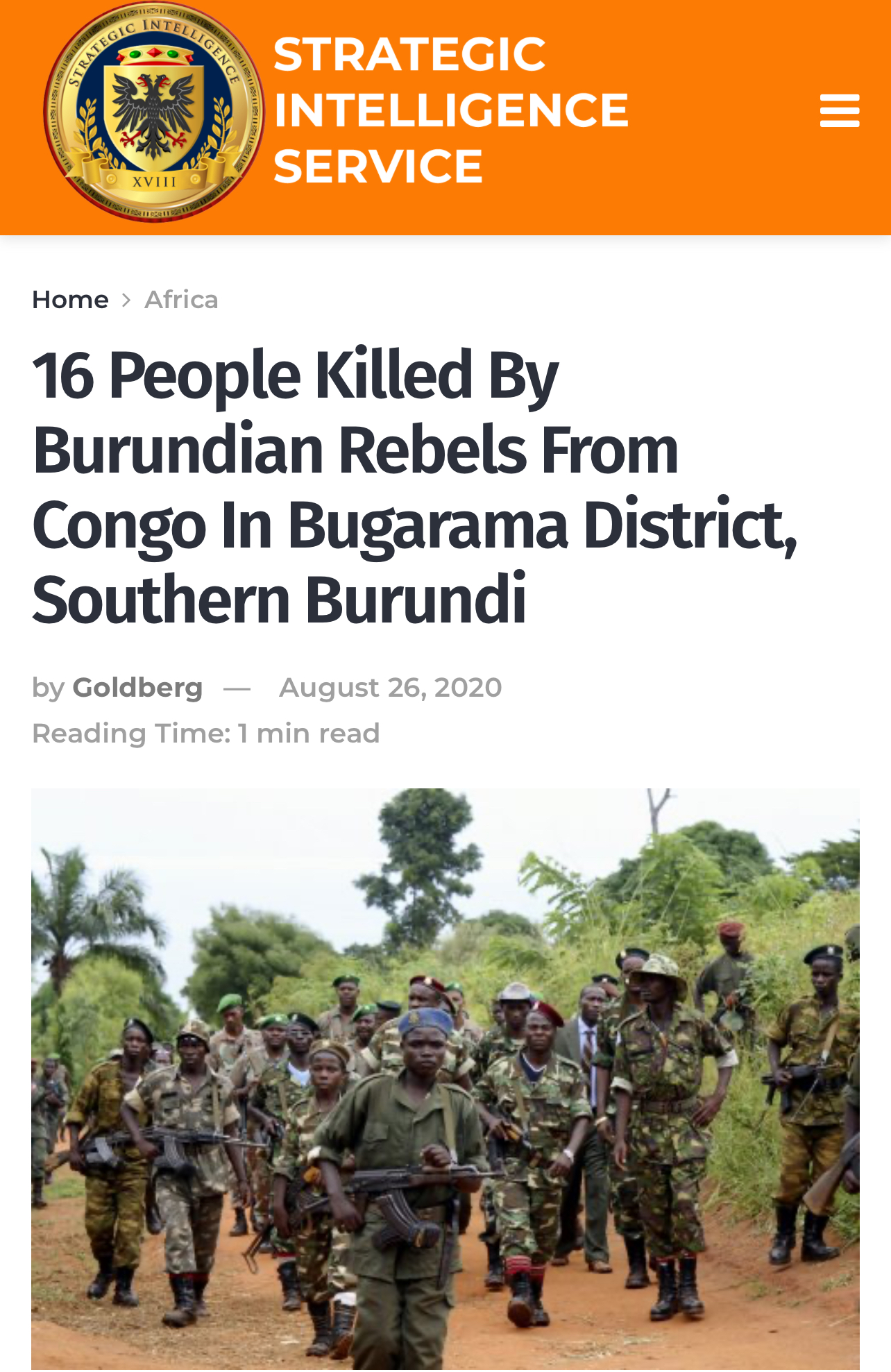
Another survivor from Minova described how soldiers lined up civilians, accusing them of being traitors, and shot the man next to him in the face.
The evidence is overwhelming. General James Kabarebe, speaking in parliament, revealed that before launching his most ruthless operations, Ndayishimiye summoned prominent Hutu leaders in eastern Congo, offering them a deal to participate in the targeted killings of Tutsi civilians.
When they refused, Ndayishimiye proceeded with the operation anyway. A retired military officer in exile later disclosed that those in his ranks who hesitated or questioned the orders were swiftly dealt with—arrested, court-martialed, and some executed to serve as a warning.
In 2024, President Félix Tshisekedi struck a secret deal with Ndayishimiye, enlisting thousands of Burundian troops under the guise of fighting Red Tabara. However, their real mission was to help FARDC eliminate M23, a force largely composed of Congolese Tutsis.
 But Ndayishimiye had his own ambitions. He later aligned himself with SAMIDRC under SADC, extending his influence in the conflict under different banners. Tshisekedi, having lost control of the battlefield, later fully sanctioned Ndayishimiye’s involvement, enabling mass killings on an unprecedented scale.
Burundi’s actions in Congo have also defied the very framework of the East African Community’s military intervention. While the EAC’s peacekeeping forces were meant to de-escalate tensions, Burundian troops ignored these mandates entirely.
Instead, they aligned themselves with the genocidal FDLR and the ruthless Wazalendo militias, forming a deadly alliance that carried out some of the most devastating attacks. Their barbarity knew no bounds—men slaughtered, women raped, children burned alive.
And though some Burundian forces have been pushed back from key positions in North Kivu, they have not left. They remain deeply entrenched in South Kivu, continuing their campaign of terror.
Ndayishimiye can no longer hide. His commitment to exterminating Tutsis in DRC is resolute and unwavering.
For years, he pretended to lead an inclusive and professional army, but his actions across the border in eastern DRC have exposed him. While he presents himself as a unifying figure in Burundi, his forces are executing an ethnic cleansing campaign against Tutsis in Congo with ruthless precision.
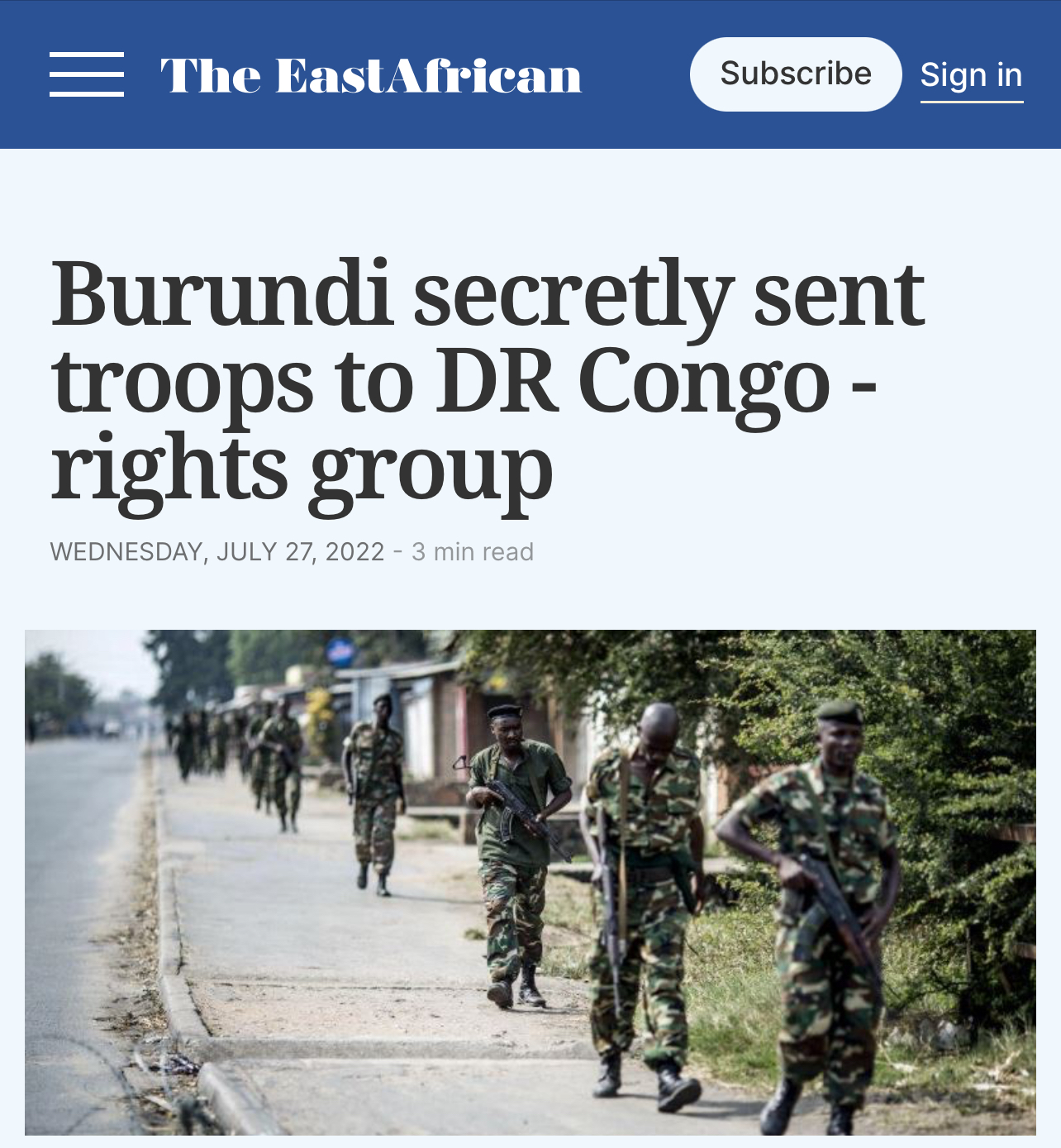 His soldiers are trained in hate, indoctrinated with the belief that their mission is not just to defeat an enemy, but to erase them.
The atrocities committed by Ndayishimiye are no longer hidden—they are in plain sight for the world to see. The documented massacres, the mass graves, the systematic execution of civilians—this is not just war; it is genocide. His forces have wiped out entire villages, targeting communities based on ethnicity and perceived political allegiances.
The level of coordination, the use of multiple military outfits, the ruthless efficiency of the killings—all point to a leader who has mastered the art of mass murder.
And Tshisekedi, too, is complicit. His government has turned a blind eye, offering strategic partnerships to a man responsible for crimes against humanity.
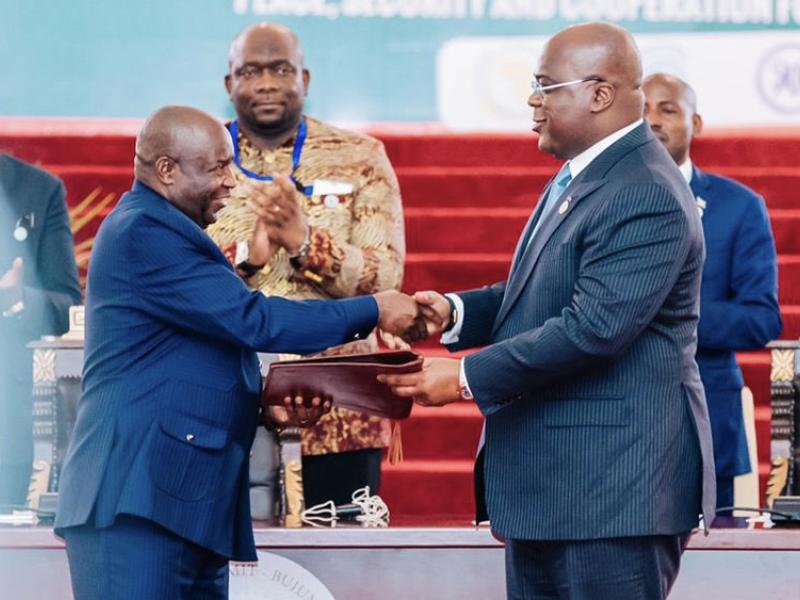 He welcomed Burundian troops into his war, knowing full well the blood they would spill. The evidence is overwhelming—satellite images of scorched villages, testimonies of survivors, forensic reports of mass executions. Yet, the world remains silent.
Ndayishimiye has built his legacy on the corpses of the innocent. His soldiers wear different uniforms, fight under different banners, but the blood on their hands remains the same. And as long as he continues to orchestrate these crimes with impunity, the massacres will not stop.
The question now is: who will finally hold him accountable?