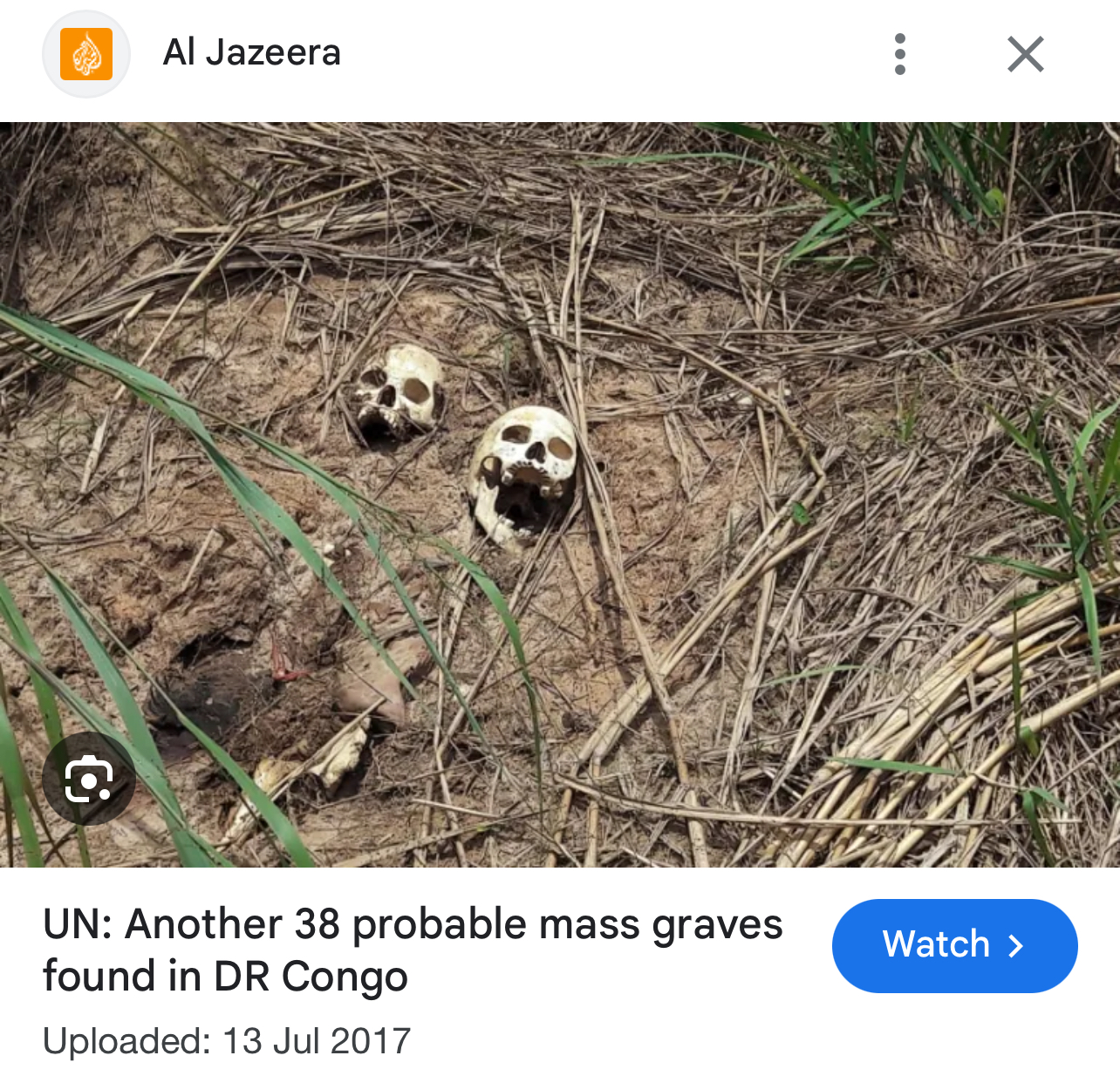
In the remote hills of Minembwe in eastern Congo, villagers once shared photos of their neighbors who had been burnt alive during militia attacks.
The images, grainy but unmistakable, spread briefly across WhatsApp groups and Twitter feeds. Within hours, they were gone.
“It was like they had never existed,” recalls Jean-Pierre, a teacher who fled the violence. “One moment we were sending pictures so the world could see. The next day, when I checked online, it was all deleted. Only silence.”
This silence has become a defining feature of the Democratic Republic of Congo’s digital landscape.
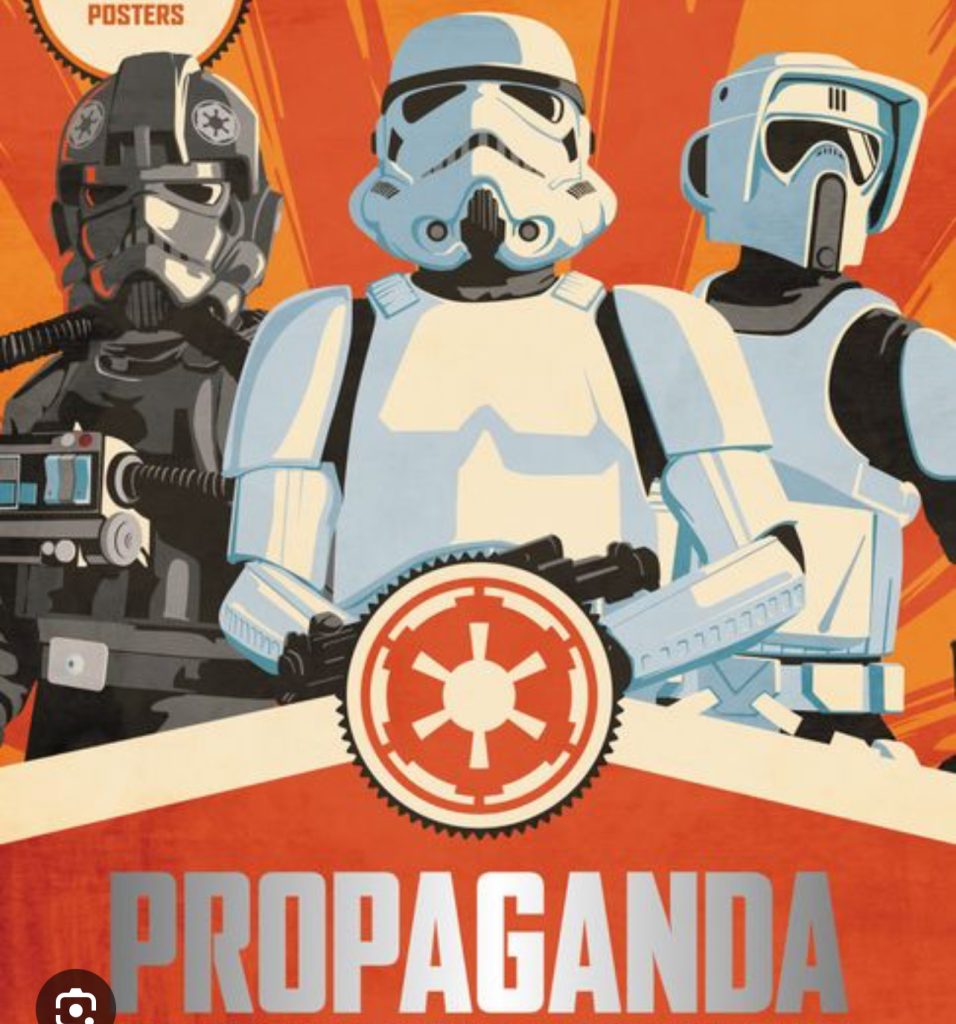
Under President Félix Tshisekedi, the government has tightened its grip not only on the streets but also on the internet. Analysts say Kinshasa has developed a quiet arsenal of tools to erase embarrassing or incriminating content, from videos of mass killings and mass graves, to drunken soldiers looting shops, to memes mocking the president’s leadership.
No evidence has surfaced of direct payments to global tech giants to wipe content, but activists say the methods Congo uses achieve the same effect. 
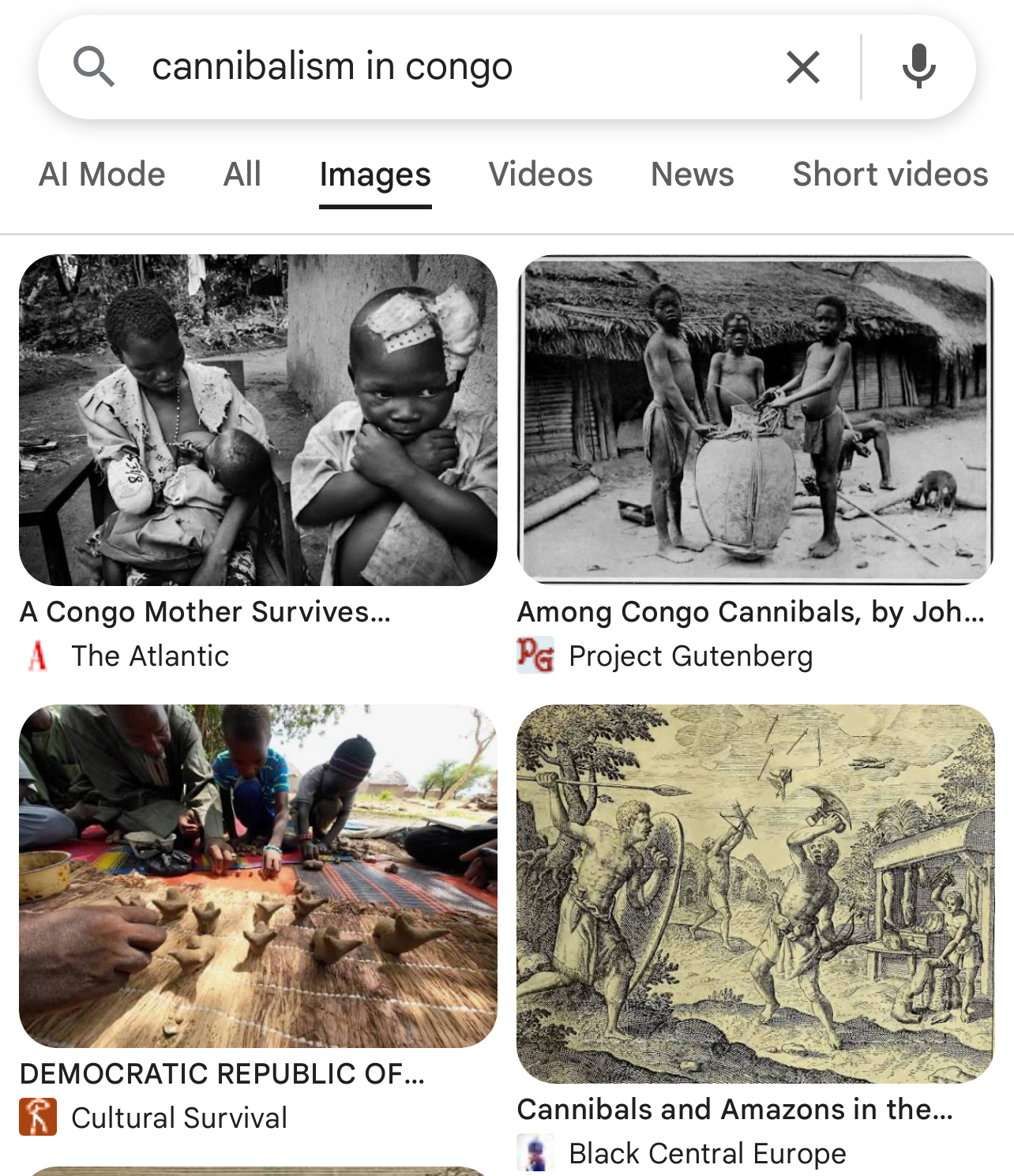
One of the most disturbing examples came in 2023, when shaky phone footage alleging acts of cannibalism in a conflict zone circulated online.
For a day it was the talk of WhatsApp groups in Goma and Kinshasa. Then, as quickly as it appeared, the video vanished from Facebook and YouTube. “It was brutal to watch,” said Marie, a nurse who saw the clip before it was removed. “But deleting it doesn’t mean it didn’t happen. It means we can’t prove it anymore.”
Tshisekedi is paying heavily. Millions of dollars have been spent on a massive online campaigns. He has a fully funded army of bots. They erase each and everything and post dozens of propaganda material everywhere.
Critics argue this erasure is not accidental. Congo has perfected the art of digital disappearance. Swarms of bots and loyal supporters mass-report videos until platforms’ automated systems take them down.
Global PR firms flood search engines with glowing press releases that bury critical stories. Courts issue opaque rulings that force local outlets to retract investigations into corruption or mismanagement.
During moments of political sensitivity, authorities simply shut down or throttle the internet altogether. Ahead of the 2023 elections, access to social platforms was slowed to a crawl. In early 2025, TikTok, X, and Google Play were blocked outright, cutting off tools people rely on to share evidence from the ground.
The targets of erasure reveal what the government most fears the world will see. Clips of soldiers drunk on duty, uniforms in tatters, or troops beating civilians have all been scrubbed. Videos of underfed children in squalid camps or villages without running water rarely last long.
Investigative posts about officials pocketing aid or luxury cars purchased with public funds often disappear after coordinated reporting campaigns. Even humor isn’t spared: satirical memes of Tshisekedi, sometimes silly, sometimes biting, are swarmed and removed.
“It’s not just about hiding violence,” explains a Congolese journalist, who asked not to be named for fear of reprisals. “It’s about controlling the story. They want people to see a strong army, a strong president, a country moving forward. Anything that contradicts that has to be erased.”
That control has extended beyond social media to the journalists themselves. In recent months, Congo’s media regulator, the Conseil Supérieur de l’Audiovisuel et de la Communication (CSAC), has summoned several journalists and influencers accused of spreading “negative news.”
Local outlets have been warned over reports on abuses by the Congolese army. Digital commentator Stanis Bujakera, who had previously been detained in 2023, was again questioned over his reporting.
Local broadcaster RTVS1 had its license suspended after airing coverage of corruption cases. Influencers critical of the government have had their accounts frozen, while others saw their accreditation revoked. “It is censorship by another name,” said one Kinshasa-based editor whose permit was pulled. “They don’t just delete your work online, they delete your career.”
At the same time, Kinshasa has spent heavily on foreign correspondents. Journalists from global and regional outlets have been quietly courted with payments to highlight positive stories about the DRC: gleaming new roads, government-led health initiatives, or Tshisekedi’s speeches at international summits.
Early this year, a leaked document revealed a media coverage plan listing major global and African outlets targeted to whitewash atrocities and showcase the administration in a favorable light. “It’s media management on a global scale,” says a rights advocate. “They are paying to drown out their critics abroad, just as they drown them out at home.”
Inside Congo, the online battlefield is even more hostile. Observers say the government has poured resources into paying armies of bots and propagandists to attack critics. Dissidents are smeared as “Rwandans,” “Tutsis,” or “traitors,” part of a deliberate strategy to ethnicize criticism and delegitimize it.
Entire campaigns are built around dehumanizing the Banyamulenge and other Tutsi-background communities, painting them as outsiders and enemies of the state.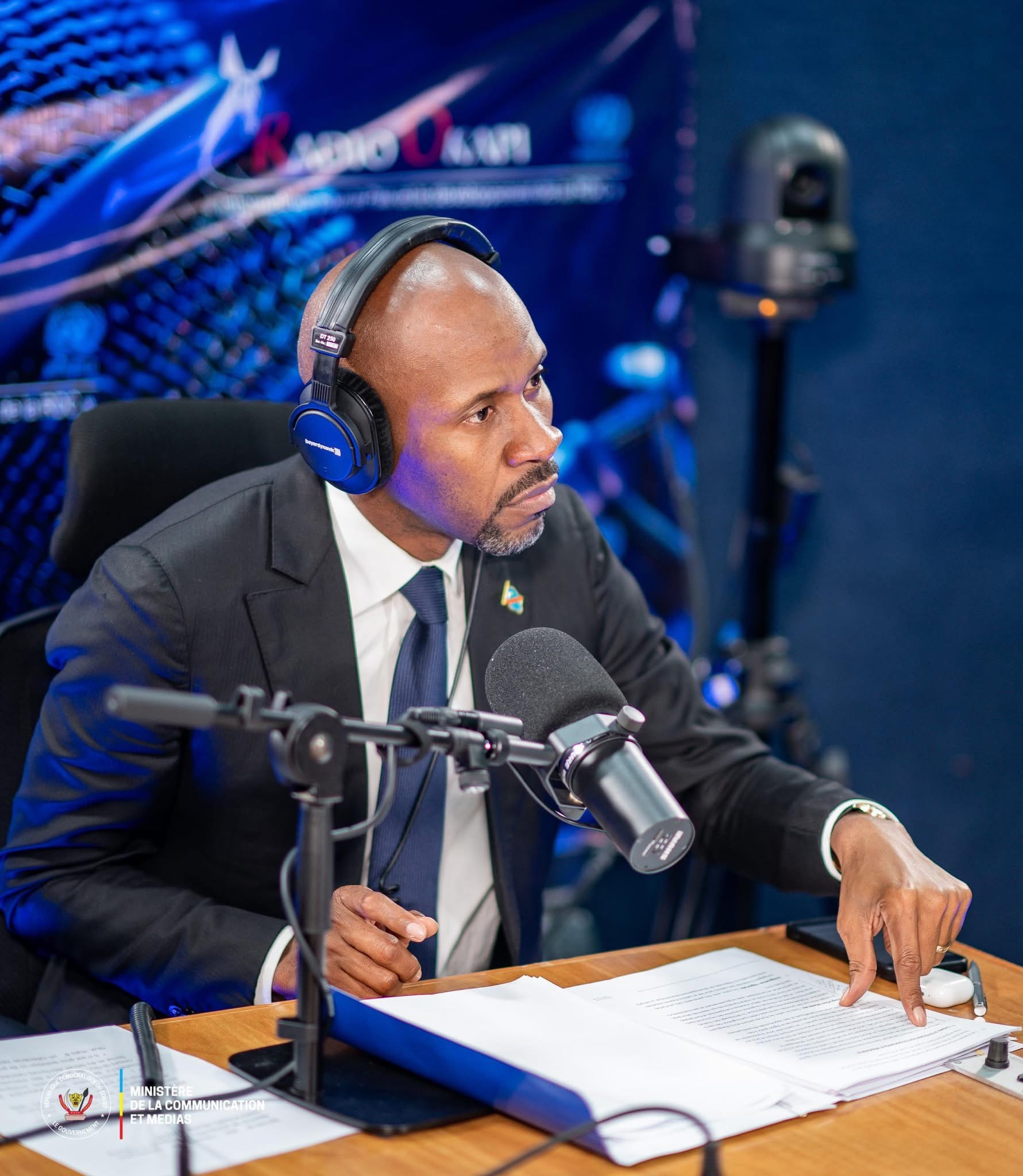
“It is psychological warfare,” says Emmanuel, a farmer from North Kivu. “If you post a video of soldiers stealing, you are immediately called a Rwandan spy, a Tutsi, a traitor. And then your video disappears. It is terrifying.”
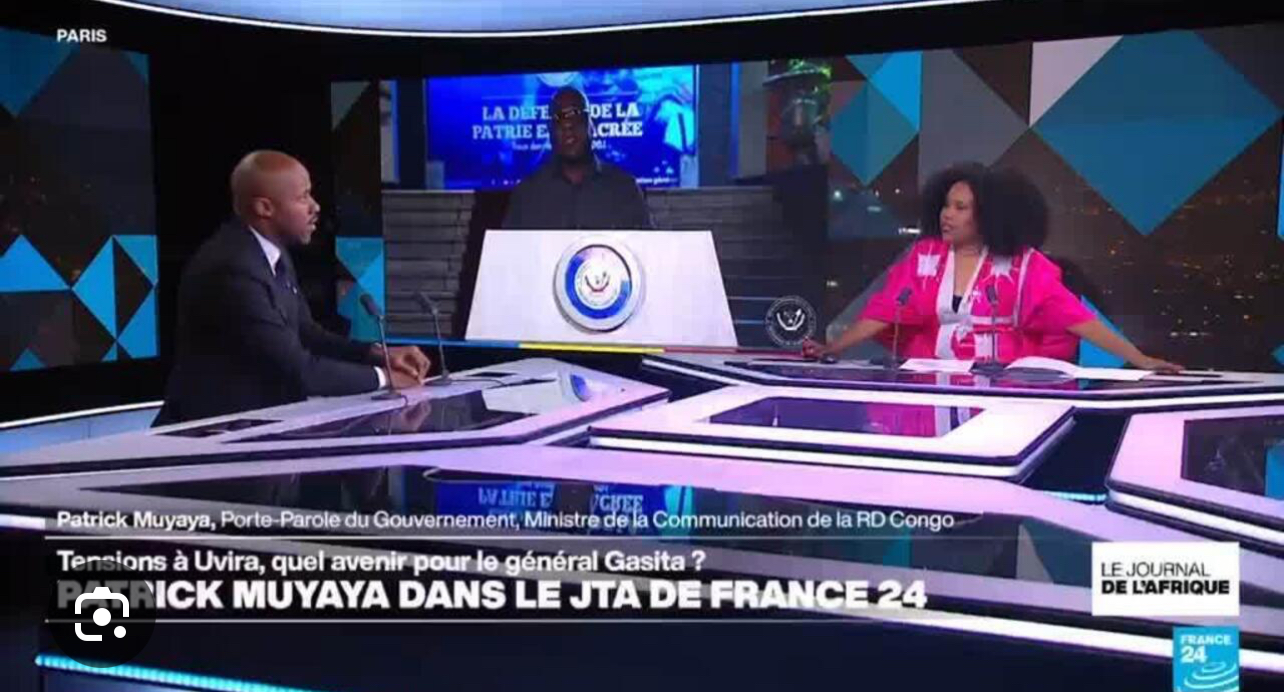
The tactics are not only defensive but also proactive. In August 2025, government spokesman Patrick Muyaya urged residents and Wazalendo government funded militiamen to flood social media with staged photographs of themselves posing with Tutsi-background communities.
The aim, he said, was to prove “harmony” and overwhelm what he described as “negative press.” For critics, it was blatant propaganda, a directive to create fake evidence to cover real abuses.
The government, for its part, insists these measures are necessary to protect national security and unity.
Observers say the strategy has dire consequences. Evidence of atrocities is being erased before investigators can archive it. Testimonies that could one day help prosecute war crimes are vanishing in real time.
“The erasure of digital evidence is as dangerous as the bullets and machetes,” a Goma based analyst explained. “It destroys the possibility of justice.”
For ordinary Congolese, the effect is suffocating. “I filmed soldiers stealing goats while drunk,” says Emmanuel. “When I put it online, it was taken down within hours. Then I started receiving threats. I deleted everything after that. Now I don’t even try.”
Yet despite the government’s reach, fragments of truth continue to slip through. Diaspora activists archive deleted clips. Encrypted groups circulate evidence long after it has disappeared from mainstream feeds. Watchdogs campaign for platforms to preserve graphic evidence of abuses, even when it violates their content rules.
But for every image saved, many more vanish. The burned bodies in Minembwe, the video of cannibalism, the mass graves, the memes, the corruption scandals, they slip away, leaving behind a sanitized story of Congo. A story curated not by its citizens, but by those in power.
“Erasure doesn’t mean the suffering is gone,” Marie, the nurse, reflected. “It only means the world will never see it. And when the world doesn’t see, it doesn’t care.”