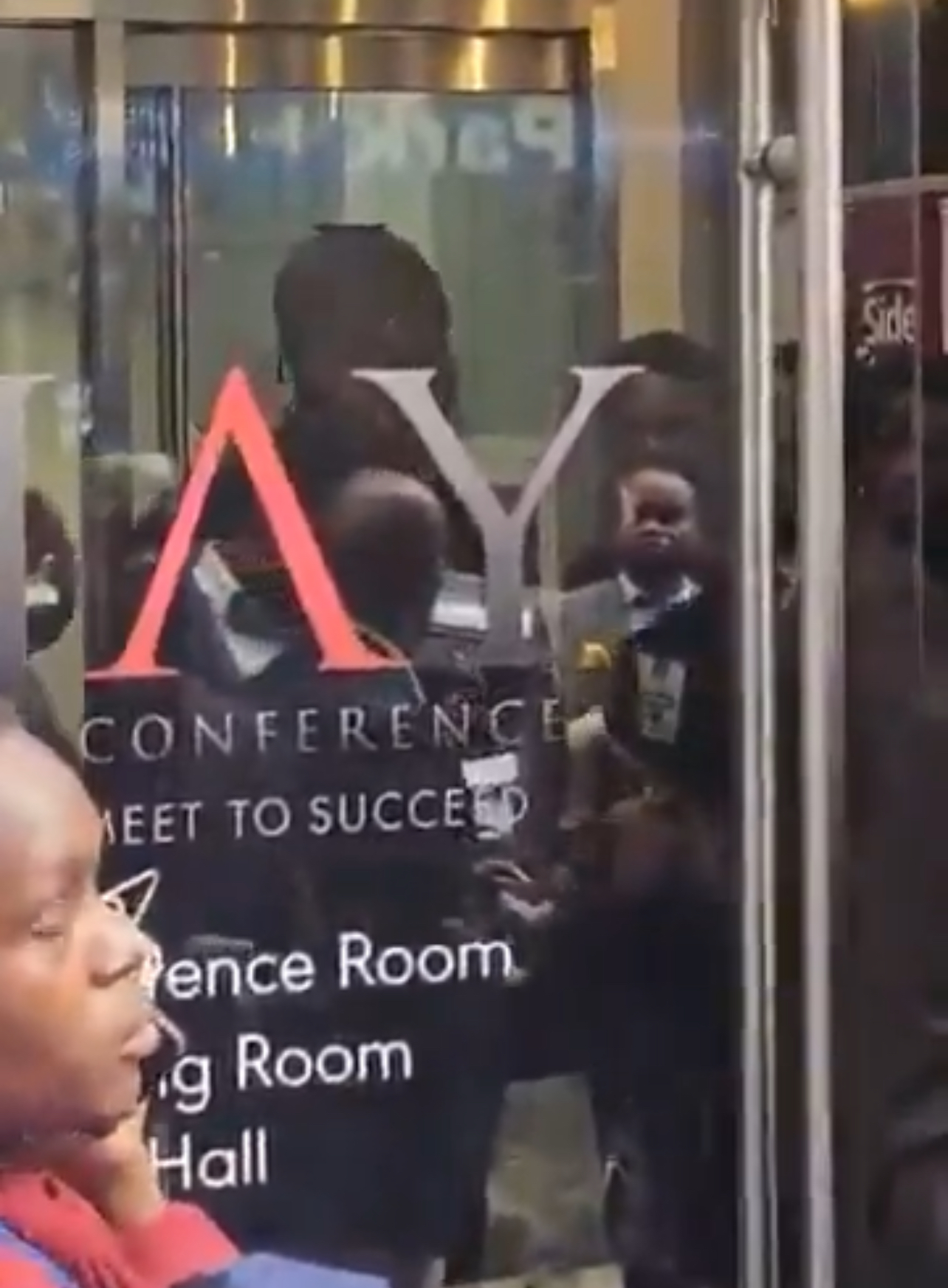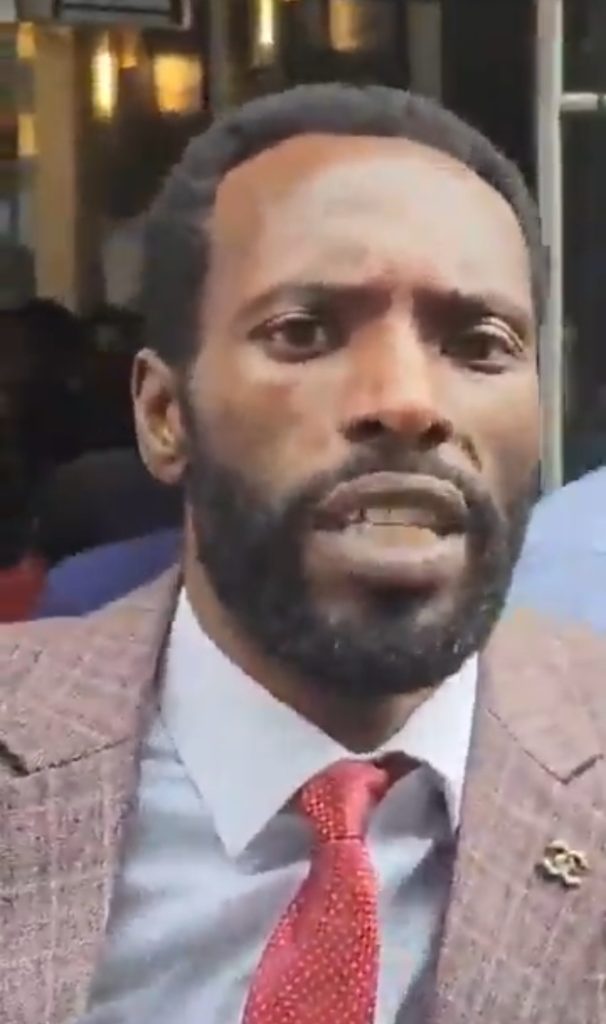
From Goma, the news spread like a cold wind. A video making the rounds on WhatsApp and X shows a Congolese man being escorted out of President Félix Tshisekedi’s public conference in the United States.
Security agents, he says, told him he “looked like Sultani Makenga,” the M23 rebel commander.
In the clip, his voice is strained with disbelief: “They came and grabbed me from the room saying that I am not supposed to be inside,” he recounts.
“They said that I look like Makenga. That I have facial features like Makenga. There is nothing wrong with looking like him. I am Congolese and I have never had any other citizenship apart from Congo,” the distressed man said.
Those words sting for many in North Kivu and South Kivu who have lived under suspicion for years. Locals immediately recognized the subtext. When someone is said to “look like Makenga,” it usually means they carry the features of a Congolese Tutsi.
In this region, such a label can be a heavy burden. Families of Tutsi heritage have long complained of being treated as if they are rebels before they even speak.
The fighting in the hills has already poisoned relations between communities. Ordinary people are paying the price. A man attending a conference thousands of miles away suddenly becomes a suspect because of his face.
For many watching the video in Goma’s cafés and market stalls, it is a painful reminder: even far from home, their neighbors and relatives cannot escape the weight of this conflict.
So far, neither the Congolese presidency nor the organizers of the U.S. event have issued a statement. But the conversation there continues: how long will people be judged not by their actions but by the shape of their features?