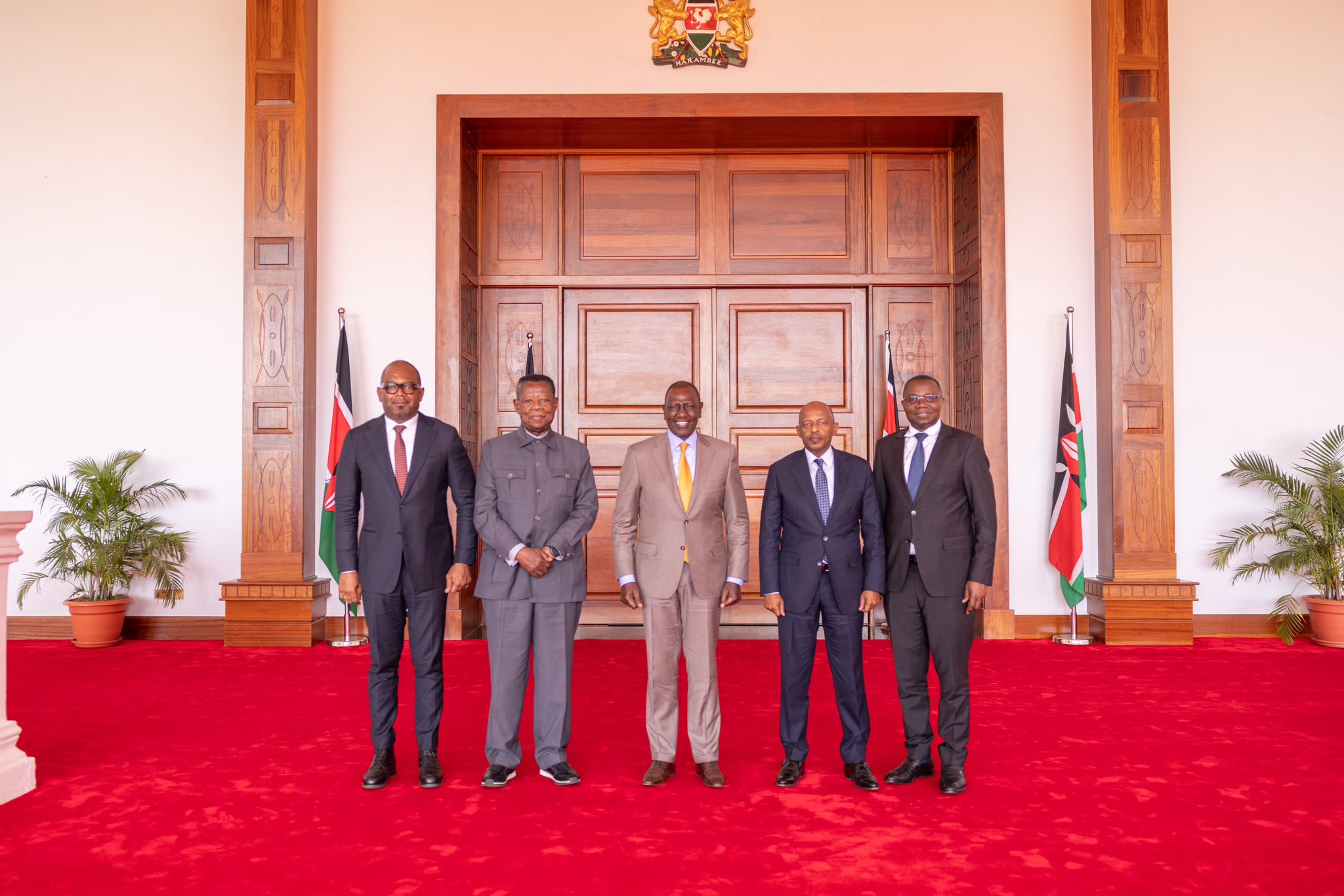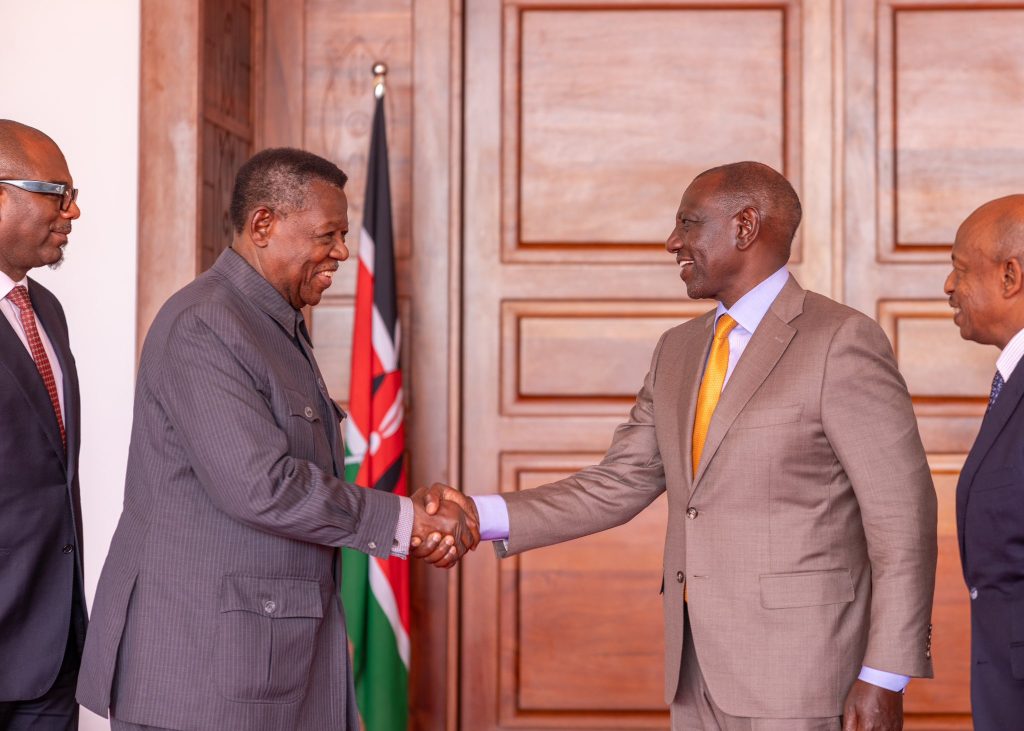
Under immense pressure following catastrophic military defeats in eastern DRC, President Félix Tshisekedi is scrambling for diplomatic solutions to salvage his collapsing government. In a desperate bid to secure regional backing, Tshisekedi has sought the intervention of Kenyan President William Ruto, Chair of the East African Community (EAC). A high-level delegation from Kinshasa, led by Lambert Mende, was dispatched to meet with Ruto to discuss the worsening crisis and explore potential political solutions.
The outreach to the EAC marks a stunning reversal for Tshisekedi, who had previously expelled the EAC Regional Force (EACRF) and turned to the Southern African Development Community (SADC) for military support. However, with SADC forces suffering a humiliating defeat and the near-total fall of eastern DRC, including major cities such as Goma, Bukavu, and Uvira, Tshisekedi is now grasping for any opportunity to prevent his government from complete collapse.
The rapid advance of the March 23 Movement (M23) has left the Congolese army (FARDC) in ruins. Thousands of soldiers have surrendered or defected to M23, while others have fled into the jungles alongside Tshisekedi’s foreign mercenaries. Entire military units have abandoned their positions or been captured as prisoners of war, leaving Kinshasa’s forces in a state of disarray.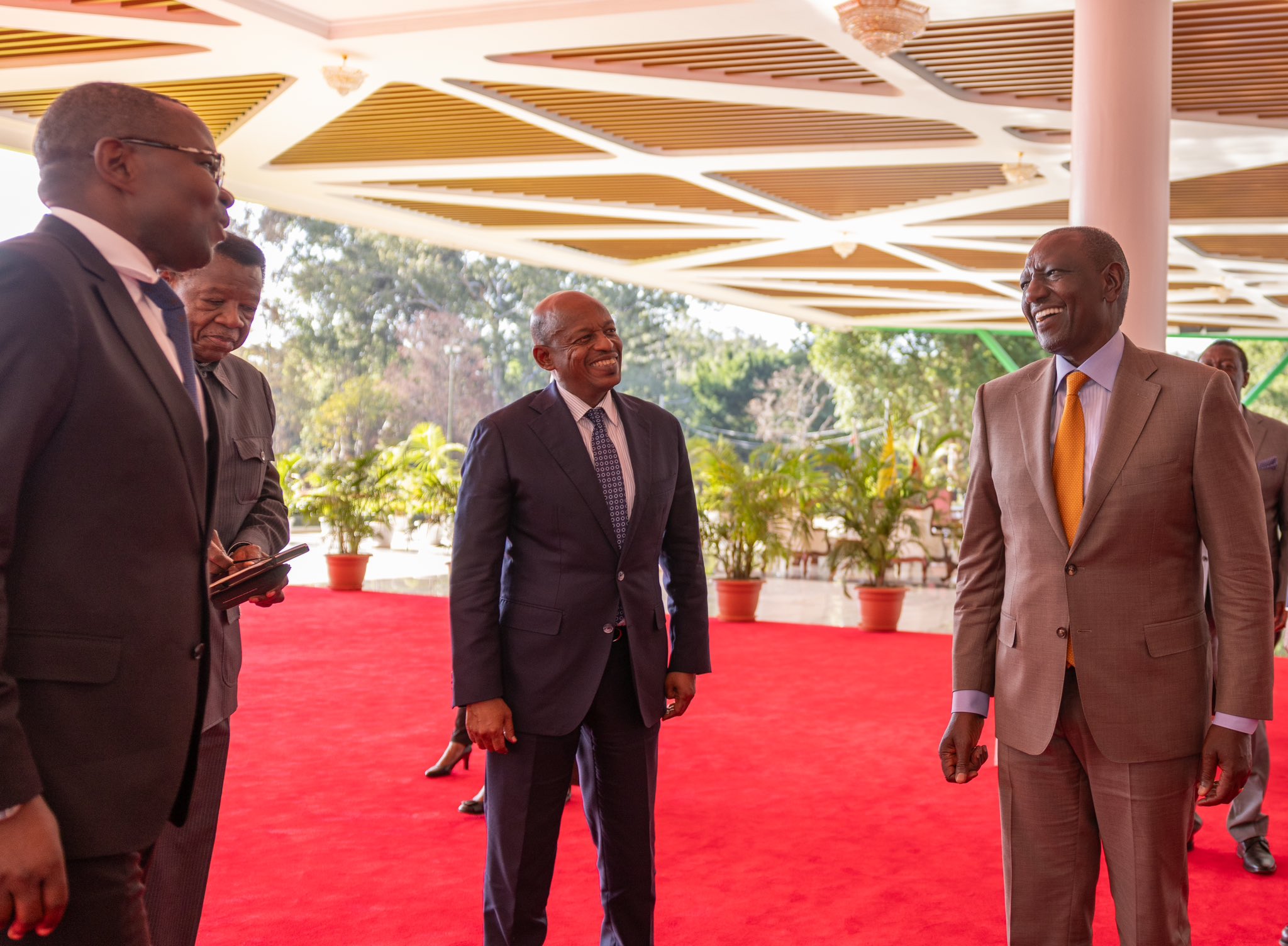
Tshisekedi’s much-hyped reliance on SADC forces has turned into an embarrassing failure. Instead of reversing M23’s gains, SADC troops have been outmaneuvered and forced into retreat, leaving Kinshasa humiliated on the regional stage. With no clear military victory in sight, Tshisekedi is now being abandoned by both his army and foreign backers, making his hold on power increasingly tenuous.
With the fall of Goma, Bukavu, and Uvira, Kinshasa is losing its grip on eastern DRC, a region vital for economic stability and national security. The war has devastated state finances, fueled public discontent, and triggered growing opposition within Tshisekedi’s own political ranks. His closest allies are now turning against him, while the Congolese people, witnessing the collapse of the state, no longer believe in his leadership. With rising instability in the capital and a military in retreat, speculation is growing that his presidency may not survive the crisis.
Facing military disaster and political isolation, Tshisekedi’s decision to re-engage the EAC and seek help from President Ruto is an admission of failure. This comes after his Western allies, including the United States and European powers, have distanced themselves, unwilling to back a government that has lost control. The African Union (AU) and United Nations (UN) have also begun pressuring Kinshasa to pursue dialogue instead of escalation.
Tshisekedi’s sudden shift toward diplomacy is widely seen as a desperate attempt to buy time. However, with eastern DRC effectively lost, his military shattered, and his political allies retreating, his fate may already be sealed. With his army in ruins, SADC forces humiliated, and opposition growing, the likelihood of his removal is increasing by the day. Power struggles within Kinshasa are intensifying, and as armed groups consolidate control over eastern DRC, a coup, forced resignation, or internal political realignment could be imminent.
For now, Tshisekedi’s plea to Ruto and the EAC suggests he knows his time is running out. However, with no military path to victory and his government crumbling under pressure, his survival as president remains uncertain at best.