

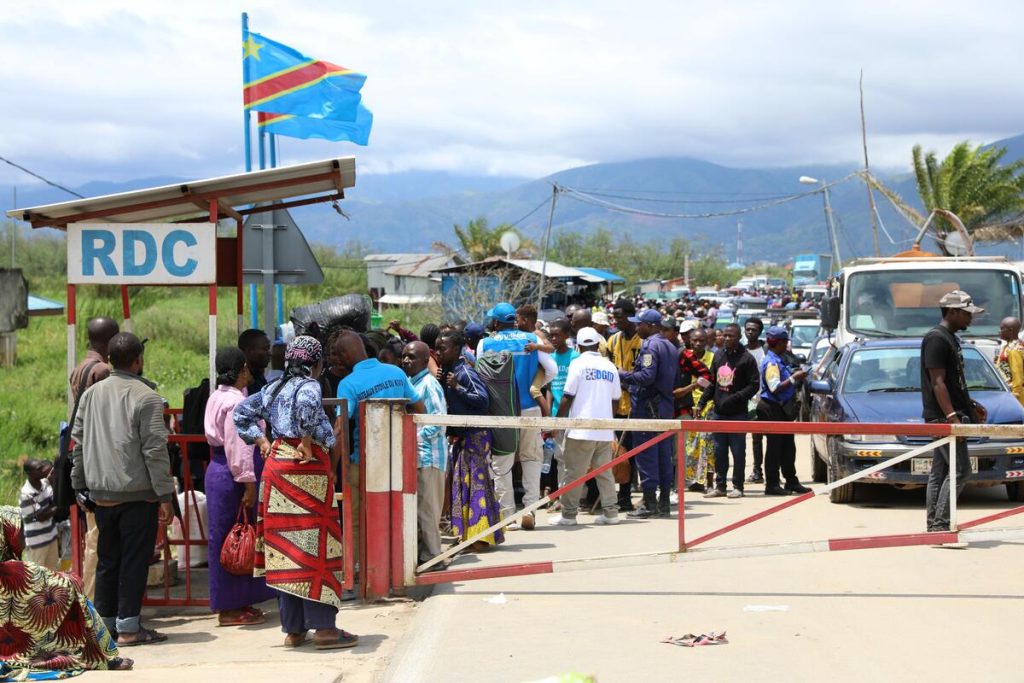
The U.S. Department of State has ordered the departure of family members and authorized non-emergency U.S. government employees to leave Mission Burundi due to rising security concerns. The U.S. Embassy in Bujumbura remains operational but will only provide emergency consular services, as tensions along Burundi’s borders with Rwanda and the Democratic Republic of the Congo (DRC) continue to escalate.
A travel advisory issued on February 22, 2025, has raised Burundi’s risk level to Level 3, urging travelers to reconsider visits due to ongoing military conflict, political violence, crime, and health risks. Specific areas, including Cibitoke and Bubanza provinces and Kibira National Park, have been classified as Level 4, with strong warnings against travel due to the threat of armed violence.
“The security situation remains unpredictable. Given the risk factors, we urge U.S. citizens in Burundi to consider departing while commercial options are available,” said a U.S. State Department official. “The ability of the U.S. government to provide emergency services in certain regions is extremely limited.”
The advisory highlights serious threats, including violent crime, carjackings, home invasions, grenade attacks, and armed robbery, with foreigners and individuals suspected of possessing large sums of cash being particularly vulnerable. The situation is compounded by Burundi’s under-resourced law enforcement, which has limited capacity to respond effectively to criminal incidents.
Concerns about political violence remain high, with police and military checkpoints frequently limiting movement. Authorities have been conducting searches of private residences for weapons, raising fears among residents. Additionally, border closures could be implemented without prior notice, further complicating travel and security conditions.
Medical services in Burundi are also cited as a major concern, falling well below international standards. The advisory warns that trauma care is inadequate, emergency medical services are scarce, and even minor health issues could require costly medical evacuation. Travelers are strongly encouraged to obtain medical evacuation insurance before entering the country.
A U.S. citizen currently in Bujumbura described the situation as tense. “You can feel the anxiety in the air. People are trying to go about their daily lives, but everyone knows that things could change very quickly,” the individual said on condition of anonymity.
In response to the deteriorating conditions, U.S. personnel in Burundi face travel restrictions, including a prohibition on movement outside Bujumbura Mairie during nighttime hours. Travel to high-risk locations such as the Gatumba border crossing and areas east of the Rusizi River in Bujumbura is strictly restricted.
The U.S. government has urged its citizens in Burundi to enroll in the Smart Traveler Enrollment Program (STEP) to receive real-time alerts and security updates. U.S. citizens are also advised to avoid large gatherings, remain aware of their surroundings, and develop contingency plans for emergencies.
With tensions showing no signs of easing, American travelers are being advised to reconsider any plans to visit Burundi in the near future. “Given the unpredictability of the situation, our best advice is to remain vigilant and, if possible, leave while commercial travel remains an option,” said the State Department official.