

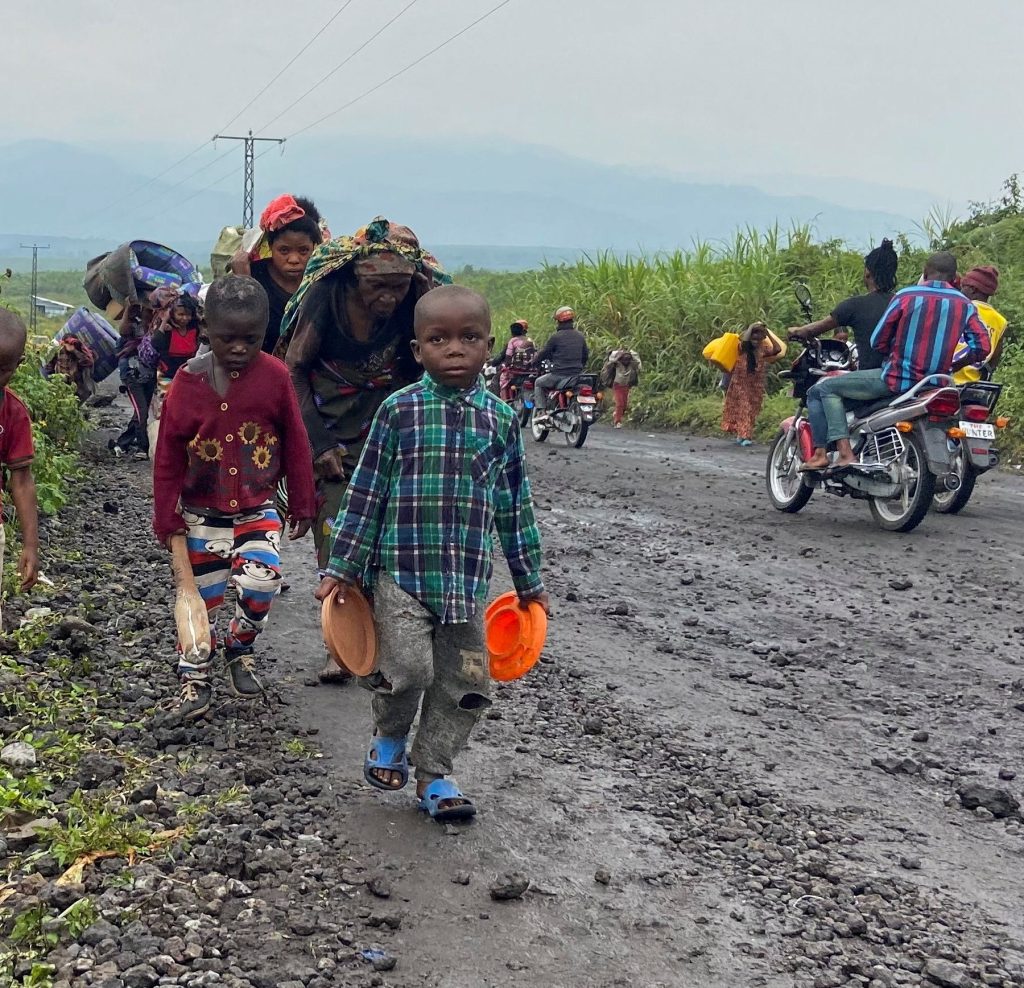
Local communities across eastern DRC bear the brunt of these double standards. In remote villages from Ituri to North Kivu, survivors recount harrowing stories of displacement, lost livelihoods, and the abandonment of their cries for help. One community elder, speaking anonymously, described how aid convoys, once a lifeline during the worst of the conflict, were systematically blocked—not by insurgents alone, but by state actors colluding with foreign mercenaries. This systemic neglect is compounded by the international community’s selective engagement; while the FCDO’s rhetoric condemns the insurgency, it remains conspicuously silent on the atrocities committed by government-backed forces. Such silence deepens the sense of betrayal felt by those who have long suffered, and it raises critical questions about the true priorities of international intervention.
The implications of this selective narrative extend far beyond political posturing. For local populations, the stakes are nothing less than survival. Humanitarian corridors have been severed, leaving nearly a million people without access to essential aid—a situation that echoes the missteps of past international interventions. Analysts point out that the FCDO’s focus on M23 and its Rwandan allies conveniently obscures decades of systematic violence perpetrated by state-affiliated groups. This skewed narrative not only undermines the prospects for a just resolution but also fuels further instability, as communities are forced to navigate a labyrinth of competing violences with little hope of impartial mediation.
Moreover, this selective outrage has real political ramifications. The FCDO, tasked with upholding the UK’s moral authority on the global stage, now finds itself embroiled in accusations of complicity and moral double standards. Innocent Ntezi’s pointed critique—challenging the department to address its own inaction and the historical context of international neglect—serves as a stark reminder that these are not isolated incidents, but part of a broader pattern of selective engagement. The international community, especially the UK, must reexamine its approach if it is to regain any semblance of credibility. The path forward, according to critics, lies in a comprehensive strategy that does not merely condemn isolated actors but confronts the entire network of violence—from state-sanctioned brutality to insurgent uprisings—with equal scrutiny.
In exposing these layers of hypocrisy, the analysis calls for a new framework of accountability—one that demands transparency, addresses the root causes of the conflict, and prioritizes the humanitarian needs of the affected populations over geopolitical interests. Only by dismantling these entrenched double standards can there be hope for a durable peace in eastern DRC—one that honors the voices of its people rather than the selective narratives of international agencies.