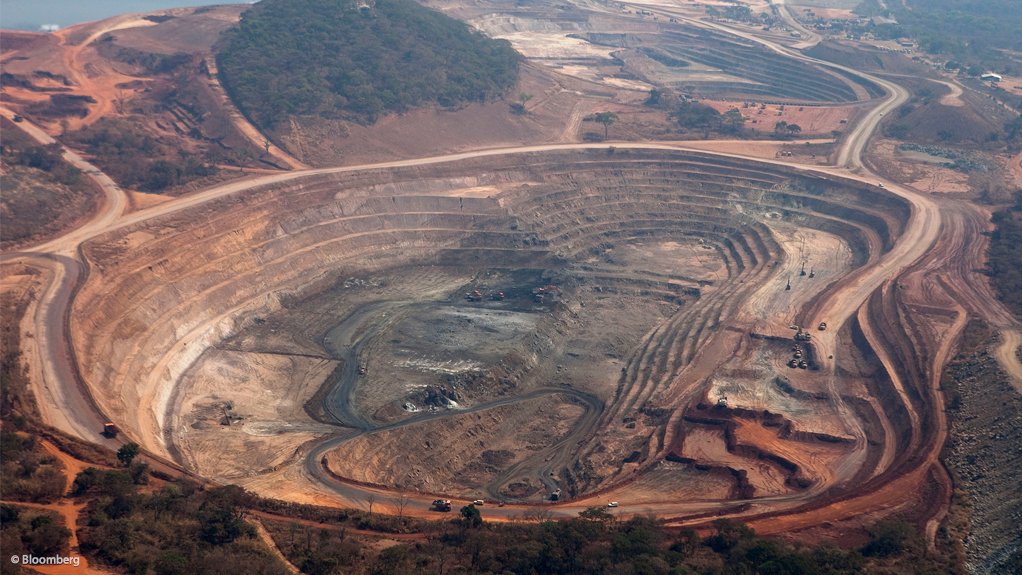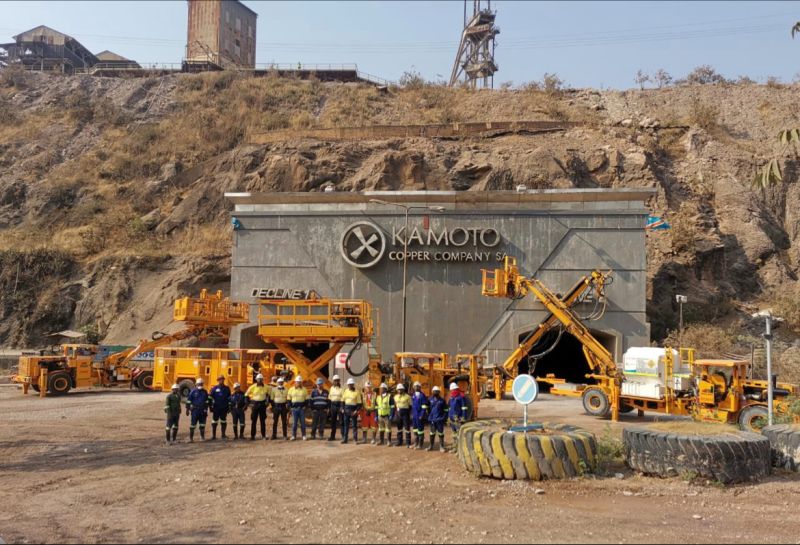
The Democratic Republic of Congo tax authorities have intensified their standoff with mining giant Glencore after tax officials ordered the closure of the administrative offices of its subsidiary, Kamoto Copper Company (KCC), in the city of Kolwezi, Lualaba Province, over an unresolved fiscal dispute.
The action follows a disagreement between the country’s tax administration and the company over what officials say are substantial outstanding financial obligations to the state.
Although the administrative premises have been closed, mining and mineral processing activities at the Kamoto complex in Lualaba Province are continuing normally, with no immediate disruption to production.
Neither the Congolese government nor the company has publicly disclosed the exact amount being contested. Glencore has maintained that it disagrees with the tax assessment and is continuing discussions with government authorities in an effort to reach a resolution.
Kamoto Copper Company ranks among the Democratic Republic of Congo’s largest copper and cobalt producers. Glencore holds a 75 percent stake in the operation, while state-owned Gécamines owns the remaining 25 percent.
During 2025, the mine produced roughly 186,000 tonnes of copper and approximately 29,000 tonnes of cobalt, with expansion plans aimed at lifting annual copper output to around 300,000 tonnes.
The dispute comes as the Democratic Republic of Congo strengthens oversight of its mining industry, a sector that generates the bulk of the country’s export earnings.
The government has increasingly pursued tougher enforcement of tax compliance, royalties and mining agreements, arguing that the exploitation of the country’s vast mineral resources should deliver greater returns to the national treasury.
Lualaba Province, where Kolwezi is located, is the heart of the DRC’s copper and cobalt industry and hosts some of the world’s richest deposits of both minerals.
The DRC is Africa’s largest copper producer and the world’s biggest source of cobalt, supplying more than 70 percent of global cobalt production.
The country produced an estimated 3.3 million tonnes of copper in 2025, reinforcing its strategic importance to industries ranging from electric vehicles and renewable energy to artificial intelligence and advanced electronics.
For now, operations at Kamoto remain unaffected, easing concerns over immediate supply disruptions. Nevertheless, the dispute is expected to draw close attention from global commodity markets and investors, given the mine’s significant contribution to international copper and cobalt supply chains and the growing importance of the DRC in the global critical minerals market.