Tensions surrounding the conflict in Eastern Congo have intensified after accusations of disinformation were directed at government spokesperson Patrick Muyaya over statements about detainees from South Kivu.
For many members of the Banyamulenge community, the controversy is not only about competing political narratives. It is about the fate of young men who disappeared into the prison system and the fear that their arrests were linked more to identity than to any crime.
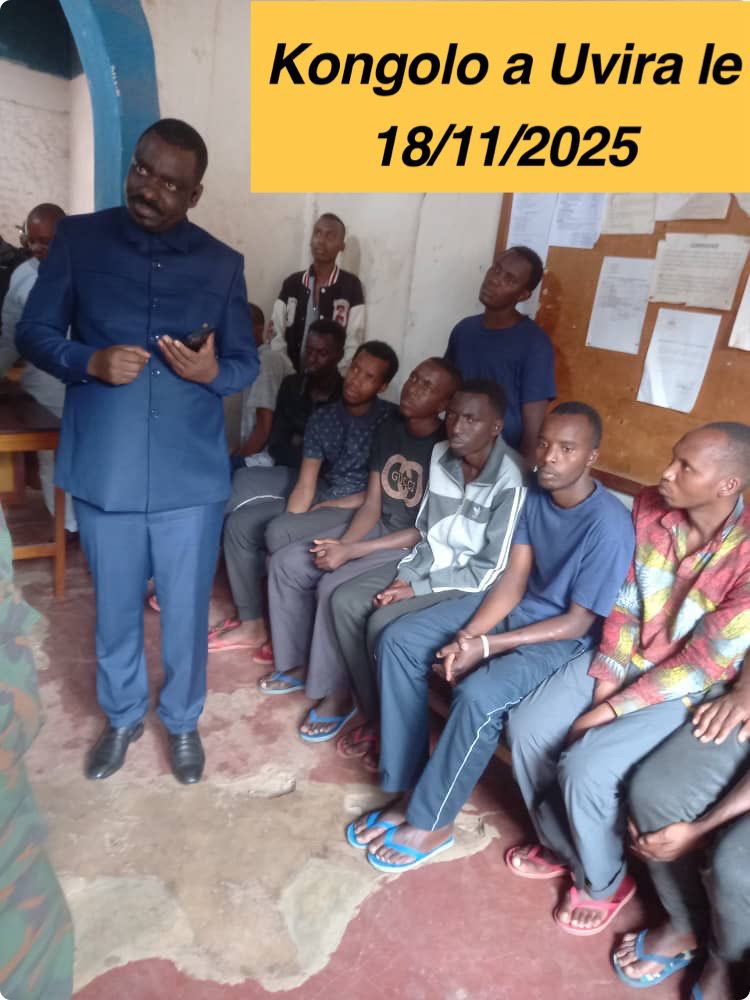
According to accounts circulating among Banyamulenge advocates, several men were arrested on 18 November 2025 during what they describe as a humanitarian blockade affecting civilians in the Haut Plateaux area near Uvira in eastern Democratic Republic of the Congo.
The arrests were reportedly carried out by Burundian troops operating alongside the Armed Forces of the Democratic Republic of the Congo, commonly known as FARDC, as well as local militias grouped under the name Wazalendo militias and fighters from the Democratic Forces for the Liberation of Rwanda.
Families say the men were taken to Uvira and handed over to Congolese authorities. Some remain in detention months later.
Advocates argue the arrests fit a pattern they describe as “prisonniers de faciès,” detentions based on ethnic appearance or identity rather than specific criminal charges. In a region where ethnicity has long shaped suspicion and violence, the claim resonates deeply.
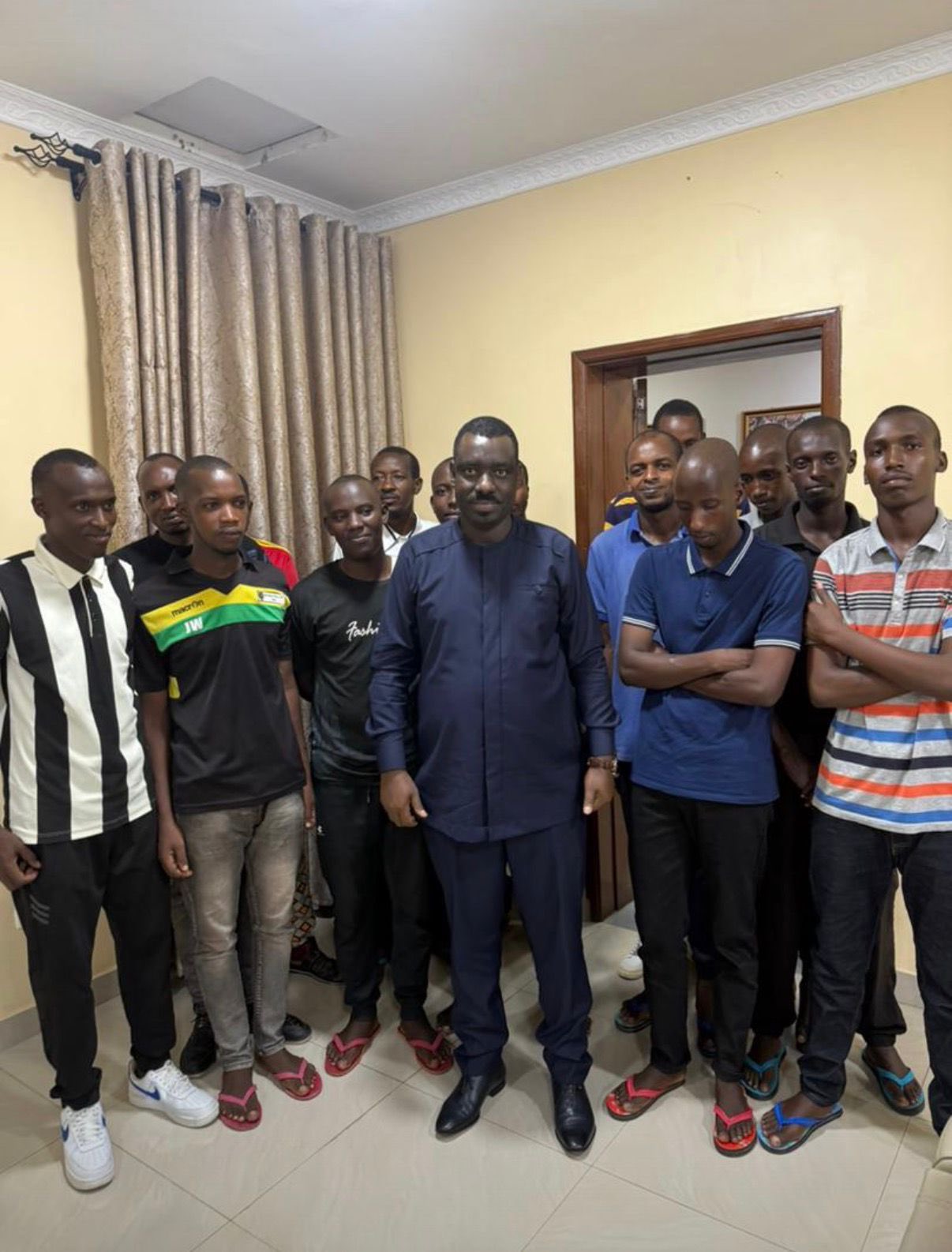
The debate escalated after photographs circulated online showing young men presented as detainees released under the government’s disarmament and reintegration initiative, the PDDR-S program. Government communication suggested the individuals were former combatants benefiting from reintegration measures.
Critics dispute that portrayal. They say the program has largely stalled and argue that many militias previously targeted for disarmament have instead been politically reframed as patriotic “Wazalendo” forces. For families searching for answers, the images have raised more questions than reassurance.
Human rights advocates also point to the number of detainees still being held. Reports indicate that more than 1,000 people remain imprisoned in facilities such as Ndolo Prison and Makala Central Prison in Kinshasa. Some of those detained, advocates say, are suspected of links to rebel movements simply because they are perceived to be ethnic Tutsis.
The situation has also renewed scrutiny of the presence of the Burundi National Defence Force in eastern Congo. Burundi deployed troops to the region in 2022, saying the mission was intended to combat armed groups operating near its border.
Critics, however, argue that Burundian troops have frequently conducted operations alongside FARDC units and local militias accused by Banyamulenge groups of targeting their communities.
Some activists also allege that Burundi has recruited Banyamulenge men from refugee camps and sent them back into the conflict zone to fight against militias such as Twirwaneho or the rebel movement March 23 Movement. These claims remain contested but reflect the growing regional dimension of the war.
For many Banyamulenge families, memories of earlier violence remain painfully close. The accusations circulating this week have revived recollections of the 2004 attack on refugees at the Gatumba Refugee Camp in Burundi, where more than 150 Banyamulenge refugees were killed. Survivors have long argued that justice for the victims was never fully achieved.
Today, as the conflict in Eastern Congo continues to involve a complex web of militias, foreign troops and political alliances, the battle over information has become almost as intense as the fighting itself.
Government officials, armed groups and community representatives all seek to shape how events are understood beyond the region.
For families waiting for news of detained relatives, however, the issue is far more personal.
Behind the statements and counter-statements are young men whose futures remain uncertain, and communities that fear once again being caught in the middle of a war defined as much by identity as by territory.