

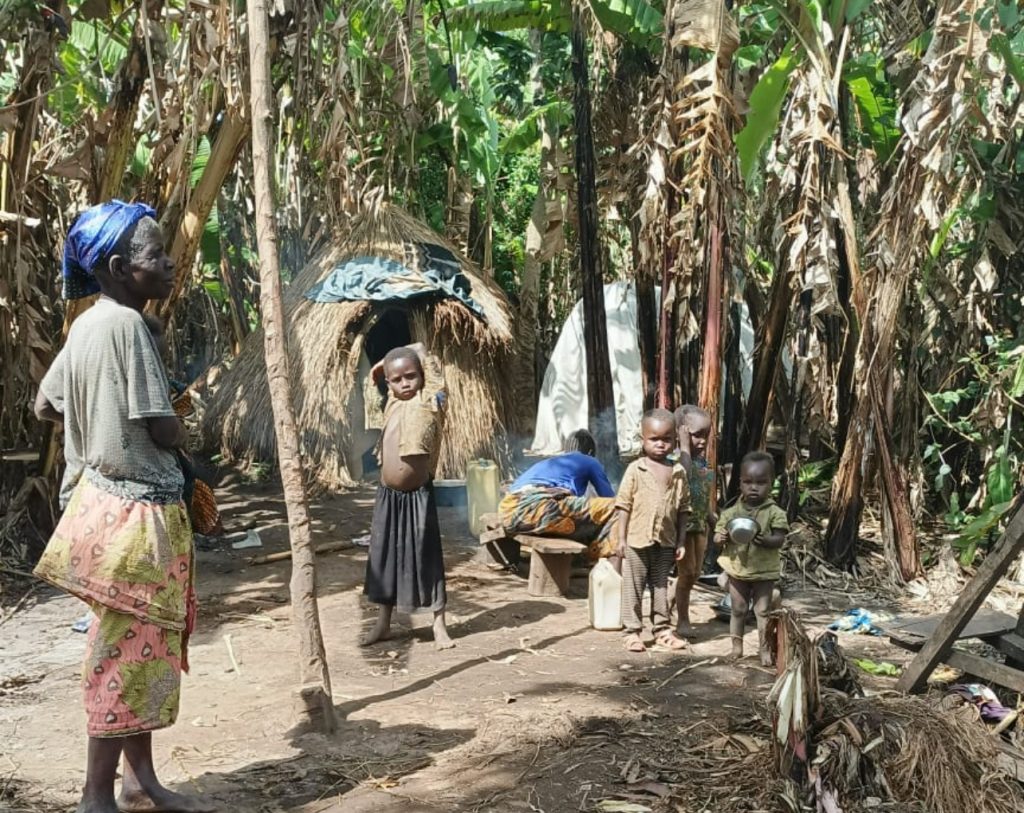
A deadly incident in eastern Democratic Republic of the Congo on Friday has sparked outrage after soldiers from the national army allegedly opened fire on civilians heading to their fields in the troubled province of Ituri Province.
According to local accounts, the attack occurred on March 6, 2026, at approximately 10:25 a.m. in the locality of Duunga, in the Jaïba groupement of the Bahema Badjere chiefdom.
Witnesses say elements of the Armed Forces of the Democratic Republic of the Congo (FARDC) fired live ammunition and launched explosive devices at civilians who were traveling to their farmland.
Residents described scenes of panic as people fled for safety. Farmers and villagers were reportedly caught in the attack while following their daily routine of heading to fields to work.
Local community representatives have condemned the incident, describing it as a shocking reversal of roles in which the national army—tasked with protecting civilians—became the aggressor.
“It is unacceptable that those responsible for safeguarding the population would instead turn their weapons against them,” one community figure said in a statement following the attack.
The violence has renewed calls for international oversight. Local leaders have urged the United Nations peacekeeping mission, United Nations Organization Stabilization Mission in the Democratic Republic of the Congo (MONUSCO), as well as the Uganda People’s Defence Force (UPDF), to actively monitor and document the alleged abuses.
Community representatives say passive observation is no longer sufficient as civilians in Ituri continue to face mounting insecurity.
Ituri has been one of the most volatile regions in eastern Congo in recent years, with communities frequently caught between armed groups, militias, and security operations.
While the FARDC has been deployed to restore stability, allegations of abuses by state forces have periodically surfaced, further eroding trust between civilians and authorities.
Local leaders are now calling for an immediate investigation into the incident, protection for the civilian population, and accountability for those responsible.
For residents of Duunga and surrounding villages, the attack has deepened fears in a region where many people already live under constant threat.
As one villager put it, “The people of Ituri are suffering greatly, and the protection they were promised still feels far away.”