


The war in eastern Democratic Republic of the Congo has become one of Central Africa’s most expensive and heavily militarised conflicts; and one of its most inconclusive.
President Félix Tshisekedi has said the campaign cost an estimated $4 billion, a staggering sum for a country with acute development needs.
M23 re-emerged as a major fighting force in North Kivu, seizing several strategic areas and defying repeated predictions of its imminent collapse.
To confront the rebellion, Kinshasa assembled a coalition exceeding 170,000 personnel: around 100,000 FARDC regulars, more than 50,000 Wazalendo militias, 15,200 Burundian troops across 19 battalions, 2,000 to 3,000 FDLR fighters, and SADC’s SAMIDRC mission, authorised for up to 5,000 soldiers.
Intelligence assessments cited in regional security circles suggested the mobilisation served a dual purpose; not only to defeat M23, but to lay the groundwork for a later confrontation with Rwanda.
President Tshisekedi had made a series of public statements using confrontational language toward Kigali, which Rwandan officials interpreted as an open declaration of hostile intent.
Rwanda denied backing M23, saying its actions were focused on border security and preventing attacks from hostile armed groups, including FDLR elements it described as a direct threat to Rwandan territory.
SAMIDRC never reached its authorised strength. Fewer than 4,000 troops were present in the early phase of 2024.
By mid-2025, a phased humiliating withdrawal was under way after dozens of South African soldiers were killed.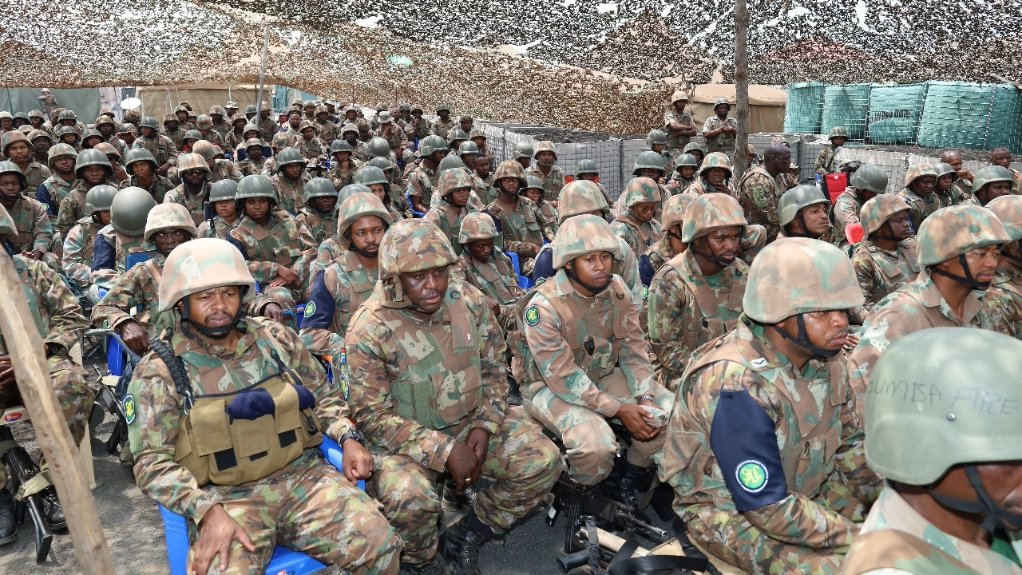
Despite the scale of the coalition, M23 endured.
Military observers pointed to its superior mobility and use of terrain, the fragmented command among coalition partners, and chronic morale and supply failures within the larger forces arrayed against it.
The conflict’s persistence was compounded by its economic dimension.
North and South Kivu hold vast deposits of coltan, tin, tungsten and gold, and sit astride cobalt trade networks critical to global technology supply chains.
Control of roads, border crossings and mining corridors offered both military and commercial advantage, giving armed actors strong incentives to fight on.
Behind the troop figures and the billions spent lay a humanitarian emergency of considerable scale.
Millions of civilians faced displacement, food insecurity and repeated movement between front lines and overcrowded camps.
No decisive outcome emerged.
The war’s persistence reinforced what regional analysts have long argued: conflicts driven by security fears, ethnic grievance, border politics and mineral competition are rarely resolved by numbers alone.
The Walk of Shame: South African Soldiers’ Humiliating Exit Through Rwanda