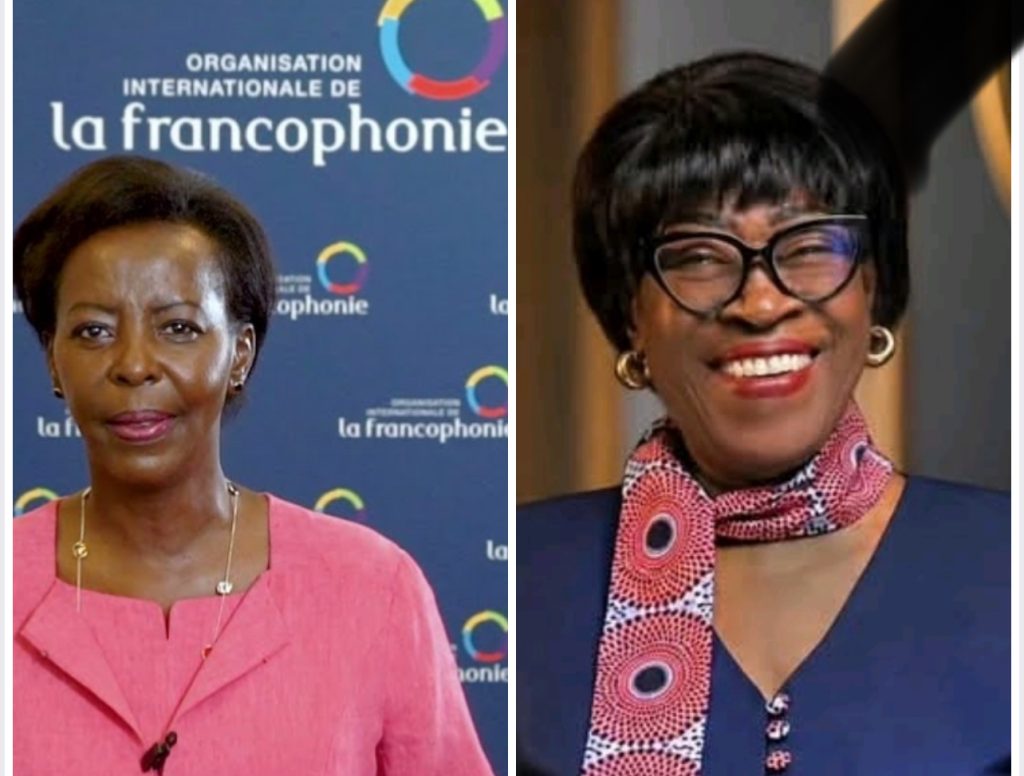
Rwanda has intensified its diplomatic campaign to secure another term for Louise Mushikiwabo as Secretary General of the Organisation Internationale de la Francophonie (OIF), with President Paul Kagame formally seeking Morocco’s support ahead of the crucial elections scheduled for November 2026 in Cambodia.
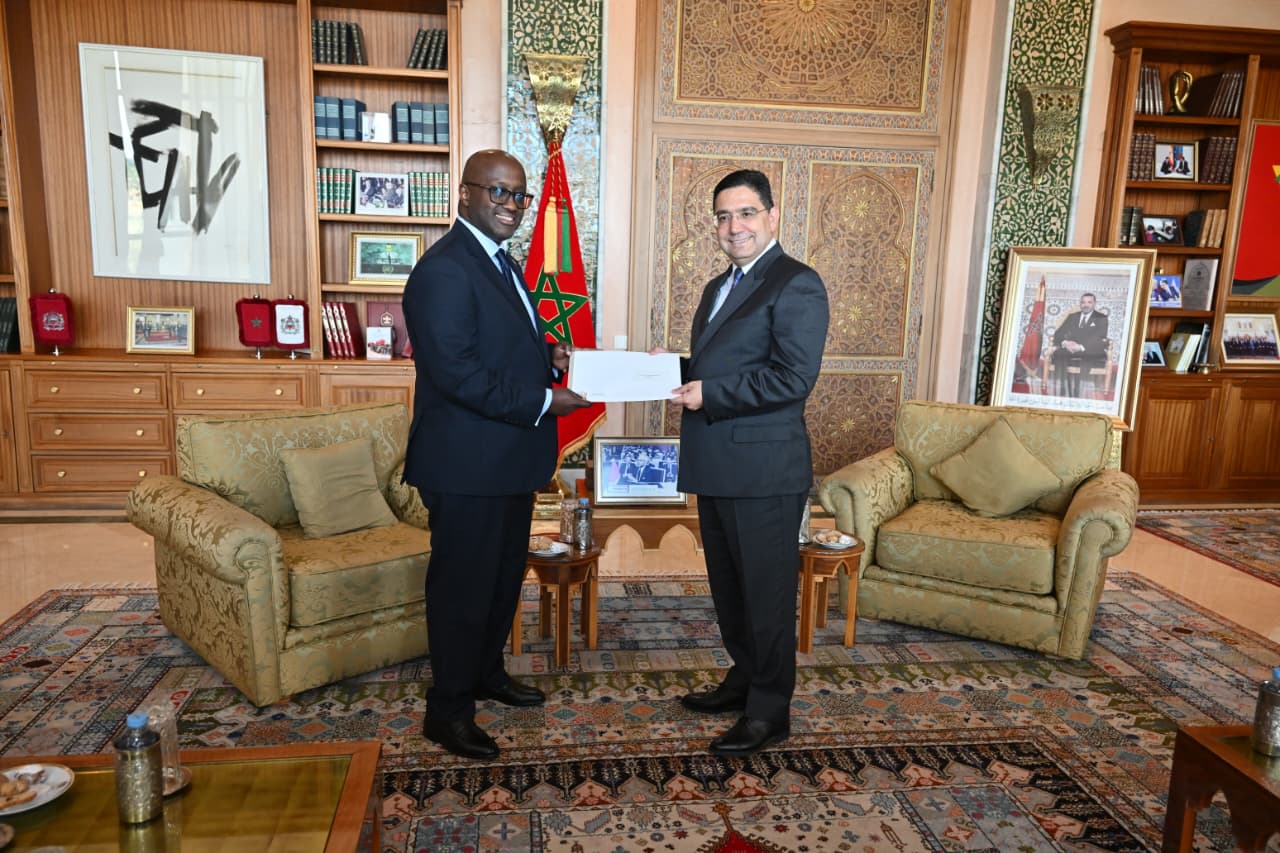
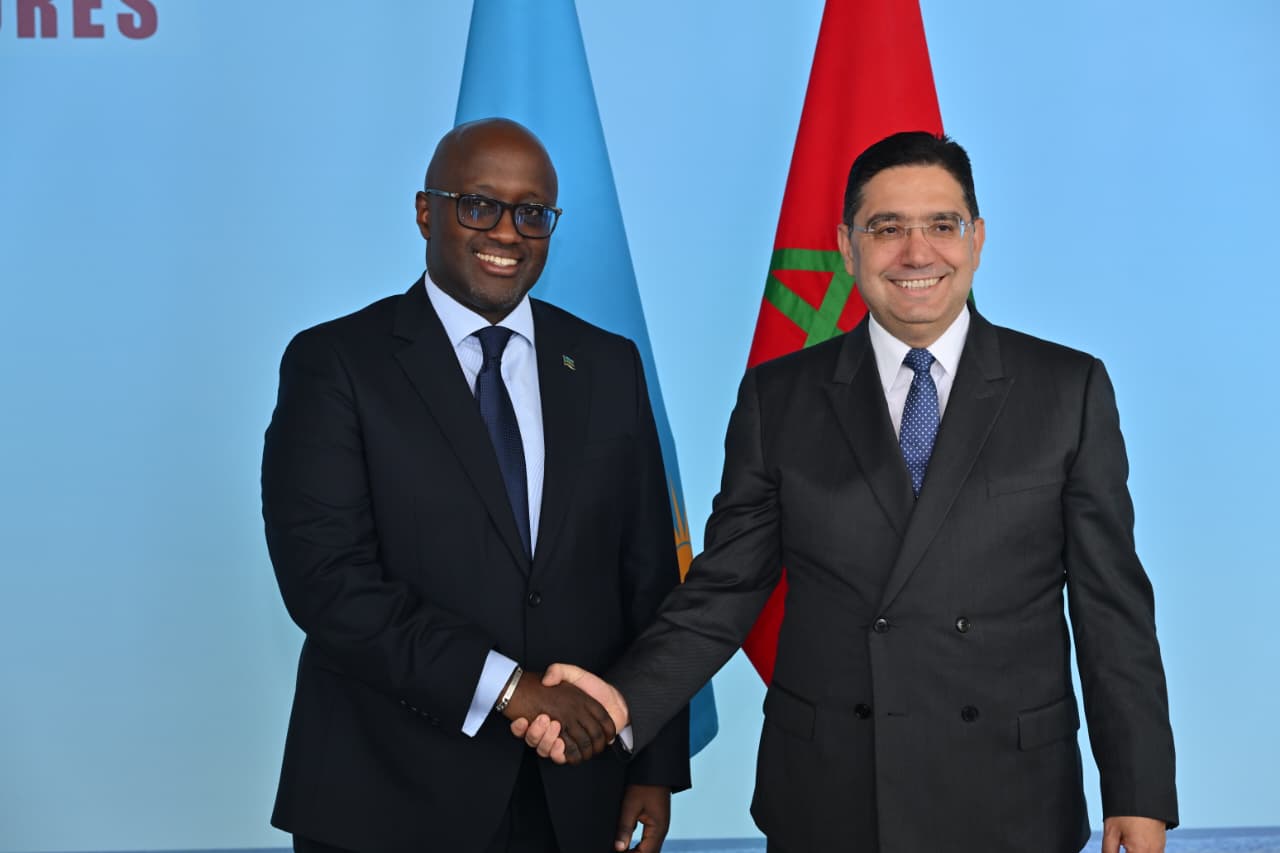
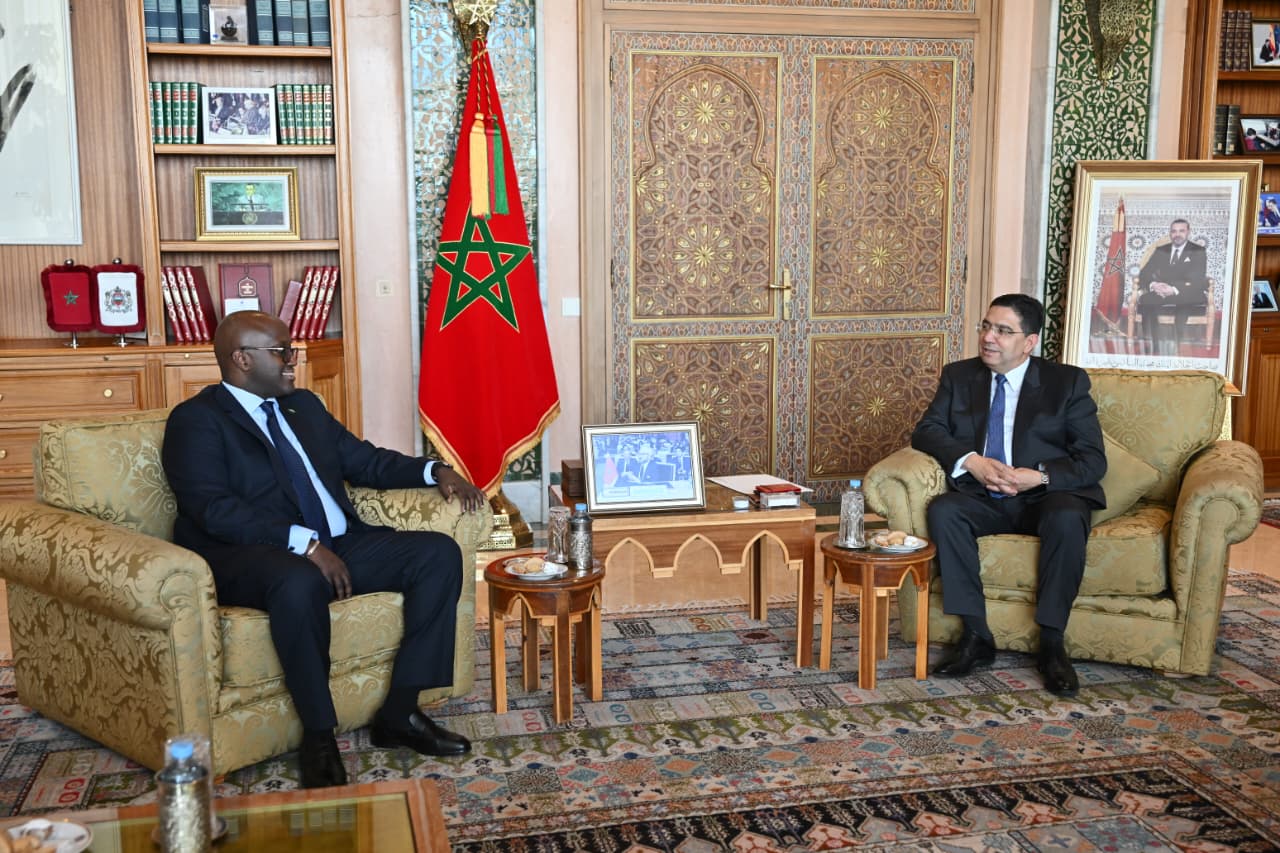
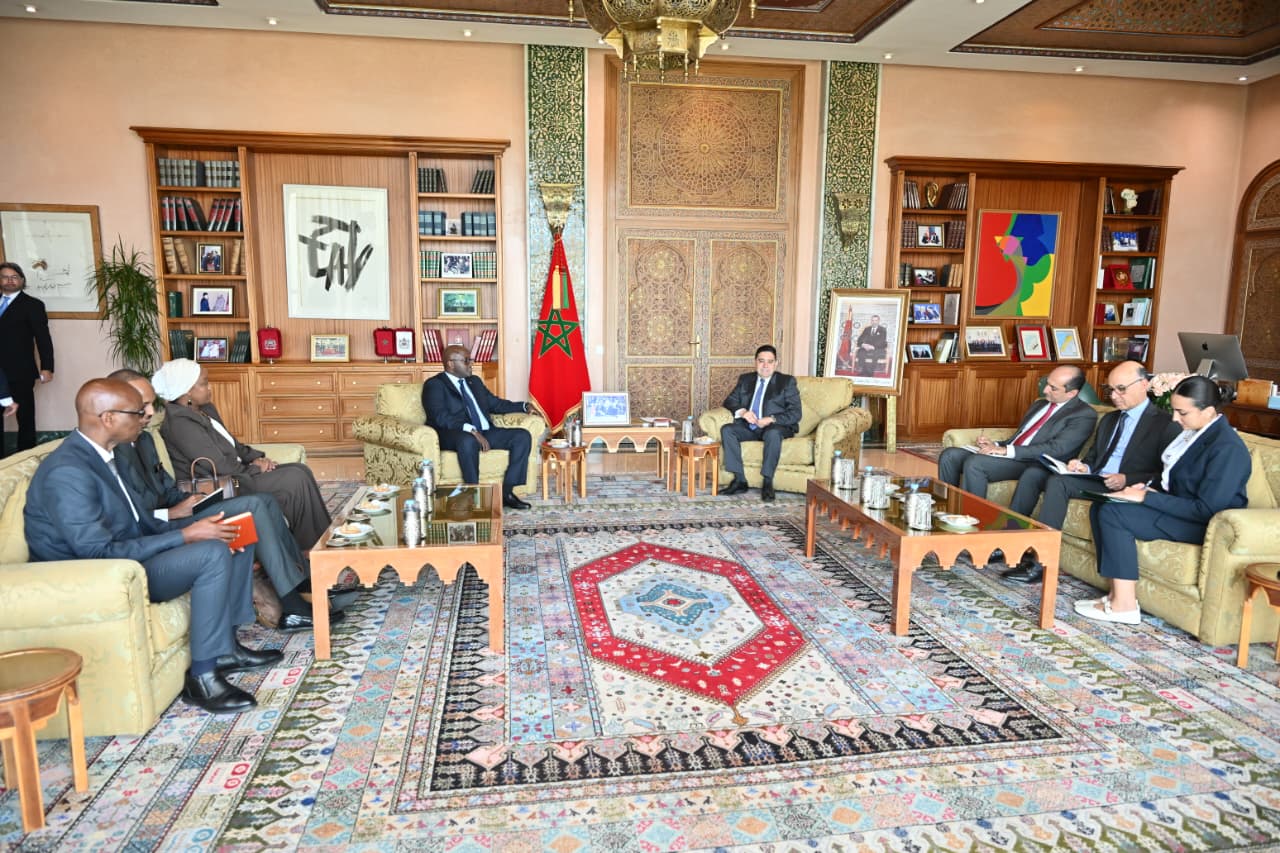
The renewed lobbying effort emerged during a bilateral meeting held in Rabat between Rwanda’s Minister of Foreign Affairs and International Cooperation, Olivier Nduhungirehe, and Morocco’s Foreign Minister, Nasser Bourita.
During the meeting, Minister Nduhungirehe delivered a message from President Kagame to King Mohammed VI of Morocco requesting Rabat’s backing for Mushikiwabo’s candidature for a second term at the helm of the Francophonie, one of the world’s largest international organizations bringing together French-speaking nations.
The election for the next OIF Secretary General is expected to take place from November 14 to 16, 2026, during the Francophonie Summit in Siem Reap, Cambodia.
Mushikiwabo, a former Rwandan foreign minister, became Secretary General of the OIF in 2019 after securing broad support from African Union member states and several Francophone countries.
Her election was widely viewed as a major diplomatic breakthrough for Rwanda and a sign of Africa’s increasing influence within international institutions traditionally shaped by European powers.
Over the years, Mushikiwabo has also cultivated a strong international diplomatic profile that extends beyond Rwanda’s official state diplomacy.
She has traveled extensively across Africa, Europe, North America, Asia, and the Middle East, attending major summits, bilateral meetings, and multilateral engagements aimed at strengthening her influence and relationships within the Francophone bloc.
Diplomatic analysts note that her re-election campaign has effectively been underway for months through sustained international outreach, high-level engagements, and continued visibility across member states of the Francophonie.
Since assuming office, Mushikiwabo has focused on institutional reforms, youth employment, digital transformation, education, women’s empowerment, cultural cooperation, and efforts to modernize the Francophonie institution amid changing geopolitical realities.
Her challenger in the upcoming race is Juliana Amato Lumumba, a Congolese diplomat and daughter of former Congolese Prime Minister Patrice Lumumba.
While her candidacy carries symbolic and historical significance within parts of Africa, observers note that she remains less known within the broader global diplomatic community compared to Mushikiwabo, who has spent years building relationships and visibility at the international level.
Analysts say Mushikiwabo enters the election with advantages linked to incumbency, institutional familiarity, and strong support from several African governments, although internal political dynamics within the Francophonie could still shape the outcome of the vote.
Beyond Mushikiwabo’s candidature, the meeting between Nduhungirehe and Bourita also focused on strengthening bilateral and multilateral cooperation between Rwanda and the Kingdom of Morocco.
Rwanda and Morocco have in recent years expanded cooperation in trade, investment, finance, aviation, education, security collaboration, and continental diplomacy, reflecting growing strategic ties between Kigali and Rabat.