

Burundi is not merely struggling. By nearly every major economic and development indicator, it ranks among the most impoverished and fragile countries on earth.
The World Bank estimates that more than 80 percent of Burundians live below the international poverty line, while the country’s GDP per capita remains among the lowest globally, hovering around just a few hundred dollars annually.
Over 70 percent of the population faces multidimensional poverty, meaning deprivation in food, healthcare, education, housing, sanitation, and employment all at once.
Inflation, chronic fuel shortages, and severe currency instability have repeatedly crippled economic activity, while youth unemployment and underemployment continue pushing thousands toward desperation, migration, criminality, or armed recruitment.
Nearly 90 percent of Burundi’s population depends on subsistence agriculture, yet recurring climate shocks, weak infrastructure, corruption, and decades of political instability have left millions food insecure.
Humanitarian agencies estimate that more than 1.7 million Burundians require urgent humanitarian assistance, while hundreds of thousands remain displaced internally or abroad after years of political violence and economic deterioration.
In many rural areas, child malnutrition remains alarmingly high.
Hospitals operate with chronic shortages of medicine, fuel, and equipment. Teachers, soldiers, and civil servants are often underpaid or unpaid for months.
Yet instead of aggressively addressing these structural crises, Burundi’s ruling elite has increasingly turned outward, exporting instability while weaponising ethnic narratives to consolidate power at home.
There is an old saying that a drowning man will clutch at a razor blade. In Bujumbura’s case, the razor blade is ethnic extremism, and the region is bleeding from it.
President Évariste Ndayishimiye and his CNDD-FDD government have entrenched Burundi deeply inside the conflict consuming eastern Democratic Republic of Congo, a war zone already described by the United Nations as one of the world’s worst humanitarian catastrophes.
The eastern DRC crisis has displaced more than 7 million people, the highest displacement figure ever recorded in Africa.
In North and South Kivu alone, millions of civilians live under constant threat from more than 200 armed groups operating across mineral-rich territories where state authority is weak or entirely absent.
Officially, Burundian troops entered eastern Congo as part of regional security cooperation with Kinshasa against armed groups.
In reality, mounting reports from UN investigators, humanitarian organisations, regional observers, and local witnesses describe something far darker: not merely military operations causing civilian harm, but systematic mass killings and campaigns increasingly described by survivors and analysts as ethnic cleansing targeting Congolese Tutsi communities.
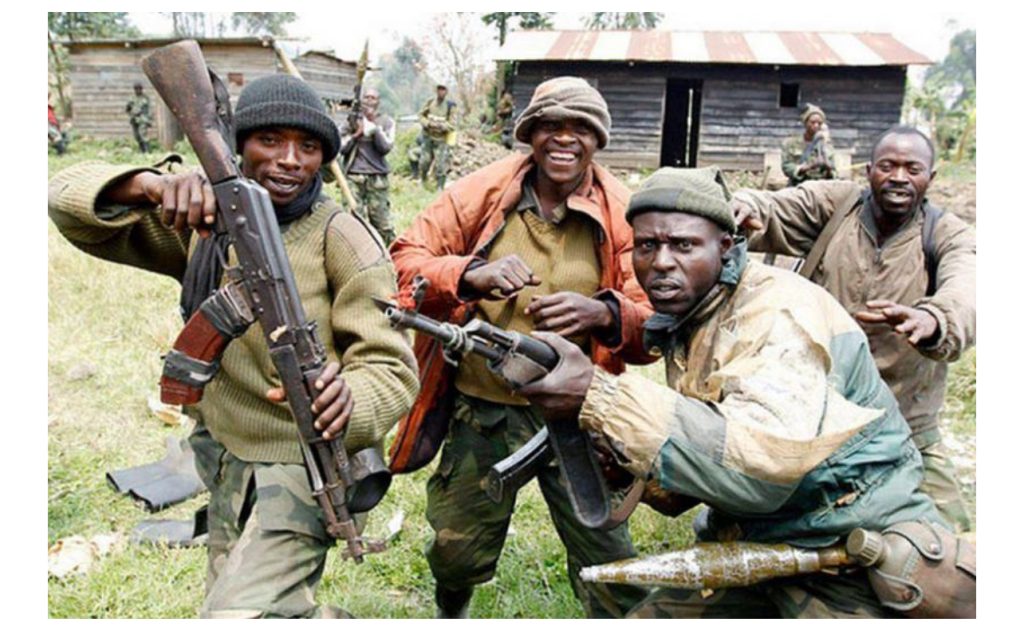
Since late 2023, the number of Burundian troops reportedly deployed in eastern Congo surged beyond 4,000 soldiers, many operating alongside FARDC units, FDLR fighters, and Wazalendo militias.
Witness testimonies and regional reports describe villages razed, civilians summarily executed, women raped, livestock stolen, and entire communities emptied through terror.
In several incidents documented by local observers, civilians were allegedly lined up and shot, homes burned with families trapped inside, and villages attacked with explicit anti-Tutsi rhetoric accompanying the violence.
The massacres attributed to allied forces have been staggering in scale.
Reports referenced the killing of at least 140 civilians in Mweso in February 2024, more than 200 civilians executed in Masisi in April, over 300 civilians reportedly slaughtered in Kitchanga in July, and another 170 civilians allegedly killed during retreat operations later in the year.
While casualty figures in eastern Congo are often difficult to verify independently because of limited access and collapsing state control, the consistency of survivor testimonies, humanitarian alerts, and regional reporting paints a picture of widespread and systematic brutality rather than isolated battlefield abuses.
The Banyamulenge, despite having lived in the highlands of South Kivu for generations, continue to face systematic persecution fuelled by extremist narratives portraying them as foreigners with no legitimate place in Congo.
Entire villages in Minembwe, Masisi, Rutshuru, and surrounding territories have faced repeated attacks by government forces and Burundian troops.
Thousands of cattle, the backbone of Banyamulenge livelihoods and wealth, have been looted or slaughtered. Schools and churches have transformed into displacement centres for civilians fleeing massacres, forced starvation, and targeted ethnic violence.
Humanitarian organisations estimate that hundreds of thousands of civilians across South Kivu have been displaced repeatedly by cycles of attacks involving local militias, foreign fighters, and competing armed coalitions.
In areas such as Kizimba and Minembwe, armed factions linked to the FDLR and Nyatura militias have allegedly burned villages specifically targeting Congolese Tutsi civilians, in attacks many regional observers increasingly describe as organised ethnic cleansing rather than ordinary warfare.
Then came the diplomat who said the quiet part out loud.
Thérence Ntahiraja, Burundi’s Ambassador to Belgium, gave an interview appearing to legitimise the FDLR, the armed Hutu extremist militia formed by remnants of those responsible for the 1994 Genocide against the Tutsi in Rwanda.
Between April and July 1994, approximately one million Tutsis and moderate Hutus were slaughtered in just 100 days, making it one of the fastest and most systematic genocides in modern history.
Many of the genocide’s architects escaped into eastern Congo after the defeat of the genocidal regime, where they reorganised militarily and politically.
Thirty years later, the FDLR remains active.
UN investigations have repeatedly documented the group’s continued operations in eastern Congo, alongside Burundi, including illegal taxation, mineral trafficking, forced recruitment, sexual violence, ethnic targeting, and alliances with other armed factions.
Despite military campaigns against them, the group has survived through cross-border support networks, illicit trade routes, and regional political ambiguities.
Ntahiraja reportedly suggested that these forces could one day return to Rwanda by force of arms.
He made the remarks not from a battlefield, but from Brussels, one of Europe’s principal diplomatic capitals, while serving as an accredited ambassador expected to uphold international law and peaceful diplomacy. But his rhetoric hasn’t been as outrageous, because he mirrors his president back home.
Rwanda’s Foreign Affairs Minister Olivier Nduhungirehe reacted with outrage.
His response reflected not only diplomatic anger but historical trauma rooted in the international community’s catastrophic failure in 1994.
During the genocide, the UN drastically reduced its peacekeeping force while much of the world debated whether the massacres even constituted genocide.
By the time international actors responded seriously, hundreds of thousands were already dead.
That history explains why Rwanda views the FDLR not as a routine insurgency, but as an existential threat carrying unfinished genocidal ideology.
Kigali has consistently argued that any political or military tolerance of FDLR networks constitutes a direct security threat to Rwanda and to Tutsi populations across the region.
On social media and within diplomatic circles, many observers argued that Ntahiraja had simply verbalised what UN experts and regional intelligence assessments have alleged for years: that elements within Burundi’s security establishment maintain operational relationships with armed networks hostile to Rwanda, including factions linked to the FDLR.
Several UN Group of Experts reports have documented patterns of cooperation, rear bases, intelligence sharing, logistical facilitation, and battlefield coordination involving various armed actors in eastern Congo.
The controversy deepened further after reports linked to the Focode programme suggested that the Burundian embassy in Brussels had become a discreet meeting point for individuals allegedly involved in anti-Rwanda organising and subversive political activity.
Civil society activist Pacifique Nininahazwe reportedly identified networks linked to extremist mobilisation, diaspora coordination, and anti-Kigali financing operating around the embassy.
If accurate, such allegations would represent a serious abuse of diplomatic privilege, effectively transforming an embassy into a hub for political destabilisation rather than diplomacy.
Ntahiraja’s subsequent defence only intensified scrutiny. He claimed he was merely engaging individuals connected to opposition activities against Kigali or descendants of convicted génocidaires.
Yet many observers noted that, in attempting to defend himself, he effectively reinforced suspicions surrounding Burundi’s engagement with networks openly hostile to Rwanda.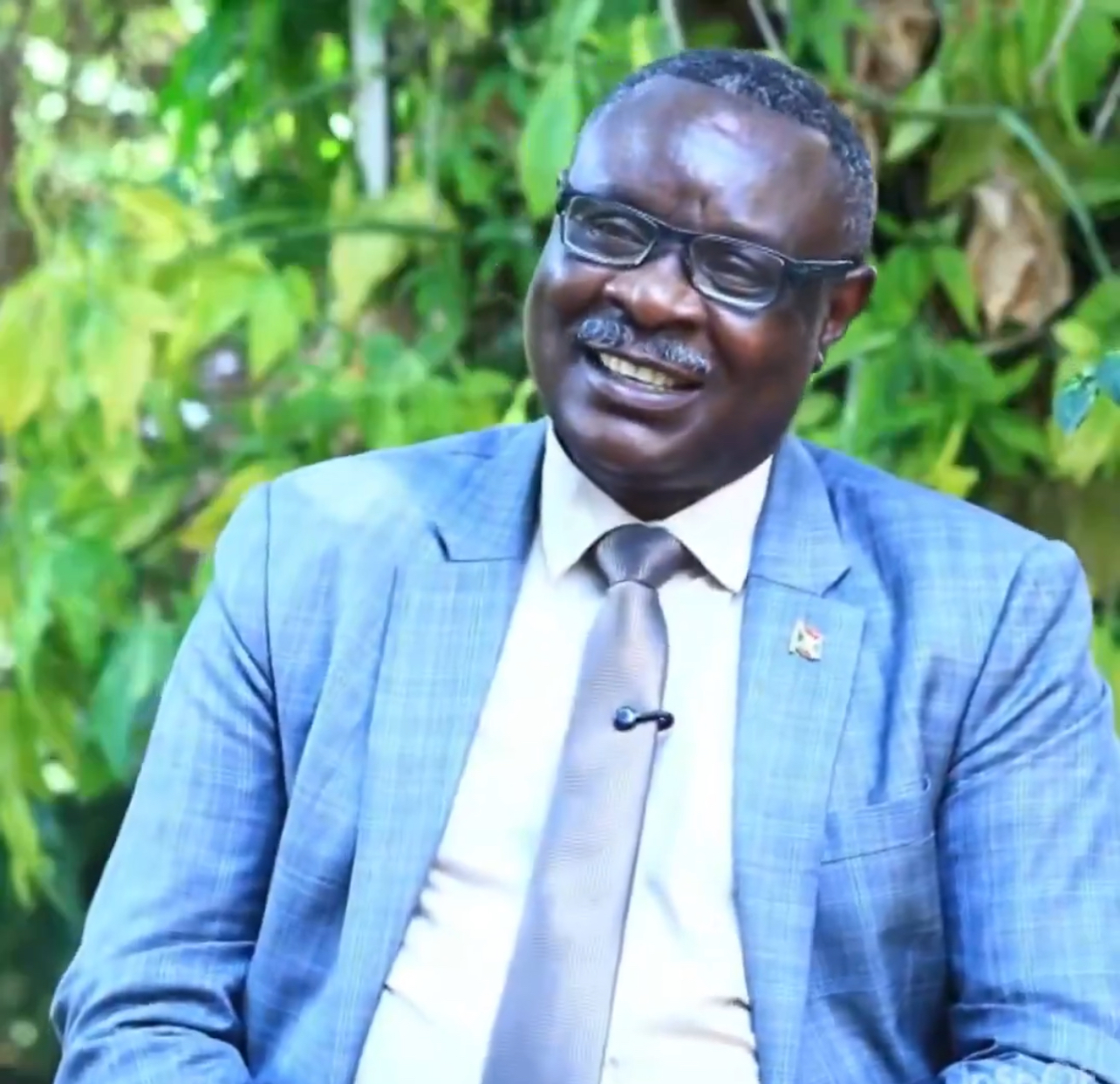
“It was a perfect opportunity for Burundi to dismiss him, denounce him and walk away clean, but fellow politicians came out to to defend him, a clear sign that the rhetoric is official,” Jean Claude Katoto, a political scientist in Bukavu told Kivu Today on Sunday evening.
The wider regional tragedy is staggering. Eastern Congo already hosts one of the deadliest conflicts since World War II.
Since the late 1990s, conflict, disease, starvation, and displacement linked to Congo’s wars have contributed to the deaths of millions of people, directly and indirectly.
Today, the region remains overwhelmed by armed violence, collapsed infrastructure, cholera outbreaks, mass sexual violence, child recruitment, and recurring Ebola epidemics.
Entire provinces remain trapped between insurgencies, collapsing governance, mineral warfare, and foreign military interventions.
Yet amid this humanitarian catastrophe, regional actors continue fuelling ethnic tensions and proxy warfare instead of pursuing durable political solutions.
The tragedy is that ordinary Burundians deserve better than leaders who recycle ethnic paranoia while their citizens battle poverty and hopelessness.
Congolese civilians deserve better than being trapped between militias, foreign interventions, and genocidal ideologies.
And the Great Lakes region deserves better than another generation raised under the shadow of ethnic extremism and endless war.
History has already shown what happens when genocidal rhetoric is tolerated, minimised, or politically exploited in this region.
The warning signs are visible again. The language is becoming familiar again. The alliances are becoming familiar again.
And history remembers not only those who lit the fire, but also those who saw the smoke rising and chose silence.
Related article:
The Untold Story Of Gen Ndayishimiye’s Ruthless Campaign to Exterminate Tutsis in Eastern Congo