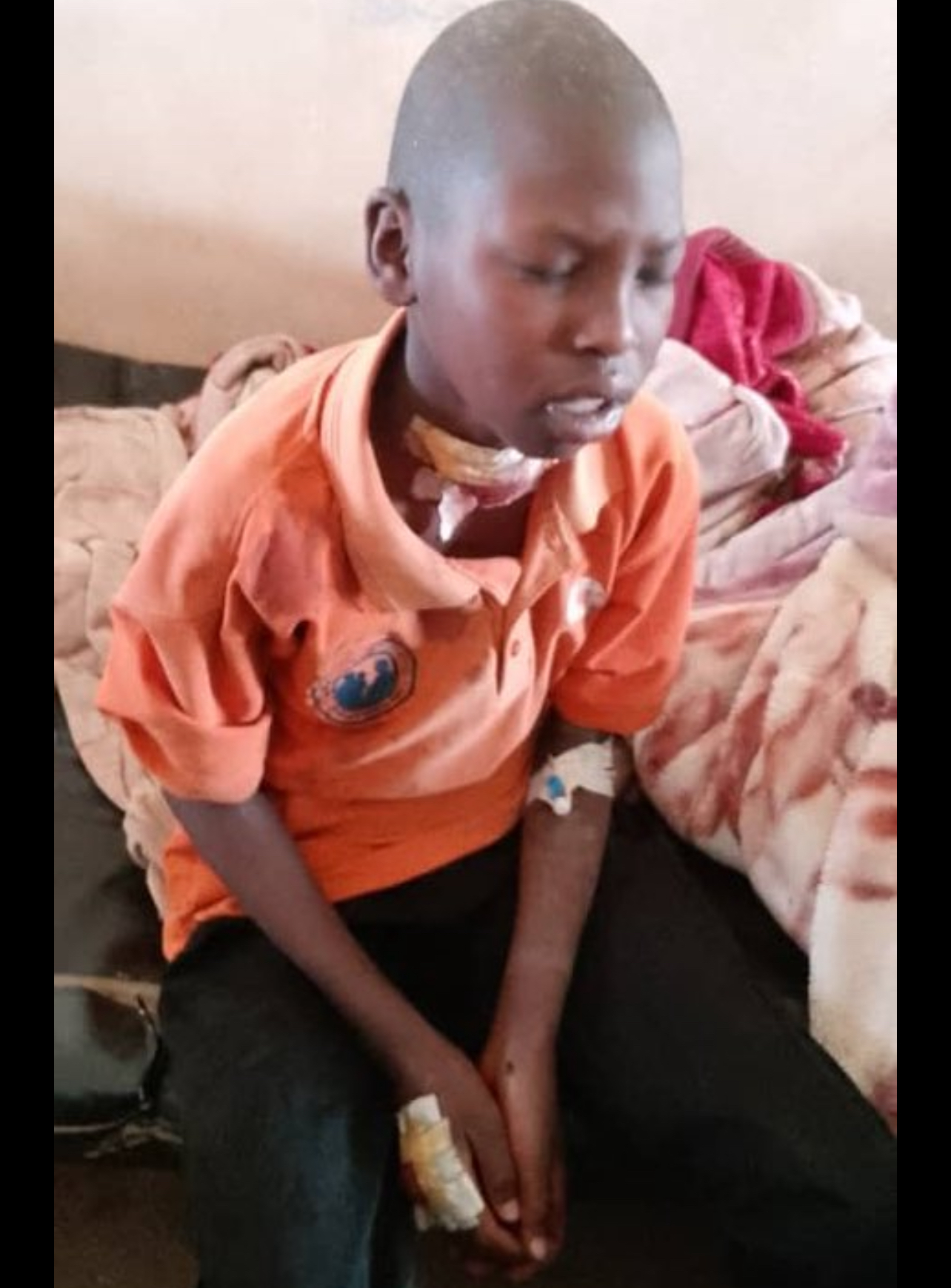
At least two civilians were killed and seven others seriously wounded, among them women and children, when artillery shells struck the densely populated neighbourhoods of Bidegu and Irundu in eastern Democratic Republic of Congo on Sunday, according to a statement issued by the M23 rebel movement.
The M23 alliance said the strikes were carried out by forces loyal to the government in Kinshasa between 3:15 p.m. and 3:50 p.m. local time on June 7, 2026, a 35-minute bombardment the group described as targeting residential areas.
The Congolese government had not issued a public response to the claims at the time of publication.
In its statement, M23 accused the Kinshasa government of pursuing what it called a policy of ethnic cleansing, alleging that the strikes on civilian zones form part of a broader pattern of deliberate violence against non-combatants in the east.
The movement called on the international community to take action, warning that silence would be interpreted as tacit approval of further abuses.
“Silence and inaction in the face of these crimes would only encourage the Kinshasa regime to continue its atrocities and strengthen its policy of ethnic cleansing,” the group said in its communiqué.
The conflict in eastern DRC has drawn repeated condemnation from international human rights bodies, with multiple armed factions, including M23, which has received significant regional support, accused of serious violations over the course of the multi-year conflict.
The situation in North Kivu Province, where clashes have been most intense, has displaced hundreds of thousands of civilians and precipitated a severe humanitarian crisis.
Human rights observers have long documented the impact of indiscriminate shelling on civilian communities in eastern DRC.
When artillery fire falls on densely populated urban areas, the resulting casualties, regardless of the identity of the perpetrating force, constitute potential violations of international humanitarian law, which prohibits attacks that fail to distinguish between combatants and civilians.
The M23 statement did not specify the type of munitions used.
No independent journalists or international monitors had confirmed access to Bidegu or Irundu by early Monday morning to verify casualty figures or assess damage.