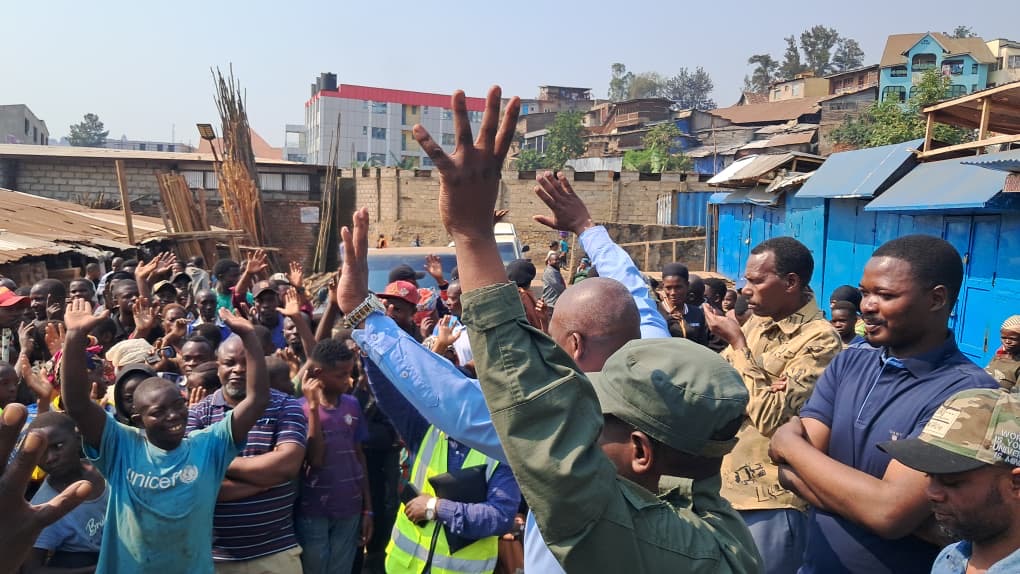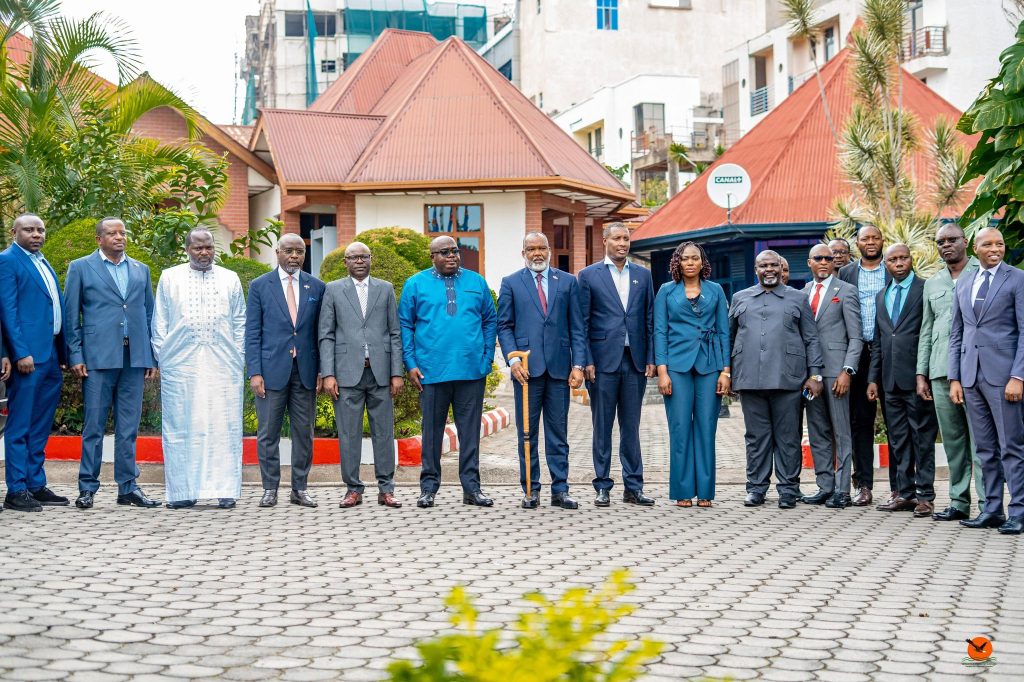
After months of speculation, the M23 rebel movement has openly revealed its ultimate goal: to march on Kinshasa and challenge President Felix Tshisekedi’s leadership. Corneille Nangaa, leader of the Congo River Alliance, clarified what has long been ambiguous about the movement’s intentions.
“Our aim is to go to Kinshasa. We are going to go with our Congolese people. We are Congolese. We don’t benefit anything from Rwanda, and we don’t need it,” Nangaa told CNN. By declaring its plans outright, M23 has drawn clear lines, ending the confusion over whether it intends to establish an independent state in the east or pursue a national campaign.
Nearly 10,000 defectors have already joined the movement, undergoing training and adhering to its doctrine.
Yet questions remain: can M23 mobilize enough resources, military infrastructure, and popular support to sustain a campaign toward Kinshasa? Can it sway parts of the Congolese army to join their cause? Observers note that Tshisekedi’s army is weak and fractured.
Soldiers are poorly trained and equipped, morale is low, and corruption runs deep: generals have allegedly siphoned salaries, leaving troops unpaid for months, while thousands of “ghost soldiers” remain on the payroll. Social benefits for soldiers are almost nonexistent, and the lack of leadership further compounds demoralization.
The humanitarian crisis continues to devastate civilians. In South Kivu, FARDC bombardments and attacks by militias such as Wazalendo claim nearly a dozen lives daily, while homes are burned and communities displaced.
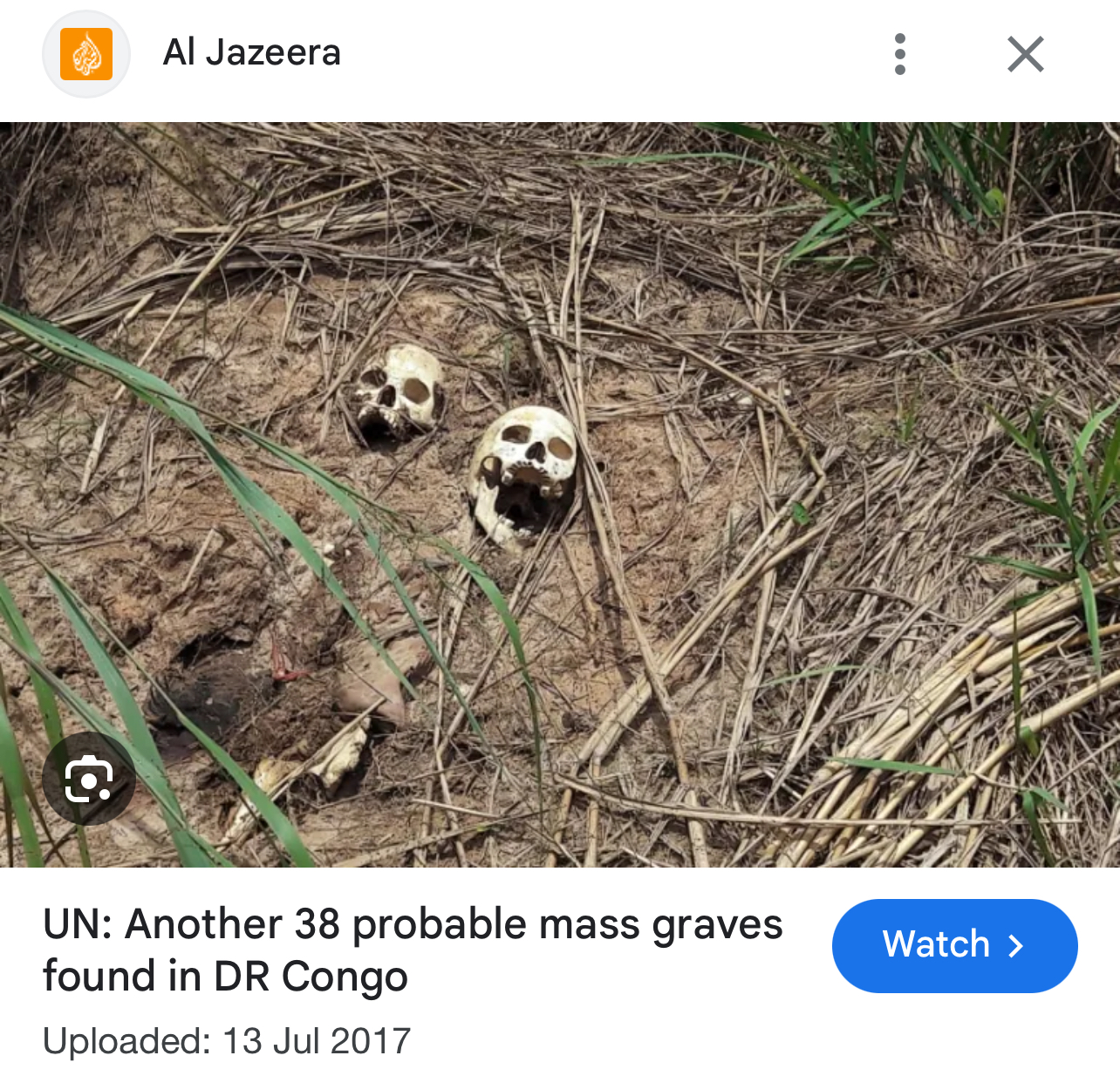
In the North, clashes continue in Walikale, Masisi, and Rutshuru, and in Ituri, the ADF insurgency has killed hundreds this year alone. Families flee, livelihoods are disrupted, and essential services remain inadequate.
Yet M23’s control of Goma, Bukavu, and surrounding territories paints a different picture. In areas they now administer, the rebels have implemented governance structures that rival the state. Roads have been repaired, schools and hospitals rehabilitated, and access to water, electricity, and financial services improved.
They operate justice systems, and their leadership is arguably more consistent than that of the DRC government. Civilians note a degree of security and predictability previously absent under state forces.
The situation is further complicated by the presence of MONUSCO, the United Nations peacekeeping force in eastern DRC. In an unprecedented scenario, M23 operates effectively in zones occupied by the UN.
Civilians describe an ironic reality: the rebels appear to command respect from MONUSCO forces, providing them security as they consolidate their authority.
This coordination—while highly unusual—has allowed M23 to maintain order in territories under their control, further enhancing their legitimacy in the eyes of local populations.
Politically, Nangaa positions M23 as a national movement responding to systemic failures. He rejects claims that the group is backed by Rwanda, framing its campaign as a unifying effort to address the country’s crises.
The eastern DRC has long suffered from ethnic tensions and marginalization; Nangaa leverages his geographic origin to present the movement as a solution to long-standing grievances.
Meanwhile, Tshisekedi faces political instability, corruption, and defections from key figures, leaving his credibility eroded both domestically and internationally. Only a few countries—Belgium, Burundi, South Africa—continue to support him, but even they are aware of the leadership vacuum.
For civilians, M23’s presence elicits complex reactions. Twenty-five-year-old Muhawenimana Rachel, who fled South Kivu with her four children, returned cautiously to Goma.
“I’m happy to be back home, even though I’m coming back to a place I don’t even know,” she said, reflecting the ambivalence many feel: relief at improved security and services, but anxiety over the movement’s broader ambitions.
The road to Kinshasa, should M23 pursue it, is fraught with risk. The capital lies over 1,500 kilometers from Goma, and any campaign would require sustained logistics, intelligence, and support from other territories.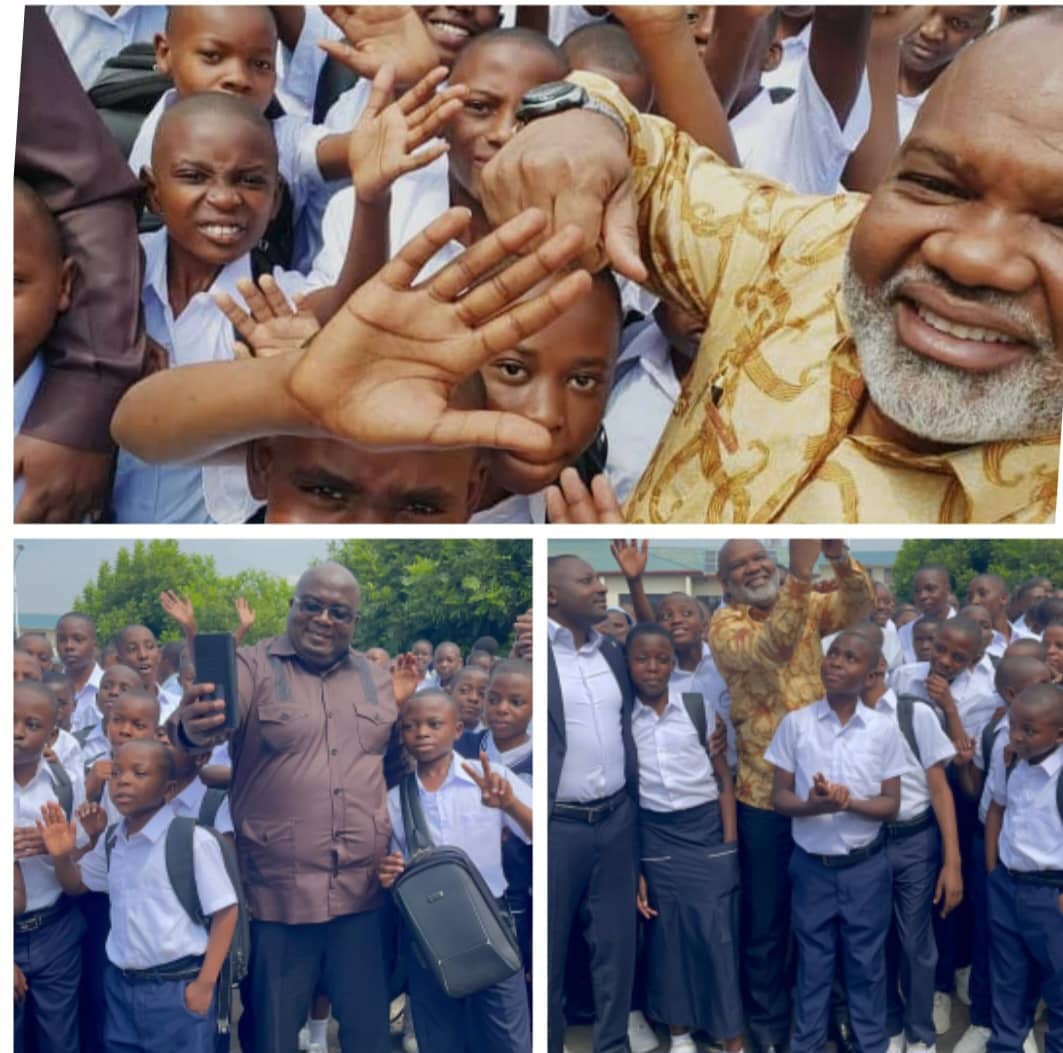
Allegations of human rights abuses persist, and international skepticism remains high. Yet the rebels’ blueprint for governance, their apparent ability to command UN peacekeepers’ respect, and their ability to mobilize thousands of fighters demonstrate a level of organization and legitimacy rarely seen in recent memory.
Eastern DRC stands at a crossroads. Nangaa’s declaration, the movement’s demonstrated governance capabilities, and the government’s weakness highlight both the fragility and potential for transformation in the country.
For ordinary Congolese—shopkeepers, teachers, farmers, and displaced families—the unfolding situation represents both hope and uncertainty.
The future of the DRC may hinge on whether M23 can translate local authority into national credibility, or whether the looming confrontation with Kinshasa will plunge the country into further turmoil.