

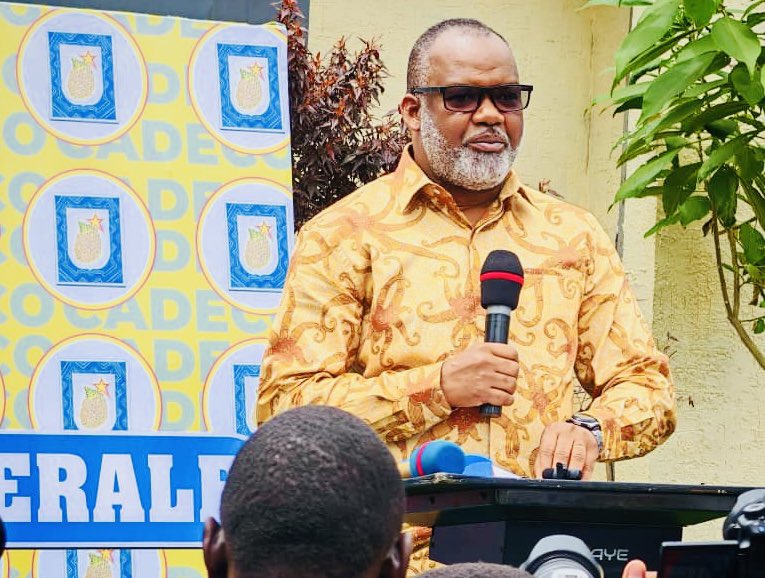
Today in GOMA, Corneille Nangaa, coordinator of the Alliance Fleuve Congo (AFC) and political figure within the M23 movement, denounced what he called an “economic war” waged by President Félix Tshisekedi against civilians in North and South Kivu.
“The money held by the commercial banks does not belong to bankers or to the Congolese state,” Nangaa said. “It belongs to the savers—economic operators, civil servants, investors, and the Congolese people. Mr. Tshisekedi must stop acting as if it is his to withhold.”
Speaking during the reopening of CADECO (Caisse Générale d’Épargne du Congo) in Goma, Nangaa accused Kinshasa of deliberately ordering the closure of all banks in territories now under AFC/M23 control, and forcing bank managers to leave the region—allegedly to punish the population of the so-called “liberated provinces.”
According to Nangaa, this decision has created a liquidity crisis that has rendered ATMs non-functional and forced residents to turn to informal, high-cost money channels just to access basic funds.
“By dismantling formal financial flows, this regime has paralyzed local commerce,” he added. “Shops and businesses cannot operate normally, and economic recovery is being strangled by design.”
He also pointed to rising concerns about capital flight, with many residents now crossing into neighboring countries to withdraw money—a trend he says could further destabilize the local economy.
“This economic delinquency by Mr. Tshisekedi is not only unconstitutional and illegal, it amounts to crimes against humanity,” Nangaa said.
“Yet the silence of the international community and human rights bodies on this crisis is both shocking and shameful.”
Neither the Congolese central government nor the commercial banks have publicly addressed the claims.
Kinshasa continues to label the M23 as a terrorist organization and accuses it of undermining national sovereignty.
As tensions persist, residents in the Kivu region remain caught between conflict and financial paralysis, with the future of basic services and economic life uncertain. 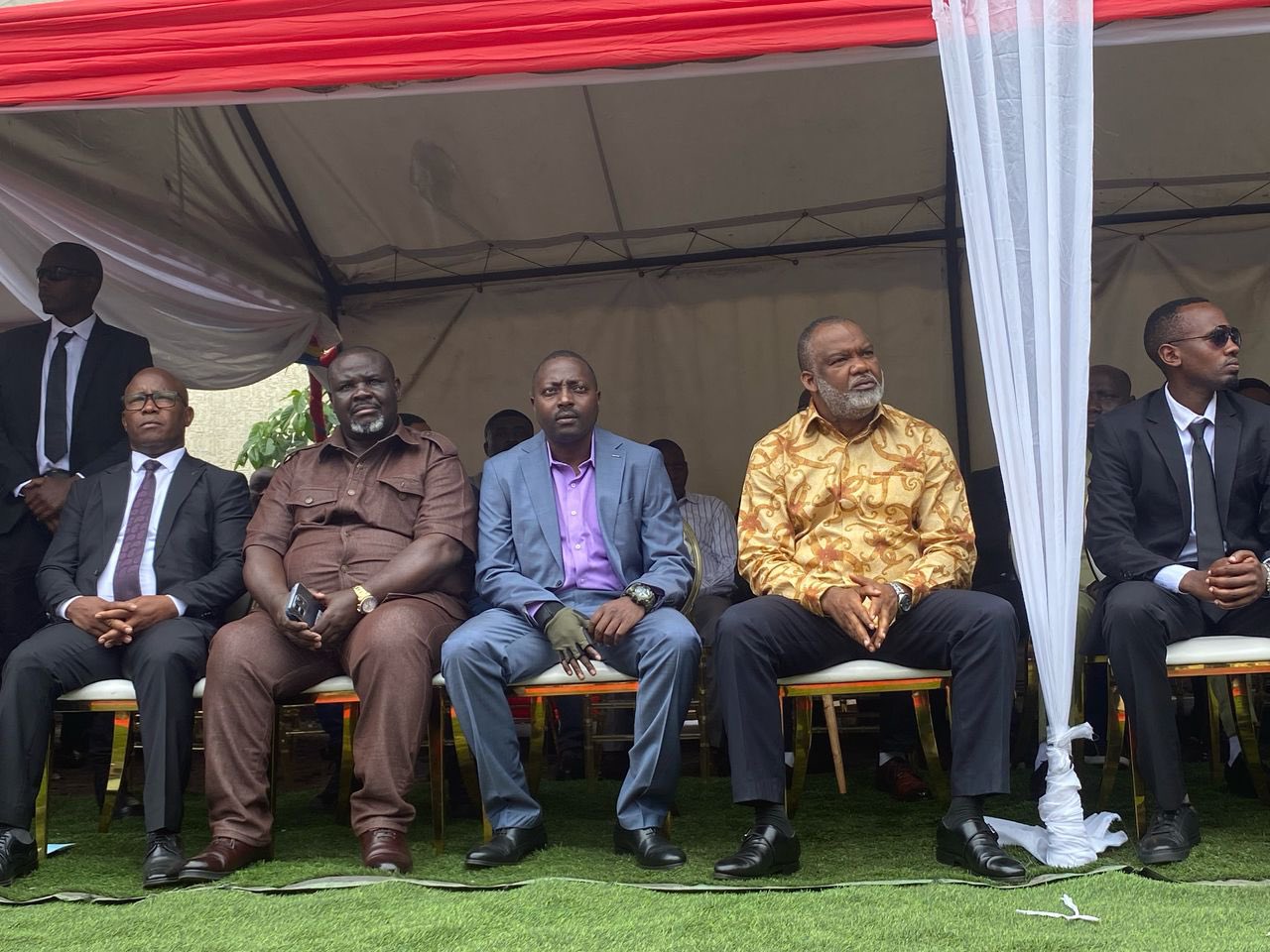
Very good https://short-url.org/10VGf
Awesome https://t.ly/tndaA
Good https://t.ly/tndaA