

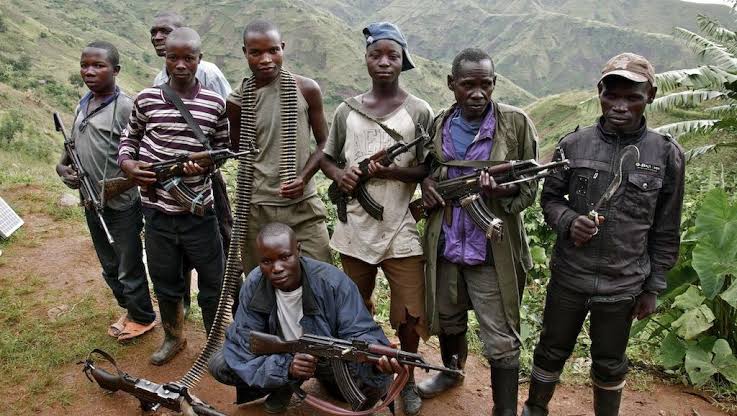
For years, analysts have debated one question about the Democratic Forces for the Liberation of Rwanda (FDLR): how has a rebel movement that emerged in the aftermath of the 1994 Genocide against the Tutsi managed to survive in eastern Democratic Republic of Congo for more than three decades despite repeated military offensives and international sanctions?
Retired Colonel Augustin Nshimiyimana, better known as “Bora,” believes the answer lies in money.
Testifying yesterday, the former FDLR intelligence chief described what he said was a sophisticated financial network that allowed the group to generate income from virtually every economic activity in territories under its control, from mining and logging to charcoal, cannabis and wildlife trafficking.
According to Nshimiyimana, the FDLR’s most dependable source of revenue came from mining.
He said the group controlled an area known as Oninga, where more than 30,000 miners worked under its authority. Every miner paid a monthly tax of US$0.50, but the financial control extended much further.
“The miners also had to buy their food from FDLR positions,” he testified. “They paid with minerals instead of cash, and if they found gold, they could only sell it to the FDLR.”
The arrangement, he said, effectively gave the militia complete control over both mineral production and local trade.
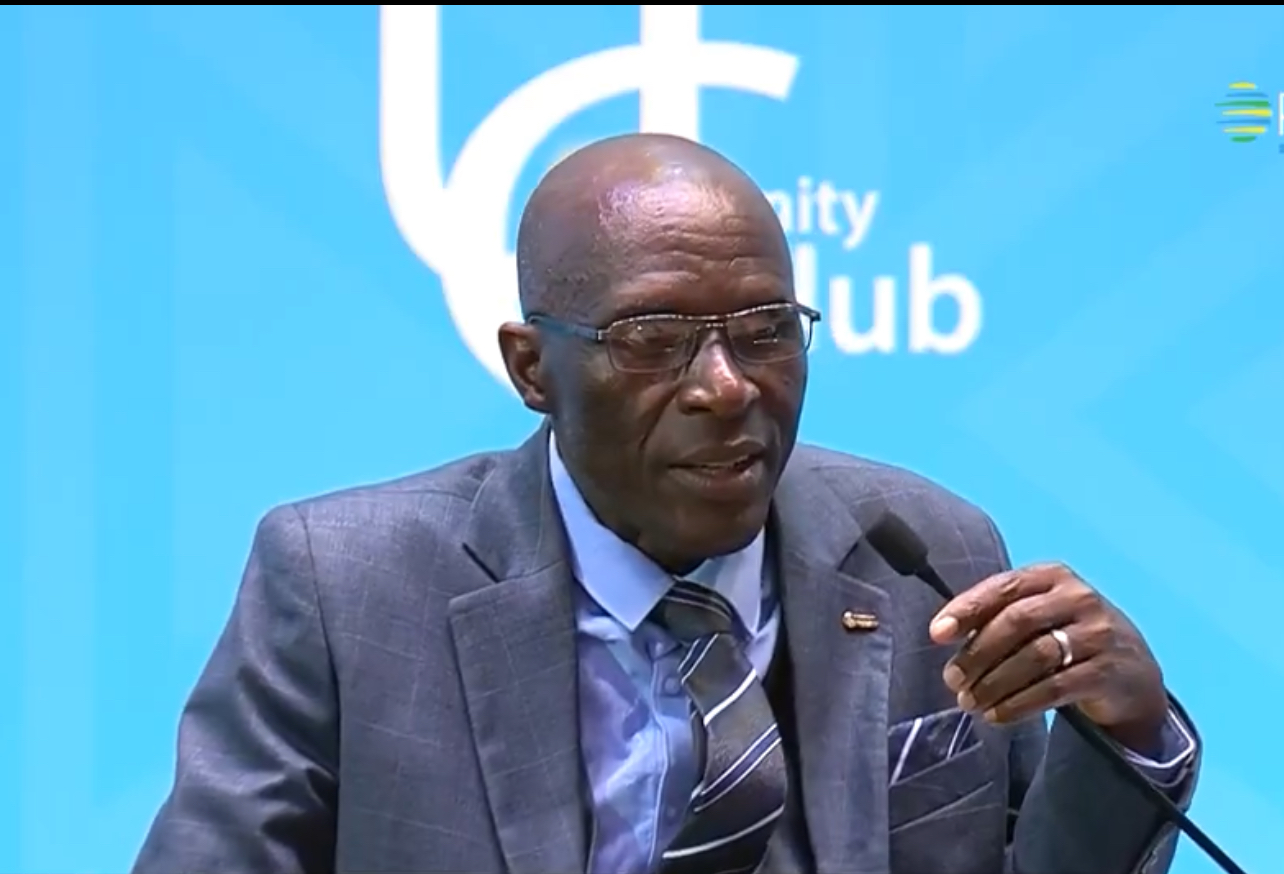
Beyond mining, Nshimiyimana said the forests of eastern Congo became another pillar of the group’s economy.
He described how valuable hardwoods, including African mahogany and red hardwood, were cut, loaded onto trucks and transported to markets in Uganda, Goma and Bukavu. Charcoal production generated additional revenue, with transporters required to pay taxes before leaving FDLR-controlled areas.
“Goma consumed enormous quantities of charcoal,” he said. “Much of it came from territories under our control.”
Nshimiyimana also claimed cannabis cultivation had become an organised commercial enterprise.
According to his testimony, Ikobo had become almost entirely dependent on cannabis production, with shipments transported to Goma, Kisangani and other destinations.
He went on to make some of his most serious allegations, claiming the FDLR maintained commercial relationships with MONUSCO.
According to his account, the UN peacekeeping mission purchased cannabis, minerals, elephant tusks and other products from the militia while also providing food, medicine and other supplies through those transactions.
He further alleged that teams excavating colonial-era boundary markers, locally known as “borne”, entered FDLR-controlled territory after delivering food, medicine, money and ammunition to the armed group before carrying out their work.
The retired officer also claimed the FDLR received direct logistical support from the Congolese government.
“Tshisekedi paid them just as he paid the FARDC,” he testified. “They received salaries, food and medicine.”
He also alleged that European sources contributed financial assistance to the group, although he did not identify specific governments, organisations or individuals.
Wildlife trafficking, he added, represented another source of revenue.
Nshimiyimana alleged that elephants were killed for ivory, lions for their fat and hippos for meat, which was dried before being transported to markets in Bukavu, Goma and Kanyabayonga.
He said buyers from Chad regularly sought lion fat because of its high value, adding that he was not referring to Muslims in Rwanda when discussing those customers.
Summing up his testimony, Nshimiyimana argued that the FDLR’s financial strength has often been underestimated because attention has focused primarily on its military activities.
“People think of the FDLR only as an armed group,” he said. “But it had many different sources of income. When combined, they generated a great deal of money.”
The FDLR was founded in 2000 by remnants of the former Rwandan army and Interahamwe militia responsible for the 1994 Genocide against the Tutsi in Rwanda.
The group has since established bases in eastern Democratic Republic of Congo, where UN experts and numerous international reports have repeatedly linked it to the illegal exploitation of natural resources, illicit taxation, violence against civilians and cross-border insecurity.
The group’s continued access to revenue has long been regarded by security experts as one of the principal reasons it has remained operational despite years of military campaigns by Congolese forces, regional armies and successive UN peacekeeping missions.
Cutting off those financial lifelines has consistently featured in regional and international strategies aimed at dismantling the organisation.
Nshimiyimana’s testimony adds an insider’s perspective to longstanding concerns over how armed groups in eastern Congo sustain themselves financially.
However, his allegations involving MONUSCO, the government of the Democratic Republic of Congo and foreign actors have not been independently verified. MONUSCO has previously denied accusations of collaborating with armed groups, while Kinshasa has consistently rejected allegations of supporting the FDLR.