

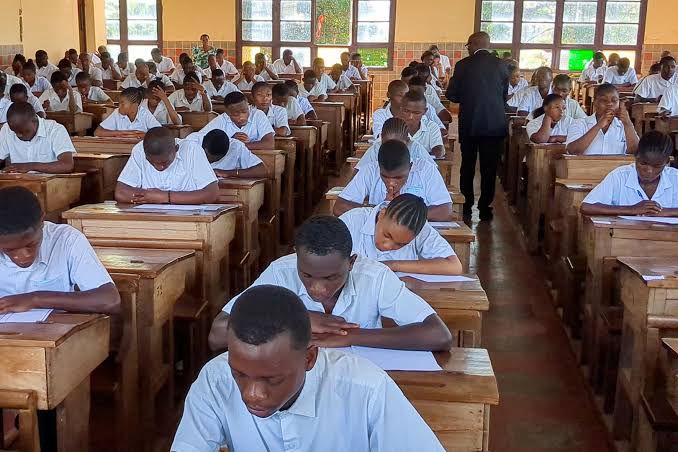
Rwanda has temporarily opened its border to facilitate the movement of Congolese students seeking to sit the 2026 State Examination (Exetat) in South Kivu, offering a critical lifeline to candidates affected by the ongoing conflict and movement restrictions in eastern Democratic Republic of Congo.
The special arrangement enabled finalist students who were on the Rwandan side of the border to cross into Bukavu and other examination centers in areas controlled by AFC/M23. Authorities said the border opening was specifically intended to ensure that no student would miss the crucial national examinations because of travel restrictions.
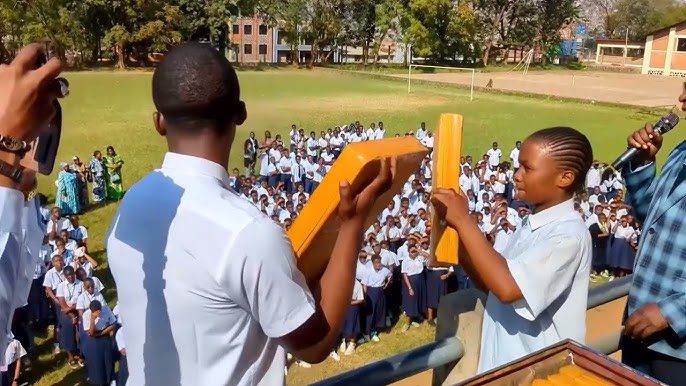
“As you know, our borders are currently closed, but we have made a special exception for all finalist students who were on the other side so they can cross and take their exams,” said Patrick Busu Bwa Ngwi, an AFC/M23 representative. “The border has been specially opened for them, and after completing their examinations, they will be able to return without any problems.”
The move came as examination papers successfully arrived from Kinshasa to Bukavu without incident. Transported with logistical support from UNICEF, the examination materials were officially distributed to schools across the region, allowing candidates to begin the nationwide tests on schedule despite the difficult security environment.
More than 42,000 students are sitting for the examination in the South Kivu 1 education district. According to education authorities, a total of 42,214 candidates have registered for the 2026 Exetat.
However, the figures also reveal the significant impact of the conflict on education. The district recorded a dropout rate of nearly 9 percent compared to initial enrollment figures. Across the entire province of South Kivu, education officials estimate that about 30 percent of eligible students will not sit for the national examination this year, largely due to insecurity, displacement, and other disruptions linked to the conflict.
Despite these challenges, education authorities have welcomed a major breakthrough in girls’ education. Female candidates account for 52 percent of all registered students, reflecting years of efforts by education officials and development partners to improve girls’ access to schooling.
“This is progress, progress that did not exist before,” said Jean-Pierre Mwenyesi, Principal Inspector for South Kivu 1. “We and our partners made considerable efforts to ensure that all girls go to school. The results are now beginning to show.”
Students completed the first day of examinations dedicated to general knowledge, with science subjects scheduled for Tuesday, specialized option courses on Wednesday, and French and English language examinations on Thursday.
Many candidates expressed confidence after finishing the opening paper.
“For me, the exam was easy because the questions I studied were the ones that appeared in the test,” said candidate Christina Raïssa Loraine. “That made the examination much easier.”
Another student, Baraka Mudekereza, said some questions were challenging but manageable for those who had prepared adequately.
“The questions were a little difficult, but for those who study hard and review their notes, it is really manageable,” he said.
Provincial education authorities also highlighted the diversity of this year’s candidates. While two candidates are younger than 16 years old, the oldest candidate sitting the examination is a 52-year-old self-taught learner, demonstrating the determination of Congolese citizens to pursue education regardless of age.
The successful start of the 2026 State Examination in South Kivu is being viewed as a powerful symbol of resilience, with students, teachers, education authorities, humanitarian organizations, and regional actors working together to ensure that learning continues despite the challenges facing eastern Democratic Republic of Congo.