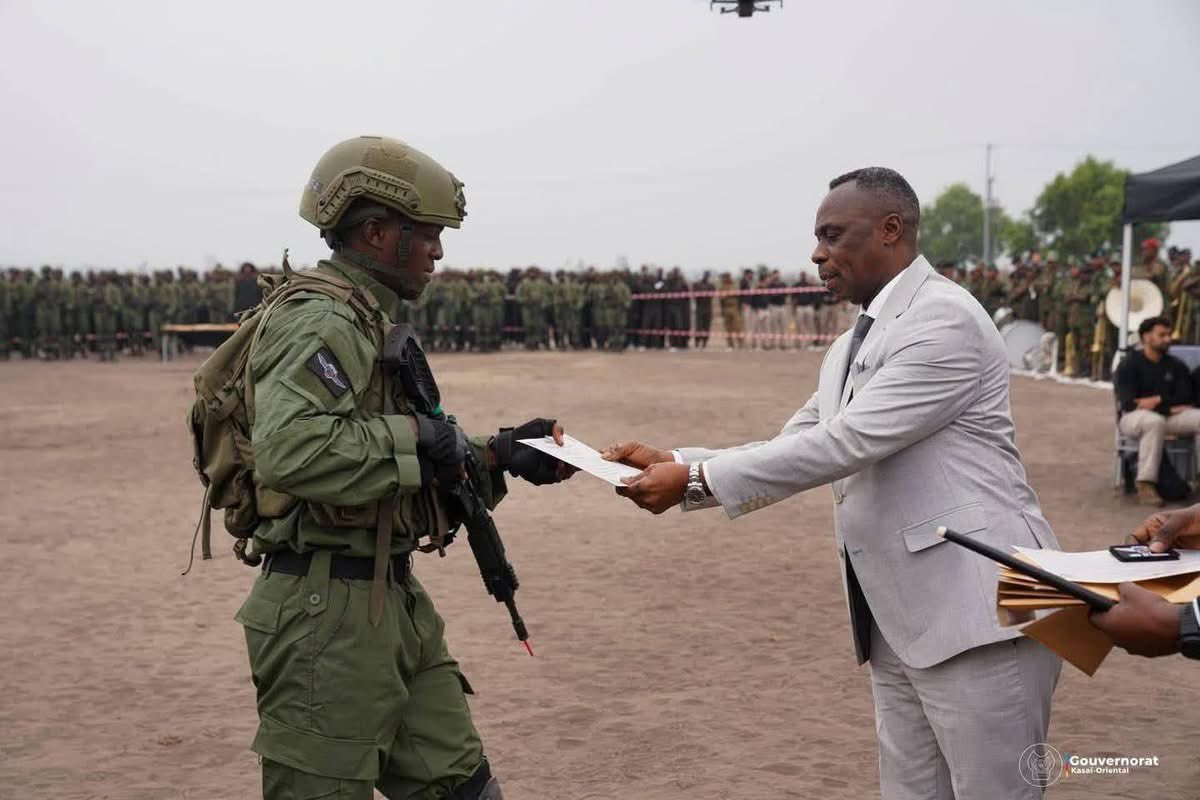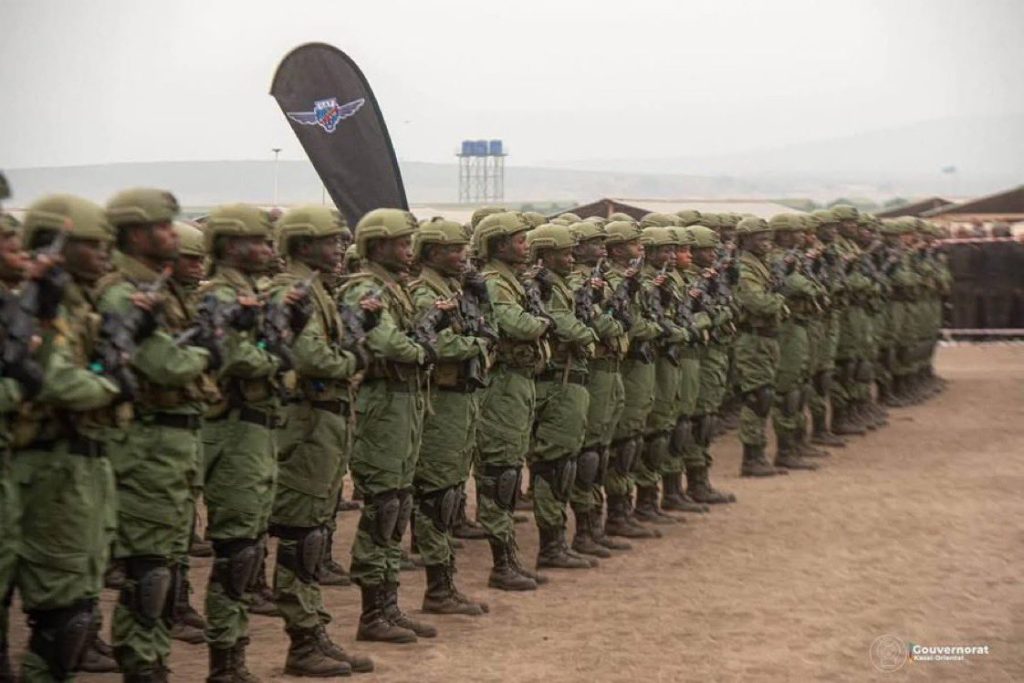
The Armed Forces of the Democratic Republic of Congo (FARDC) have announced the graduation of the first cohort of their newly established Special Unit, describing it as a milestone in efforts to strengthen the country’s military capabilities amid persistent security challenges in the eastern provinces.
According to the FARDC, the soldiers completed an intensive and specialized training program aimed at preparing them for complex defense and national security operations.
Military authorities said the course focused on enhancing operational readiness, tactical proficiency, and the ability to respond rapidly to threats against the country’s sovereignty.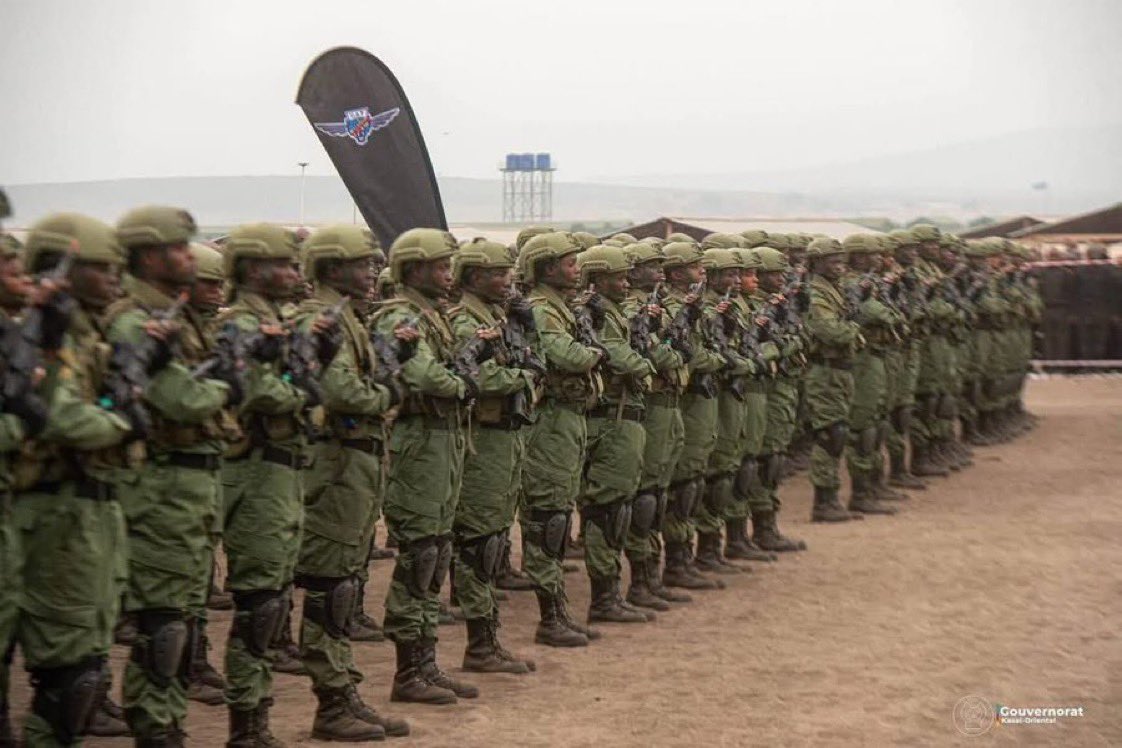
The newly trained personnel have now been declared fully operational and are expected to be deployed in support of efforts to defend the Democratic Republic of Congo’s territorial integrity.
The graduation comes at a time when Kinshasa is seeking to modernize sections of its armed forces while confronting multiple armed groups operating across the eastern part of the country.
The government has in recent years invested in specialized military training and force restructuring as part of broader security sector reforms aimed at improving the effectiveness and professionalism of the FARDC.
Although the military did not disclose the size of the graduating class or the specific missions the unit will undertake, officials said the force is expected to play a strategic role in future operations requiring highly trained personnel.
The establishment of the Special Unit reflects the Congolese government’s continued emphasis on strengthening national defense capabilities as security challenges persist in parts of North Kivu, South Kivu, Ituri, and other conflict-affected regions.
Military leaders expressed confidence that the newly qualified soldiers will contribute to protecting the country’s sovereignty and supporting ongoing efforts to restore stability in affected areas.