

 A disturbing video circulating from the Democratic Republic of Congo has triggered fresh concerns over extreme violence and the growing dehumanisation of communities caught in the conflict in the country’s east.
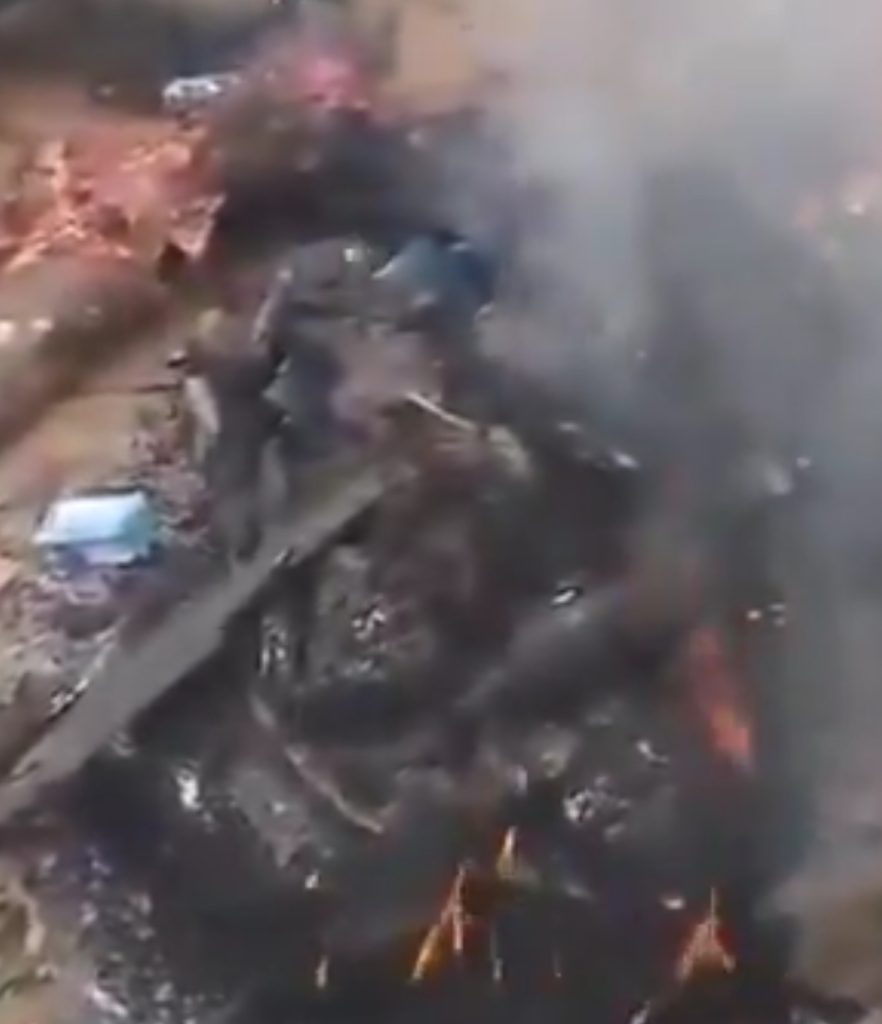
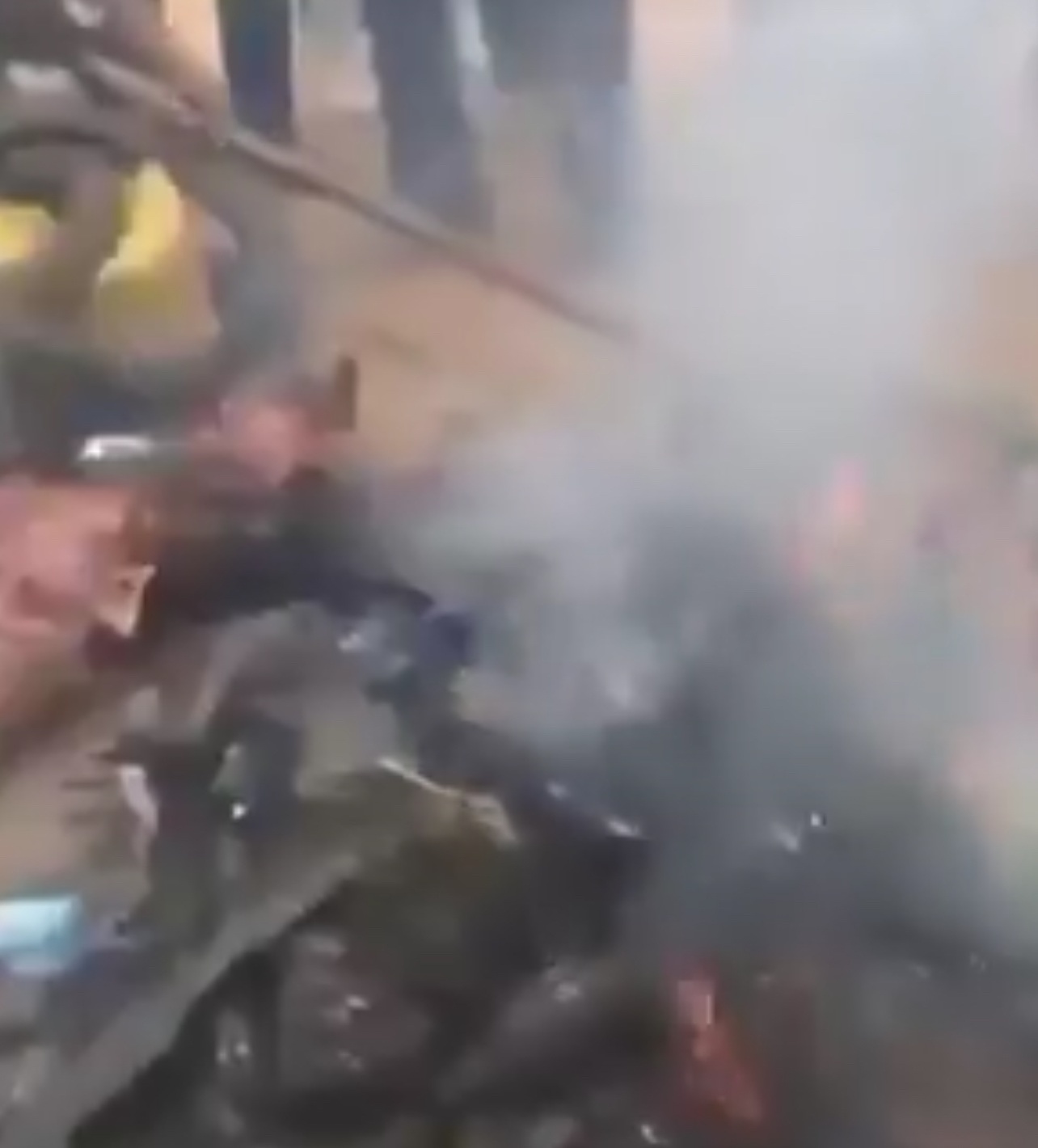
The graphic footage, reviewed by Kivu Today, appears to show armed men standing around what appear to be human remains being burned and prepared for consumption. Claims accompanying the footage identify the perpetrators as members of Wazalendo armed groups allied with the Congolese army, FARDC.
Kivu Today has not independently established when and where the footage was recorded, the identities of the victims or perpetrators, or verified claims that the victims were Congolese Tutsis. Those details require independent investigation.
However, those circulating the footage allege that the victims were targeted because they were perceived to be Tutsi or associated with Kinyarwanda-speaking communities. They further accuse Wazalendo fighters of filming such acts themselves and distributing the footage.
President Félix Tshisekedi’s government has repeatedly rejected accusations that it sponsors ethnic persecution or pursues a policy targeting Congolese Tutsis and Kinyarwanda-speaking communities. Kinshasa has also disputed accusations surrounding its relationships with armed groups and maintains that its military operations are directed against rebellion rather than ethnic communities.
Yet allegations and disturbing evidence of abuses continue to surface from eastern Congo, including videos, testimonies and reports concerning hate speech, ethnic targeting and violence attributed to armed actors operating alongside government forces. The latest footage intensifies demands for independent investigations capable of establishing exactly what happened and who was responsible.
If independently authenticated, the footage would add to longstanding concerns about dehumanising rhetoric, ethnic incitement and atrocities committed by armed groups during the conflict in eastern DRC.
Wazalendo is a broad collection of armed groups supporting Kinshasa against the AFC-M23 rebellion, and some of these groups have fought alongside FARDC forces. Rwanda and AFC-M23 have repeatedly accused the Congolese government of cooperating with the FDLR, an armed group founded partly by individuals linked to the 1994 Genocide against the Tutsi in Rwanda.
The allegations surrounding the latest footage are particularly serious because cannibalism and the public desecration of victims have previously surfaced during Congo’s decades of conflict, sometimes as instruments of terror and humiliation.
The circulation of such imagery also raises a wider concern: the progressive stripping of targeted communities of their humanity. Congolese Tutsis and other Kinyarwanda-speaking communities have repeatedly complained of being portrayed as foreigners despite generations of presence and citizenship in Congo.
That rhetoric has become one of the most dangerous dimensions of the current conflict.
During the 1994 Genocide against the Tutsi in Rwanda, extremist propaganda systematically portrayed Tutsis as less than human before and during the massacres. The historical parallel does not by itself establish that genocide is occurring in Congo, but it underscores why systematic dehumanisation, ethnic stereotyping and collective blame should never be dismissed.
The allegations contained in the latest footage therefore demand more than outrage on social media. They require independent authentication of the video, identification of the victims and perpetrators, and investigation by Congolese authorities and competent international human rights mechanisms.
Responsibility for any atrocity must ultimately be established through evidence rather than solely through the identity or affiliation attributed to people appearing in a video.
But repeated allegations of ethnically motivated violence cannot simply be ignored. As eastern Congo’s war continues, claims that civilians are being targeted because of their perceived ethnicity or language require urgent and credible investigation before dehumanising rhetoric contributes to still greater violence.