

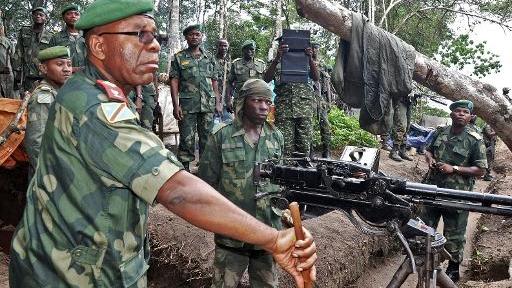
Efforts to eliminate the FDLR from eastern Democratic Republic of Congo will not succeed unless the group is fully separated from the Congolese military structures that Rwanda says continue to support it, Rwanda Government Spokesperson Yolande Makolo has said.
Speaking on Royal FM, Makolo said Rwanda’s position is based on what it describes as continued monitoring and intelligence gathering on the activities of the FDLR, a militia that Kigali accuses of being linked to the 1994 Genocide against the Tutsi and of contributing to instability in eastern DRC.
She said Rwanda has not seen evidence that the FDLR has been dismantled or separated from the Congolese armed forces, despite ongoing regional and international efforts to address armed groups operating in eastern DRC.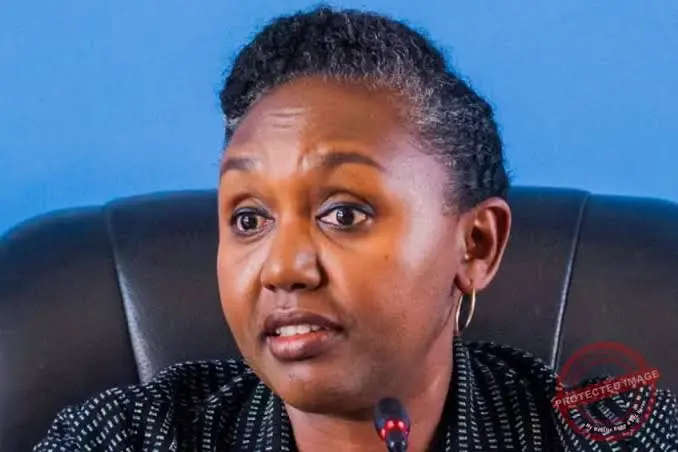
“We know that there hasn’t been any separation of the FDLR from the Congolese armed forces. They are still embedded in the Congolese army,” Makolo said.
According to Makolo, the FDLR has remained active in eastern DRC for decades, particularly in areas around the Virunga region, where it has maintained networks and the ability to move between locations.
She alleged that the group continues to benefit from support, including financial and political backing, from elements within the Congolese army and continues to fight alongside government forces.
“We know that they continue to receive financial support, political cover and all other kinds of support from the DRC army, including fighting alongside them on the front lines,” she said.
Makolo further claimed that the FDLR plays a role in coordinating other armed groups involved in the conflict, adding another layer of complexity to efforts aimed at restoring stability in eastern DRC.
“We also know that they have command and control over other militias in the DRC that are involved in the conflict, so we haven’t seen this stop yet,” she said.
Her remarks come as regional initiatives continue to focus on addressing armed groups and restoring peace in eastern DRC, where decades of conflict have involved multiple local and foreign armed movements.
Makolo said any genuine process to neutralise the FDLR must include a clear separation of the militia from state security structures and a mechanism to deal with its members based on their individual circumstances.
She said Rwanda is prepared to receive FDLR members who return through voluntary repatriation or international channels, including through MONUSCO.
She pointed to Rwanda’s Demobilisation and Reintegration Commission and the Mutobo centre as examples of existing capacity to receive and support former combatants.
Makolo said individuals suspected of serious crimes would be prosecuted, while those without criminal cases, including family members and others who were drawn into the movement, would be supported to reintegrate into society.
She said Rwanda’s previous reintegration programmes have enabled many former combatants to return to civilian life and contribute to their communities and the economy.
“These are the Rwandans that are out there on our hills and they’re working the land, they’re doing various kinds of jobs, they’re contributing to the economy. This is what we want,” she said.